Battery Powered vs. Electric Floor Cleaning Machines
When it comes to maintaining clean floors in any facility, choosing the right equipment is not just a matter of convenience but a critical factor in enhancing efficiency and productivity. In this article, we compare two main types of floor cleaning machines: battery-powered and electric (corded) units. Each type offers unique benefits and drawbacks that can significantly impact your cleaning operations. Understanding these differences will help you make an informed decision that aligns with your specific needs, ensuring that your cleaning process is as effective and efficient as possible.
Overview of Floor Cleaning Machines
Types of Floor Cleaning Machines
Floor cleaning equipment is essential for maintaining cleanliness in various environments, from small retail spaces to large industrial facilities. Among the different types, battery powered and electric (corded) floor cleaners are the most common. However, other options like propane, diesel, and gasoline-powered machines are also available, catering to specific needs where electricity may not be readily available or practical.
Key Features and Functionality
Floor scrubbers and buffers are designed to tackle dirt and debris on various flooring types, making them indispensable tools in many cleaning arsenals. These machines typically include rotating brushes or pads, water dispensers for cleaning solutions, and squeegees to collect dirty water. The basic operation involves dispensing the cleaning solution, scrubbing the floor to loosen dirt, and then vacuuming up the dirty solution, leaving the floor clean and dry.
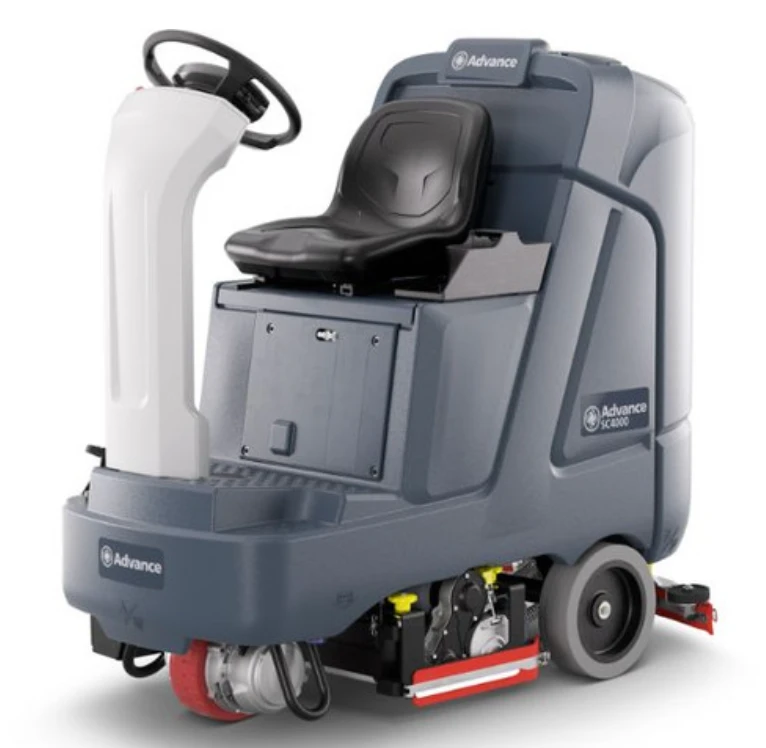
Battery-powered machines, such as battery powered floor scrubbers, offer the convenience of cordless operation, enabling you to clean without the limitation of being tethered to an outlet. On the other hand, electric floor cleaners need to be plugged in, providing continuous power but restricting movement due to cord length.
As you consider which floor cleaning equipment to invest in, remember that the choice between battery power and a direct electrical connection can significantly influence your cleaning routine's flexibility and efficiency.
Battery Powered Floor Cleaning Machines

Advantages
Mobility and FlexibilityOne of the most significant advantages of battery-powered floor cleaning machines is their mobility. Without the encumbrance of power cords, these machines offer the flexibility to clean large areas unrestrictedly. This feature is particularly beneficial in environments with limited access to power outlets or where a cord could hinder movement, such as in large commercial spaces or intricate floor layouts.
Increased ProductivityBattery-powered machines enhance productivity by eliminating the time spent managing and relocating power cords. This allows for a smoother, uninterrupted cleaning process, reducing downtime and boosting the efficiency of your cleaning staff. With rechargeable batteries, especially advanced lithium ion batteries, these machines can operate for several hours on a single charge, ensuring thorough cleaning with fewer interruptions.
VersatilityThe cordless nature of battery-powered equipment, often referred to as cordless cleaning equipment, makes it easier to maneuver around obstacles and into tight spaces that might otherwise be inaccessible with a corded machine. This versatility makes them suitable for a variety of surfaces and locations, from narrow office corridors to expansive retail floors.
Disadvantages
Battery Life and MaintenanceWhile the freedom of a battery powered machine is advantageous, it comes with the caveat of limited run time. The duration for which these machines can operate before requiring a recharge depends on the battery type and usage intensity. Regular charging is necessary, and as batteries age, their efficiency can decrease, potentially leading to decreased performance and more frequent replacements.
Higher Initial CostGenerally, the initial investment for battery-powered floor cleaning machines is higher than their electric counterparts. This is due to the cost of the batteries themselves, particularly if opting for lithium ion batteries, which, while efficient, are more expensive. Additionally, the maintenance and eventual replacement of batteries add to the overall cost of ownership.
Potential for Reduced PerformanceBattery capacity can degrade over time, especially if not maintained properly. This degradation can result in reduced performance, with the machine losing its ability to hold a charge for an extended period. Ensuring optimal performance requires regular maintenance and, in some cases, battery replacements, which can be a significant long-term cost.
Types of Batteries
Wet Flooded BatteriesThese are traditional rechargeable batteries that require regular maintenance, including water level checks and refills.
AGM (Absorbent Glass Mat) BatteriesAGM batteries are more robust and maintenance-free compared to wet flooded types. They are sealed, non-spillable, and better suited for rugged use.
Gel BatteriesSimilar to AGM, gel batteries are also sealed and require no maintenance. They provide good performance in varying temperatures and are resistant to vibration, making them ideal for heavy-duty applications.
Lithium-Ion BatteriesLithium-ion batteries offer the best energy-to-weight ratio, are maintenance-free, and have no memory effect, which allows partial charge and discharge without affecting their overall capacity. They are the preferred choice for modern battery powered floor scrubbers due to their long lifespan and efficiency.
Maintenance and Care
Proper charging practices are critical to extending the life of your batteries. It's important to follow the manufacturer's guidelines for charging and storage to maximize battery life. Handling and safety precautions must also be observed, as improper handling can lead to battery damage or reduced efficiency. Regular cleaning and inspections will help ensure that your battery-powered cleaning equipment continues to perform at its best.
Electric (Corded) Floor Cleaning Machines

Advantages
Unlimited Power SupplyThe standout advantage of electric (corded) floor cleaning machines is their ability to operate continuously without the need for recharging. This uninterrupted power supply ensures that you can clean for as long as needed, making these machines ideal for intensive cleaning tasks or large areas that require prolonged attention.
Lower Initial CostCompared to their battery-powered counterparts, electric floor cleaners generally come with a lower upfront cost. This affordability makes them an attractive option for businesses with tighter budget constraints or those just starting to invest in their cleaning arsenal.
Consistent PerformanceElectric machines provide a consistent level of power delivery that does not diminish over time. Unlike battery-powered models, where performance might degrade as the battery wears out, electric cleaners maintain their efficiency throughout their lifespan, ensuring reliable and effective cleaning every time.
Disadvantages
Limited MobilityThe most significant drawback of electric floor cleaners is their restricted mobility due to the cord. Users must manage the length of the cord, which can limit reach and necessitate frequent unplugging and replugging to access different areas. This can be particularly cumbersome in complex layouts or spaces crowded with furniture and equipment.
Safety ConcernsCords present a tripping hazard, especially in high-traffic areas or during business hours when multiple people are present. This risk requires careful cord management and sometimes additional safety measures to prevent accidents, adding complexity to the cleaning process.
InconvenienceManaging cords can be cumbersome and time-consuming, often reducing the overall efficiency of the cleaning process. The need to constantly adjust the cord, along with the limitations it imposes on reaching various areas, can hinder the cleaning operation's flow and effectiveness.
Comparison: Battery Powered vs. Electric Floor Cleaning Machines
Cost Analysis
Initial InvestmentWhen considering the initial investment, electric floor cleaners typically have a lower purchase price than battery-powered models. However, it's important to factor in the potential costs associated with cord maintenance or replacement over the lifespan of the machine.
Long-term Maintenance and Operational CostsBattery-powered machines, while initially more expensive, can potentially offer savings in terms of energy consumption and the ability to clean more area in less time due to their cordless convenience. However, the cost of battery replacement and maintenance must also be considered. Electric machines, on the other hand, have minimal ongoing costs apart from electricity, but may incur expenses related to cord repairs and potentially longer cleaning times due to their restricted mobility.
Performance and Efficiency
Cleaning Capabilities and EffectivenessBoth battery-powered and electric machines are capable of thorough cleaning. Battery-powered units offer the advantage of accessing more areas without the hindrance of a cord, potentially increasing the thoroughness of cleaning in hard-to-reach spaces. Electric machines, though restricted by cords, provide consistent power that allows for continuous, intensive cleaning.
Operating Times and CoverageBattery-powered machines are limited by battery life but can cover more area quickly without the need for frequent stops to manage cords. Electric machines provide continuous operation, which is beneficial for lengthy cleaning sessions that can be planned around having accessible outlets.
Suitability for Different Environments
Best Use Cases for Each TypeBattery-powered machines are best suited for environments where mobility and flexibility are paramount, such as in facilities with limited access to power outlets or where uninterrupted cleaning is necessary. Electric machines are ideal for settings where cleaning can be done during off-hours or in areas with ample power access, where continuous operation is beneficial.
Considerations for Specific Industries or FacilitiesIndustries such as healthcare, which require frequent and thorough cleaning, may benefit from the mobility of battery-powered machines to prevent cross-contamination without the logistical challenges of cords. In contrast, industrial settings with large, open spaces might find electric machines more effective due to their ability to clean incessantly without the need for recharging.
Choosing the Right Machine for Your Needs
Key Factors to Consider
Facility Size and LayoutThe size and layout of your facility are crucial considerations when selecting a floor cleaning machine. For expansive areas with few power outlets or multiple obstructions, a battery powered floor scrubber might be the ideal choice due to its mobility and flexibility. Conversely, for smaller areas or environments where power access is readily available, an electric machine may suffice, offering continuous cleaning without the need for battery management.
Type of Flooring and Cleaning RequirementsDifferent flooring materials require different cleaning approaches. Delicate surfaces might need gentler cleaning methods, which certain machines are better equipped to handle. Additionally, the level of dirt and typical debris your floors accumulate will influence whether a more robust, continuous cleaning power of an electric model or the adaptable, maneuverable nature of a battery-powered model is necessary.
Budget Constraints and Long-term ValueWhile initial costs are an important consideration, thinking about the long-term value of your investment is equally crucial. Evaluate the total cost of ownership, including maintenance, power or battery costs, and potential downtime. Battery-powered models might offer greater efficiency and less operational interruption, which can translate to higher long-term value despite a higher initial cost.
Making the Right Choice: Empower Your Cleaning with PS Janitorial
Deciding between a battery-powered or an electric floor cleaning machine involves careful consideration of your specific cleaning needs, budget, and facility characteristics. Each type offers distinct advantages and challenges, making it crucial to assess your requirements and choose a solution that best fits your operational goals. Remember, the right floor cleaning equipment not only improves cleaning efficiency and productivity but also contributes to a safer, healthier environment for everyone in the facility.
To fully benefit from advanced cleaning technologies, it’s essential to understand the unique features of each type of equipment and how they can meet your specific requirements. At PS Janitorial, we offer personalized consultations and live demonstrations of our top-quality commercial floor scrubbers and industrial cleaning equipment. Our experts are available for on-site assessments, providing tailored advice and demonstrating how various models function in real settings. This hands-on approach helps you choose the most suitable equipment for your facility. Contact us today or explore our wide selection of floor buffers, floor sweepers, and more at PS Janitorial. Investing in the right cleaning tools not only enhances the cleanliness and aesthetic of your space but also promotes a safe and inviting environment. Discover the ideal cleaning solutions for your needs with us today.