
Best Practices for Battery Care in Electric Floor Buffers and Scrubbers
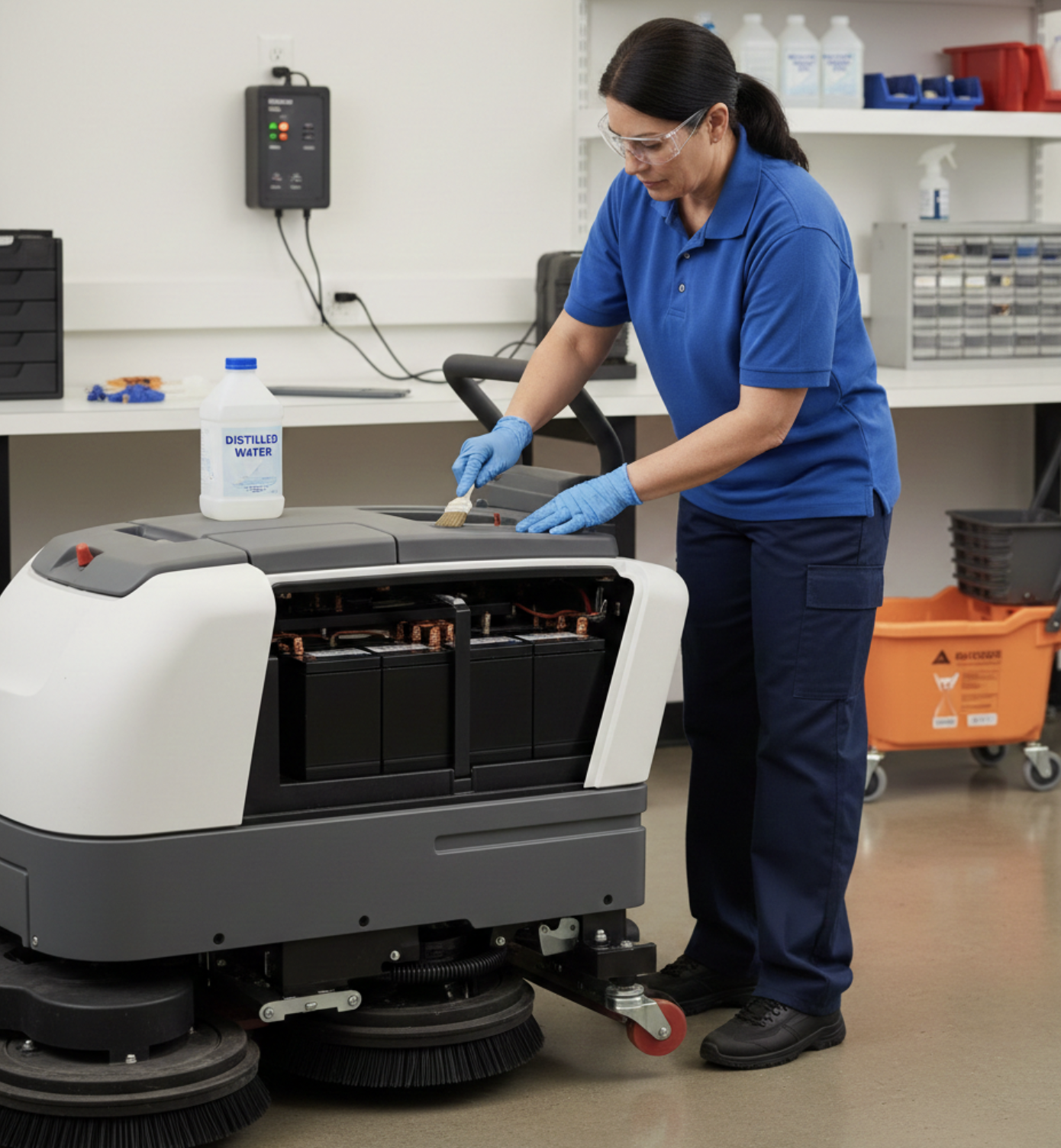
Electric floor buffers and scrubbers are essential tools in maintaining clean and professional floor environments. These machines rely heavily on their batteries, making battery maintenance crucial to ensure optimal performance and longevity. Taking care of your batteries not only prolongs battery life but also enhances the overall efficiency of your floor cleaning equipment, reducing downtime and replacement costs.
Types of Batteries Used in Electric Floor Buffers and Scrubbers
Lead-Acid Batteries
Lead acid batteries have been a traditional choice for floor scrubber batteries. They are known for their reliability and cost-effectiveness. These batteries require regular maintenance, particularly in monitoring electrolyte levels and topping them with distilled water when necessary. Neglect in maintenance could lead to acid leaks or damage to battery cells. Proper handling during charging and storage is essential to prevent corrosion at battery terminals and ensure safety.
Absorbent Glass Mat (AGM) Batteries
AGM batteries are a sealed, maintenance-free alternative to traditional lead acid batteries. Their design prevents acid leaks and reduces the need for electrolyte checks. Despite being more resistant to vibration and spillage, you still need to care for battery connections and use the correct charger to avoid damage. AGM batteries support consistent cleaning results and are favored for their durability and ease of maintenance.
Thin Plate Pure Lead (TPPL) Batteries
Thin plate pure lead batteries offer fast charging capabilities and superior durability compared to other lead acid variants. They have a longer life cycle and better temperature control, making them highly suitable for demanding floor cleaning operations. Regular battery maintenance tips include ensuring proper charging practices and avoiding overcharging to maximize performance and battery life.
Lithium-Ion Batteries
Lithium ion batteries represent the latest advancement in battery technology for floor cleaning machines. Their primary advantages include minimal maintenance requirements and a lighter weight, which can improve the maneuverability of your equipment. However, they are temperature sensitive and require careful disposal. Proper temperature control during storage and charging is vital to avoid capacity loss and extend battery life.
Essential Battery Maintenance Best Practices
Proper Charging Practices
Ensuring you fully charge your batteries after each use is fundamental to prolong battery life. Avoid partial charging sessions and prevent overcharging by using the manufacturer's recommended chargers and adhering to specified charging schedules. Proper charging practices help maintain battery cells' integrity and support consistent cleaning results throughout your operations.
Regular Inspection and Cleaning of Battery Connections
Battery connections should be inspected regularly to confirm tight and secure contacts. Clean any corrosion or debris from battery terminals and contacts using safe methods to prevent resistance and power loss. It’s important not to over-tighten connections, which can damage battery terminals, nor leave them loose, which can cause intermittent power failures.
Avoid Prolonged Idle Time
When your floor scrubber is not in use for extended periods, disconnect the batteries to prevent discharge. Implement regular charge and discharge cycles during storage periods to avoid battery capacity degradation. This preventative maintenance step ensures your batteries are ready for peak performance when cleaning operations resume.
Control Environmental Conditions
Store and charge your batteries in environments that are cool, dry, and well-ventilated. Extreme temperatures and high humidity can accelerate battery wear and reduce efficiency. Adequate temperature control safeguards your batteries from premature failure and maintains their capacity over time.
Efficient Operating Practices
Plan your cleaning routes efficiently to minimize unnecessary power consumption by your floor cleaning equipment. Adjust brush pressure and machine speed to balance performance and energy efficiency, which helps conserve battery power during cleaning operations.
Safety Tips for Handling Floor Buffer and Scrubber Batteries
Always wear personal protective equipment such as gloves and goggles when handling batteries to protect against acid spills or electrical hazards. Avoid creating sparks or exposing batteries to flames, and remove metal jewelry to prevent accidental short circuits. Ensure proper ventilation in charging areas to prevent the buildup of hazardous hydrogen gas.
Benefits of Regular Battery Maintenance
Regular maintenance can lead to significant cost savings by reducing the need for premature battery replacements. Maintaining your batteries properly minimizes equipment downtime and enhances operational efficiency. Moreover, a well-cared-for battery delivers better performance and promotes safer cleaning operations.
Final Thoughts on Prolonging Battery Life in Floor Cleaning Equipment
In summary, adopting a regular maintenance schedule that includes proper charging practices, routine inspections, controlled storage conditions, and efficient operational habits will substantially prolong the life of your batteries and improve the performance of your floor scrubbers and buffers. Investing time into battery maintenance translates into better machine reliability and consistent cleaning results.
Explore PS Janitorial's Floor Buffers and Scrubbers
Visit PS Janitorial to explore a wide range of floor cleaning machines designed with battery-friendly technology. Whether you are looking for batteries powered equipment, our experts are ready to assist you with advice on selecting the right floor scrubber or buffer and guidance on battery care to maximize your equipment's lifespan. Contact us today for personalized support and solutions tailored to your floor cleaning needs.