Compact Forklift vs Standard Forklift: Which Is Right for Your Operation?
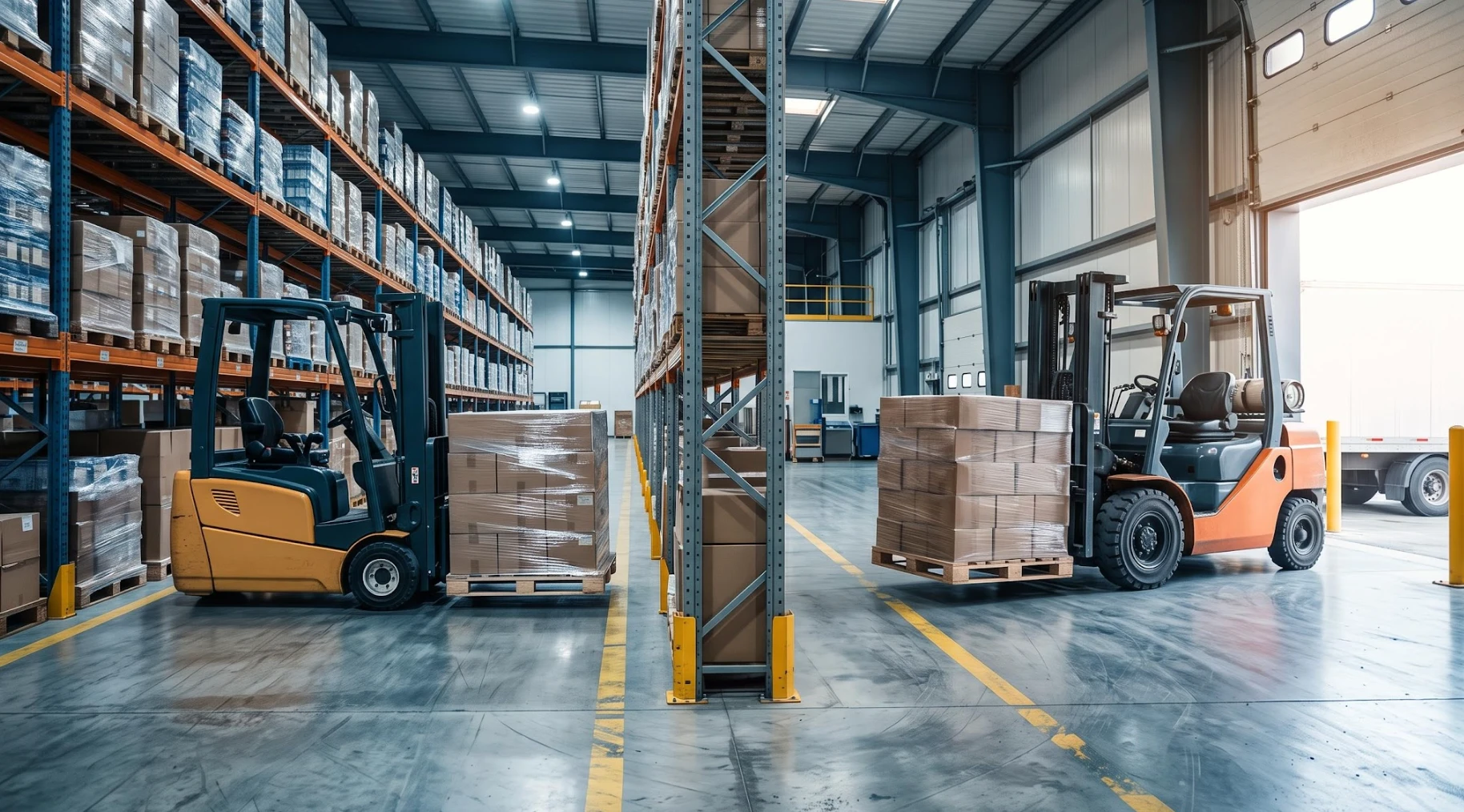
Choosing between a compact forklift vs standard forklift comes down to three things: the space you have, the loads you move, and the budget you can commit. Pick a truck that is too big and it will struggle in your aisles. Pick one that is too small and it will fall short when the loads get heavy. This guide compares both truck types side by side so you can match the right equipment to your floor. When you are ready to compare models, browse our forklifts for sale at PS Janitorial.
Compact Forklift vs Standard Forklift: The Quick Answer
If your work happens in tight spaces on smooth indoor floors with lighter loads, a compact forklift is usually the better fit. If you handle heavy loads, work in yards, or travel long distances, a standard forklift is the safer choice.
- Compact forklifts suit tight aisles, lighter loads, and indoor use.
- Standard forklifts suit heavy loads, outdoor yards, and long travel distances.
- Compact trucks have a smaller footprint and a tighter turning radius.
- Standard trucks give you more capacity and more flexibility across surfaces.
What Is a Standard Forklift?
A standard forklift uses a counterbalance design. The forks sit at the front of the truck, and a heavy counterweight at the rear offsets the weight of the load. This design lets the truck lift loads without outriggers or legs reaching under the pallet. Counterbalance forklifts are the most common type used, and they are ideal for medium to heavy duty loads. They handle jobs like unloading trailers at loading docks, moving full pallets across a plant, and stacking product in storage facilities, lumber yards, and manufacturing facilities.
Power and Tire Options on Standard Forklifts
Standard forklifts can use multiple power sources. Electric forklifts offer zero emissions and quiet operation, which makes them a strong match for indoor environments with noise concerns. Internal combustion models run on gas, diesel, or propane (LPG), and they handle heavier loads than electric models. That makes them suitable for outdoor applications.
Tires matter just as much as power. Cushion tires are solid and low to the ground, and they work best on smooth indoor floors. Pneumatic tires are air filled or solid pneumatic, and they grip better on rough surfaces, so they are the usual choice for outdoor operations and uneven ground.
What Is a Compact Forklift?
A compact forklift is a smaller frame truck built for tight spaces. It has a shorter body and a tighter turning radius, which gives it excellent maneuverability where a full size truck would struggle. The word "compact" describes size. It is not an official OSHA class, so you will not find it on a classification chart. Compact trucks typically operate inside, and they often use electric power for indoor operations.
Common Types of Compact Forklifts
Several truck designs fall under the compact label:
- 3 wheel electric trucks: These turn in a very small circle, which helps in busy aisles and crowded docks.
- Stand up forklifts: The operator rides standing and can step on and off quickly. These trucks operate in aisles 12 to 24 inches narrower than sit down models, but they typically lift between 2,000 lbs. and 5,500 lbs. For a full breakdown, see our sit down forklifts vs stand up forklifts guide.
- Reach trucks: These are designed for narrow aisles and high stacking. The mast or forks extend forward, so the truck can place loads high in pallet racking while it stays compact.
For lighter duty work, walkie stackers and pallet jacks fit in as smaller alternatives. Pallet jacks are ideal for moving palletized loads over short distances, and electric pallet jacks reduce the effort on longer runs. Neither one replaces a forklift when you need real lift height.
Forklift, Fork Truck, and Lift Truck: What the Terms Mean
These three terms describe the same family of equipment. "Forklift" is the everyday name. "Fork truck" is the same machine, named for its forks. "Lift truck" is a broader term that can cover any truck that raises a load, including reach trucks, order pickers, and pallet trucks. If you are searching under any of these phrases, you are looking at the same group of trucks and the same buying decisions.
Compact vs Standard Forklift Comparison Chart
This chart gives you a side by side view of how the two truck types compare on the factors that matter most.
| Factor | Compact Forklift | Standard Forklift |
|---|---|---|
| Size and footprint | Smaller frame and shorter wheelbase | Larger frame with a rear counterweight |
| Turning radius | Tighter | Wider |
| Capacity range | Lighter loads, lower weight capacities | Medium to heavy duty loads |
| Power source | Often electric | Electric, LPG, gas, or diesel |
| Indoor or outdoor use | Mostly indoor on smooth floors | Indoor or outdoor, depending on tires |
| Operator comfort | Lower noise and emissions indoors | Roomier seating, with more noise on combustion models |
| Training | Specific to the truck type | Specific to the truck type |
| Relative cost | Varies by brand, capacity, and options | Varies by brand, capacity, power source, and options |
These are general ranges only. Always confirm exact specs and rated capacity on the truck data plate before you buy or operate any lift truck.
Key Differences Between Compact and Standard Forklifts
The sections below break down the key factors that matter most when you choose between the two truck types.
Size, Footprint, and Maneuverability
Two measurements drive maneuverability: turning radius and wheelbase. A shorter wheelbase and a tighter turning radius let a truck pivot in less space. Compact forklifts have a smaller footprint and a tighter turning radius, so they excel in tight spaces, busy zones, and areas with frequent turning. Standard forklifts need more room to swing, which can slow you down around corners, pedestrians, and other equipment.
Aisle Width and Storage Layout
Truck size sets the aisle space you need. Standard forklifts demand wider aisles, which reduces storage space efficiency. Compact trucks and reach trucks fit narrow aisles and tight corners, so you can fit more pallet racking into the same building. Before you choose, measure your narrowest aisle, and include loaded pallets and any overhang.
Lifting Capacity and Lift Height
Compact forklifts handle lighter loads and have lower weight capacities. Standard forklifts take over when loads get heavy, and they are better for heavy duty freight. Reach trucks help with vertical space, because they stack high in narrow aisles without needing a wide turning area. Always verify load capacity on the data plate, and account for attachments such as side shifters, which can reduce the usable rating. Our guide on how much a forklift can lift explains why the plate number is only part of the picture.
Power Source, Batteries, and Run Time
Electric forklifts have lower maintenance costs than internal combustion trucks, and they run quietly with no exhaust. They need charging time and a safe charging area. Run time depends on battery size, the load, and how hard the truck works each shift. Lithium ion batteries are worth a look, because they charge quickly and suit operations that run long shifts. Internal combustion trucks refuel fast and keep working through a full shift, but they bring fuel handling, exhaust, and more engine maintenance.
Operating Environment and Surfaces
Smooth indoor floors suit cushion tires and compact designs. Yards, slopes, and debris call for higher ground clearance and pneumatic tires, which is where standard trucks and rough terrain forklifts earn their keep. Compact trucks generally struggle on uneven surfaces. Check doorway width and overhead clearance too, since mast height and overhead guard height decide whether a truck can pass through a door or work under a mezzanine.
Operator Comfort, Controls, and Training
Compact forklifts provide better indoor ergonomics, with lower noise and emissions. Comfortable seating and good visibility reduce operator fatigue and help forklift operators stay sharp through long shifts. Stand up trucks use different controls and a different riding position, so they take some getting used to. OSHA requires forklift operators to be trained and evaluated, and training is specific to the type of truck operated. A mixed fleet can raise training costs, because each truck type needs its own training.
Safety Considerations
Stability differs between the two designs. Standard counterbalance trucks rely on the counterweight and a stable stance, while compact trucks can be more sensitive to speed, sharp turns, and uneven floors. Sit down forklifts require operators to wear seat belts. Stand up forklift operators must step off quickly in emergencies, so they need practice with that skill. In tight areas, pedestrian safety matters more, so use clear travel lanes and advanced safety features such as lights and alarms. Trained operators matter more than truck size. Read our guide on why forklifts tip over for a closer look at stability.
Cost and Total Cost of Ownership
Total cost of ownership includes purchase price, maintenance, and training. Add batteries and chargers for electric trucks, fuel for combustion trucks, and the productivity gained or lost based on how well the truck fits your layout. Cost depends on brand, capacity, power source, and options, so request quotes for both types and compare the full picture instead of the purchase price alone.
How to Choose Between a Compact and Standard Forklift
With the comparison done, it is time to decide. The lists below show when each truck type makes sense for your operation.
When a Standard Forklift Is the Better Choice
A standard forklift is the right fit when your work looks like this:
- You regularly move heavy loads.
- You work outdoors, such as in lumber yards or construction sites.
- Your trucks travel long distances between pickup and drop off.
- Your floors are rough, sloped, or uneven.
When a Compact Forklift Is the Better Choice
A compact forklift is the right fit when your work looks like this:
- You run tight aisles in small warehouses or crowded storage areas.
- Your floors are smooth and indoors.
- Your loads are lighter.
- Your operators turn often and work around people and racking.
When You May Need Both
Many sites run a mixed fleet. A standard truck handles the dock and the yard, while a compact truck works the aisles. This setup matches each truck to its best job, but it adds cost. You will need training for each truck type and a maintenance plan that covers different power sources and parts.
Questions to Ask Before You Decide
- What is the heaviest load you lift, and how often?
- How wide is your narrowest aisle, measured with a loaded pallet?
- Do your trucks work on smooth floors, rough surfaces, or both?
- How far do your trucks travel on a typical run?
- How much experience do your operators have with each truck type?
- Do you need to work in cold storage facilities or other special areas?
- What is your budget for the purchase, batteries, chargers, and training?
- Will one truck cover the job, or does your layout call for two?
Whenever you can, test a truck on site and ask your operators for feedback. The people driving the truck every day will spot problems that a spec sheet misses.
New, Used, Leased, or Rented: How to Acquire Your Forklift
Buying new gives you the latest features, full warranty coverage, and predictable condition, but it costs the most. Buying used lowers the upfront cost, though you should inspect the truck closely and review its service history. Browse our selection of used forklifts to see what is available. Leasing or financing spreads the cost over time and keeps cash free for other needs, though you pay more overall than a straight purchase. Renting suits short projects or seasonal peaks, but it costs more if you rent for long periods. To explore payment options, visit our financing page.
Battery and Maintenance Basics for Both Types
Good habits keep any lift truck running longer. For electric trucks, charge in a ventilated area, avoid cutting charge cycles short, and follow the manufacturer's guidance on battery care.
Operators must complete pre shift inspections before use. A simple checklist covers the basics:
- Check the forks, mast, and chains for damage.
- Inspect the tires for wear and cuts.
- Test the horn, lights, brakes, and steering.
- Look for fluid leaks and check the battery or fuel level.
- Confirm the seat belt works, if the truck has one.
Beyond daily checks, schedule regular service with a qualified technician. Pull any truck from service if it fails an inspection.
Find the Right Forklift at PS Janitorial
Choosing the right forklift is easier when you can talk it through. Contact our team and share details about your facility, including your aisle width, floor type, loads, and shift length. We will help you match a truck to your operation.
Compact vs Standard Forklift FAQs
These answers cover the questions we hear most often from warehouse managers and buyers.
Is a Compact Forklift as Strong as a Standard Forklift?
Generally, no. Compact trucks handle lighter loads, and standard trucks handle heavier ones. Check the data plate for the exact rated capacity of any truck you are considering.
Can a Compact Forklift Be Used Outdoors?
It depends on the tire type and the surface. Most compact models suit smooth indoor floors better than rough yards. If you need to work outside, a standard truck with pneumatic tires is the safer choice. See our best forklifts for outdoor use for more options.
Do Compact Forklifts Need Different Operator Training?
Yes, in many cases. OSHA training is tied to the type of truck, so operators need training on each type they will use. A stand up truck, for example, calls for different training than a sit down truck.
Are Compact Forklifts Cheaper Than Standard Forklifts?
Not always. Cost depends on brand, capacity, power source, and options. Compare total cost of ownership, and request quotes for both types before you decide.
Which Forklift Is Better for Narrow Aisles?
Compact designs and reach trucks are built for tight spaces. Stand up trucks also operate well in narrow aisles. For a deeper comparison, read our narrow aisle forklift vs standard forklift post.
What Is the Most Common Type of Forklift?
The counterbalance forklift is the most common because of its versatility. It works indoors and outdoors, handles a wide range of loads, and comes in several power options. Our forklift classes guide explains how counterbalance trucks fit into the seven OSHA classes.