Electric Forklift vs Diesel Forklift: How to Choose the Right One for Your Operation
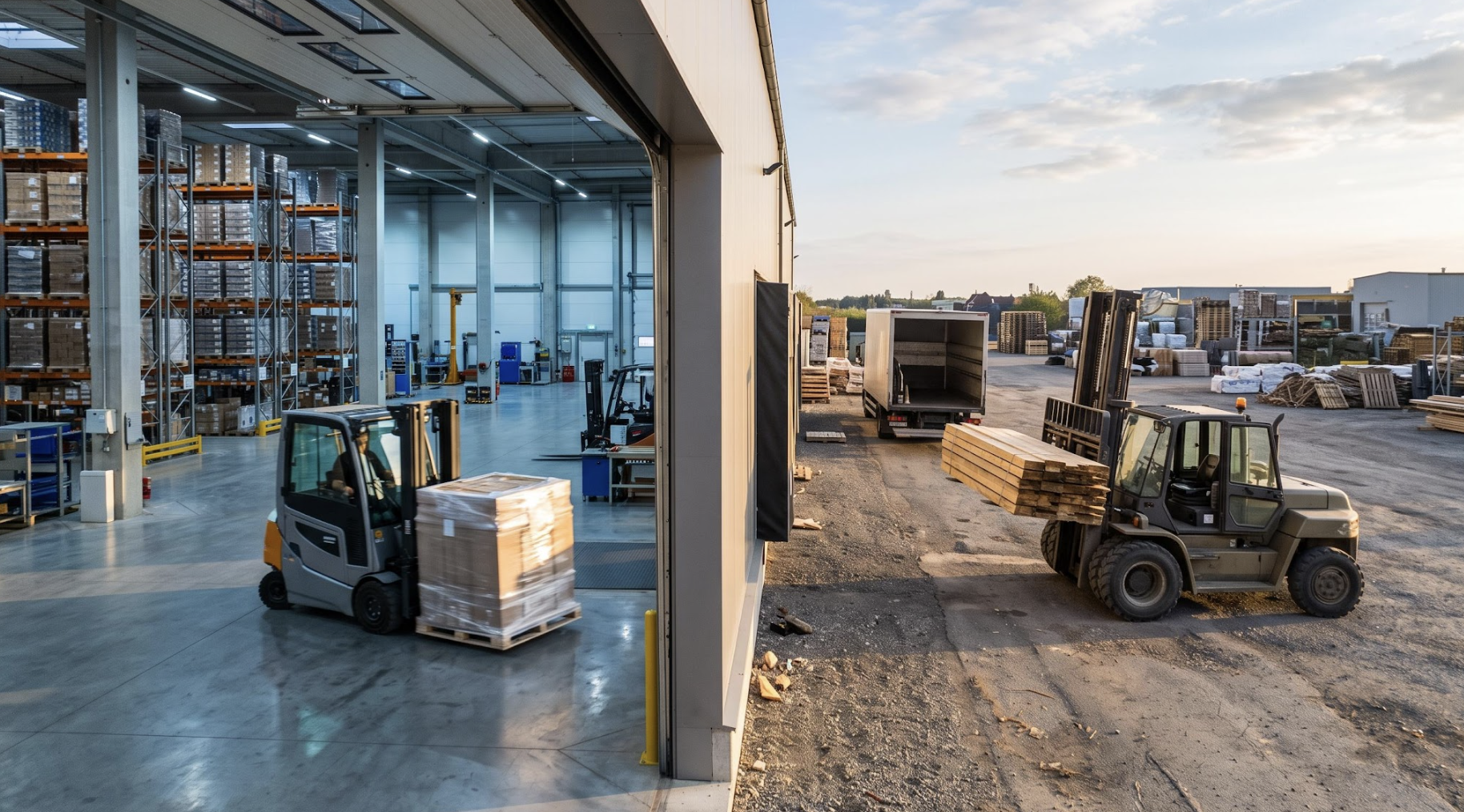
The electric forklift vs diesel forklift decision usually comes down to one rule: choose electric for indoor work, and choose diesel for outdoor and heavy duty work. Your floors, your loads, your shift schedule, and the air your team breathes all push you toward one side or the other. This guide walks through how each type works, how they compare on power, noise, emissions, run time, and total cost of ownership, and which one fits your operation. When you are ready to shop, browse our forklifts.
Electric Forklift vs Diesel Forklift at a Glance
An electric forklift runs on a rechargeable battery, produces zero direct emissions, and runs quietly, which makes it the usual choice for warehouses and other enclosed spaces. A diesel forklift runs on an engine, delivers more raw power, and handles rough ground and weather, which makes it the usual choice for yards and job sites. The table below shows the main differences.
| Factor | Electric Forklift | Diesel Forklift |
|---|---|---|
| Best use | Indoor warehouses, tight aisles, food and clean environments | Outdoor yards, rough terrain, lumber, construction |
| Power | Strong for light to medium loads with precise control | Higher torque and capacity for heavy loads |
| Noise | Quiet operation | Louder engine noise |
| Emissions | Zero emissions at the machine | Exhaust fumes and carbon monoxide |
| Refueling or charging | Charge cycles, spare batteries, or opportunity charging | Refuels in minutes |
| Maintenance | Fewer moving parts and lower maintenance costs | Oil, filters, cooling system, and exhaust service |
| Upfront cost | Generally higher because of the battery | Generally lower to purchase |
How Electric Forklifts Work
Electric forklifts are battery powered. The battery feeds an electric motor that drives the wheels and the hydraulic system, so there is no engine, no fuel system, and no tailpipe. Most electric models use one of two battery types. Lead acid batteries are the traditional choice and need regular watering and a planned charging routine. Lithium ion batteries cost more up front but are easier to care for and support faster charging. Because electric forklifts produce no exhaust and run at a low noise level, they suit warehouse operations, enclosed spaces, and any building where people work close to the machine.
Advantages of Electric Forklifts
- Zero emissions at the machine, which protects indoor air quality.
- Quiet operation, typically around 60 to 70 decibels.
- Smoother controls and a tight turning radius for precise work in tight spaces.
- Fewer moving parts than diesel models, which means fewer service appointments.
- Lower maintenance costs over time.
Disadvantages of Electric Forklifts
- A higher upfront purchase price, driven mostly by the battery.
- Charging time that has to fit your schedule.
- Battery planning for long shifts, since you need chargers, space, and often a second battery.
- Limits on rough or wet outdoor surfaces, where cushion tires and low ground clearance struggle.
- Significant battery replacement costs over the life of the truck.
How Diesel Forklifts Work
Diesel forklifts use an internal combustion engine to drive the wheels and hydraulics. Diesel engines are known for strong torque at low speeds, which is what you want when you are lifting heavy loads, climbing a grade, or pushing through soft ground. That is why diesel powered forklifts dominate lumber yards, construction sites, and other outdoor material handling operations. Most diesel forklifts also ride on pneumatic tires, which grip and cushion better on uneven surfaces than the solid cushion tires common on indoor electric trucks. The TAILIFT PFD40 pneumatic tire diesel forklift is one example, rated for 9,000 pounds.
Advantages of Diesel Forklifts
- Strong lifting and towing power for heavy duty tasks.
- Reliable handling of uneven terrain and weather.
- Quick refueling, with no charging downtime, so you can operate continuously.
- A lower purchase price than comparable electric models.
Disadvantages of Diesel Forklifts
- Exhaust fumes that make indoor use a ventilation problem.
- Higher noise, which adds to operator fatigue and makes communication harder.
- Ongoing engine servicing on a more complex mechanical structure.
- Diesel fuel prices that rise and fall, which makes your fuel costs harder to predict.
Electric vs Diesel Forklift: Key Differences Compared
Power and Lifting Capacity
Diesel trucks deliver more torque and raw power, and they carry the heaviest ratings. Electric forklifts typically lift between 3,000 and 6,000 pounds, while diesel forklifts can lift loads up to 40,000 pounds. Ground conditions matter as much as the rating. A diesel truck keeps its pull on a muddy slope, while an electric truck is built for flat, smooth floors. Modern electric models now compete with diesel models in many mid range applications. The NOBLELIFT FE4P100Q lithium forklift with pneumatic tires, for example, is rated for 10,000 pounds. Electric trucks also excel at precision control for lighter tasks such as loading pallet goods. If your loads regularly sit at the top of the capacity range, diesel is still the safer bet.
Indoor vs Outdoor Performance
Most electric trucks are built for indoor environments with smooth floors, tight aisles, and controlled conditions. Diesel forklifts are built for outdoor use, with pneumatic tires, higher ground clearance, and tolerance for rain, dust, and rough ground. Rough terrain diesel forklifts take this furthest, with large tires and rugged frames for gravel and dirt. Diesel forklifts are not suitable for indoor use without ventilation. If you plan to run one inside, you need a serious ventilation plan that moves exhaust out of the building and keeps fresh air moving through the work area.
Noise and Operator Comfort
Noise affects more than comfort. A loud truck makes it harder for operators and floor staff to hear each other, hear alarms, and notice approaching traffic. Over a full shift, constant engine noise and vibration add to fatigue and put hearing at risk. Electric forklifts offer quieter operation and low noise levels, so your team can talk, stay alert, and avoid noise pollution inside the building.
Emissions and Air Quality
Diesel forklifts emit carbon dioxide, carbon monoxide, and other pollutants. In enclosed spaces, that exhaust can build up and lead to poor indoor air quality and real health hazards. It matters most where staff, food, or finished goods are nearby, which is why electric forklifts are often preferred in food processing facilities. Electric forklifts generate no direct emissions during operation, improve air quality significantly, and help maintain a pleasant work environment. They are not emission free overall, since the power plant behind your outlet has its own footprint, but at the machine they keep the air clean.
Refueling vs Charging and Run Time
Diesel wins on speed. You refuel in minutes and go back to work, and a diesel forklift can run longer without stopping. Electric trucks need charge cycles, and a lead acid battery usually needs time to cool after charging. You can close the gap in three ways:
- Spare batteries, so one is working while another charges.
- Battery swap systems, which trade a depleted pack for a fresh one.
- Opportunity charging, which tops up the battery during breaks, a good fit for lithium ion packs on multi shift sites.
Electric vs Diesel Forklift Cost: Upfront, Running, and Total Cost of Ownership
Electric forklifts typically cost more to buy because of the battery, and diesel forklifts are generally cheaper at the start. That gap is only the first line of your budget. Total cost of ownership is what you actually pay across the machine's working life, and it gives a fuller picture of electric vs diesel forklift cost. Electric forklifts generally have lower total ownership costs and lower operating costs, while diesel forklifts carry higher operational expenses because of fuel.
Use this framework to compare any two trucks over a 5 to 10 year period:
- Purchase price. Record the price of each truck. Electric trucks usually start higher.
- Energy infrastructure. For electric, add batteries and chargers, plus the space and electrical work for a charging area. For diesel, add fuel storage and a way to dispense it safely.
- Energy or fuel. Estimate your annual operating hours, then price the electricity or diesel fuel needed to cover them. Electricity prices tend to be stable, which gives you predictable running costs. Fuel consumption and diesel fuel prices can swing from year to year.
- Service. Add the cost of scheduled service over the period. Diesel engines have more fluids, filters, and parts to replace.
- Major replacements. Add one battery replacement for electric, or major engine work for diesel, if your hours and period make either likely.
Add the five lines for each truck and compare the totals. A higher purchase price can pay for itself if you run many hours indoors, while a lower purchase price loses its edge when fuel and servicing pile up.
Maintenance and Service Differences
Electric forklifts need battery watering and care for lead acid packs, along with checks of the charger and cables. They have fewer wear parts, and electric forklifts typically need maintenance about every 1,000 hours. Diesel forklifts need oil changes every 500 to 1,000 hours, plus filter replacements, cooling system service, and exhaust system checks. Diesel forklifts require more intensive maintenance than electric ones, which is why they tend to have higher maintenance costs. Battery health and charger reliability are the key maintenance considerations for electric trucks.
Whichever type you run, use a simple inspection routine.
Daily, before each shift:
- Check tires for damage and correct pressure on pneumatic tires.
- Inspect forks, mast, chains, and hydraulic hoses for wear or leaks.
- Test the horn, lights, brakes, steering, and seat belt.
- Check the battery charge level and cables on electric trucks, or the fuel, oil, and coolant levels on diesel trucks.
Periodic, on a set schedule:
- Service the battery, charger, and connectors on electric trucks.
- Change oil and filters and inspect the cooling and exhaust systems on diesel trucks.
- Have a qualified technician inspect the brakes, mast, and hydraulics.
Which Forklift Is Right for You?
The right forklift depends on your operational environment and workload. Match the machine to the conditions you face most often.
Choose Electric If
- You work in indoor warehouses with smooth floors.
- Your aisles are narrow and you need a tight turning radius, as with a Crown RC5530C electric stand up forklift.
- Noise or air quality limits apply to your building.
- You run one or two shifts, which leaves time to charge.
Choose Diesel If
- You work in outdoor yards or on rough, uneven terrain.
- You move heavy loads regularly, which is where a model like the TAILIFT PFD70 pneumatic tire diesel forklift with a 15,500 pound rating comes in.
- You need to operate continuously with little downtime.
- You have easy access to fuel on site.
Mixed Indoor and Outdoor Operations
Many sites do both. If you load trucks in a yard and stock shelves inside, running electric and diesel forklifts side by side often beats forcing one machine to do everything. Assign the electric truck to indoor stocking, put away, and order picking, and assign the diesel truck to yard work, heavy loads, and rough ground. If your outdoor surfaces are paved and dry, you can sometimes move an electric truck through a short outdoor run, but constant outdoor use calls for a diesel truck. Splitting tasks this way protects your indoor air quality and keeps each machine in the conditions it handles best.
Operator Training and OSHA Requirements
OSHA requires employers to make sure every powered industrial truck operator is competent, which means completing training and an evaluation under 29 CFR 1910.178(l). Operators must be trained and evaluated on the type of truck they will operate in your workplace. Employers must also certify the training, and each operator needs an evaluation at least once every three years. Refresher training is required when an operator is assigned to a different type of truck, so moving someone from an electric truck to a diesel truck triggers it.
The content differs by type. Training for electric trucks should cover battery handling, safe charging, and the hazards of the charging area. Training for diesel trucks should cover safe refueling, fuel handling, and fume awareness, especially where ventilation is limited. Training also needs to cover the conditions of your own workplace, such as surfaces, ramps, and pedestrian traffic. For exact requirements, check the current OSHA standard.
Safety Considerations for Each Type
Electric forklifts need a dedicated charging area. Keep it ventilated, keep open flames and sparks away, and give operators the protective equipment they need for handling batteries. Charging infrastructure and planned battery management are part of owning an electric fleet.
Diesel forklifts need safe fuel storage and enough ventilation wherever they run. Fuel should be stored and handled according to your local rules, and exhaust should never be allowed to collect in an enclosed space.
Both types call for visibility and noise awareness. Keep walkways marked, use mirrors and lights at blind corners, and make sure staff can hear the truck coming. Quiet electric trucks can surprise pedestrians, so alarms and clear traffic rules matter just as much as they do around louder diesel machines.
Trends: Lithium Ion Batteries and Where Electric Is Heading
Electric forklifts keep improving, and lithium ion batteries are a big reason. Compared with lead acid, lithium ion packs generally charge faster, support opportunity charging, and need less routine care, which helps electric trucks handle longer shifts. Telematics is also growing. Many newer trucks can report hours, battery status, and operator activity, so you can plan charging and service with real data. As these features spread, electric models keep taking on work that once went to diesel, though heavy outdoor lifting remains diesel territory.
Frequently Asked Questions About Electric vs Diesel Forklifts
Which is cheaper to run, an electric or diesel forklift?
Electric forklifts generally cost less to run. Electricity prices are more stable than fuel prices, and electric trucks need less service. Diesel trucks cost less to buy, so compare the full picture in the total cost of ownership section above.
Can you use a diesel forklift indoors?
You can only do it with serious ventilation. Diesel exhaust includes carbon monoxide and other pollutants that harm indoor air quality, so electric is usually the safer indoor choice.
How long does it take to charge an electric forklift battery?
It varies by battery type and charger. Lead acid batteries usually need a full charge cycle plus cooling time, while lithium ion batteries charge faster. Opportunity charging and spare batteries keep trucks working through multiple shifts.
Are electric forklifts as powerful as diesel forklifts?
For many indoor tasks, yes. For the heaviest loads, rough ground, and steep grades, diesel still has more torque and higher capacity.
Do electric and diesel forklifts need different operator training?
OSHA requires training and evaluation on the type of truck an operator will use, and refresher training when the operator moves to a different type. The content differs, with battery handling and charging for electric and refueling and fume awareness for diesel.
How often should a forklift be serviced?
Follow the manufacturer schedule, and shorten the intervals for heavy use, harsh conditions, or long operating hours.
Find the Right Forklift at PS Janitorial
Here is the short version. Pick electric for indoor use, tight spaces, quiet operation, and cleaner air. Pick diesel for outdoor work, rough terrain, heavy loads, and continuous operation. If your site does both, run each type where it performs best. Browse the forklifts category to compare your options, or contact the PS Janitorial team and we will help you match a forklift to your operation.