Commercial Floor Cleaning Machines: Best Practice for Efficient Cleaning
Let’s cut to the chase—immaculate floors aren’t just for impressing your most critical client (though I won’t lie, it helps). Making smart choices about your floor cleaning equipment is the real secret sauce for keeping your business not just sparkling, but compliant, efficient, and safe. And as anyone who’s ever managed a facility—or even just survived a muddy Tuesday—can tell you, this stuff matters.
We’ve had clients in pretty much every industry—from bustling hotels to cavernous manufacturing plants—ask: “What’s the real key to cleaning efficiency?” And honestly, it boils down to having the right tools (hello, industrial floor cleaning machine), knowing how to use them, and a pinch of good old-fashioned maintenance. So, let’s walk through how to wring every ounce of value—and every square inch of shine—out of your floor cleaning machines.
Why Efficient Floor Cleaning Matters
Hygiene, Safety & Compliance
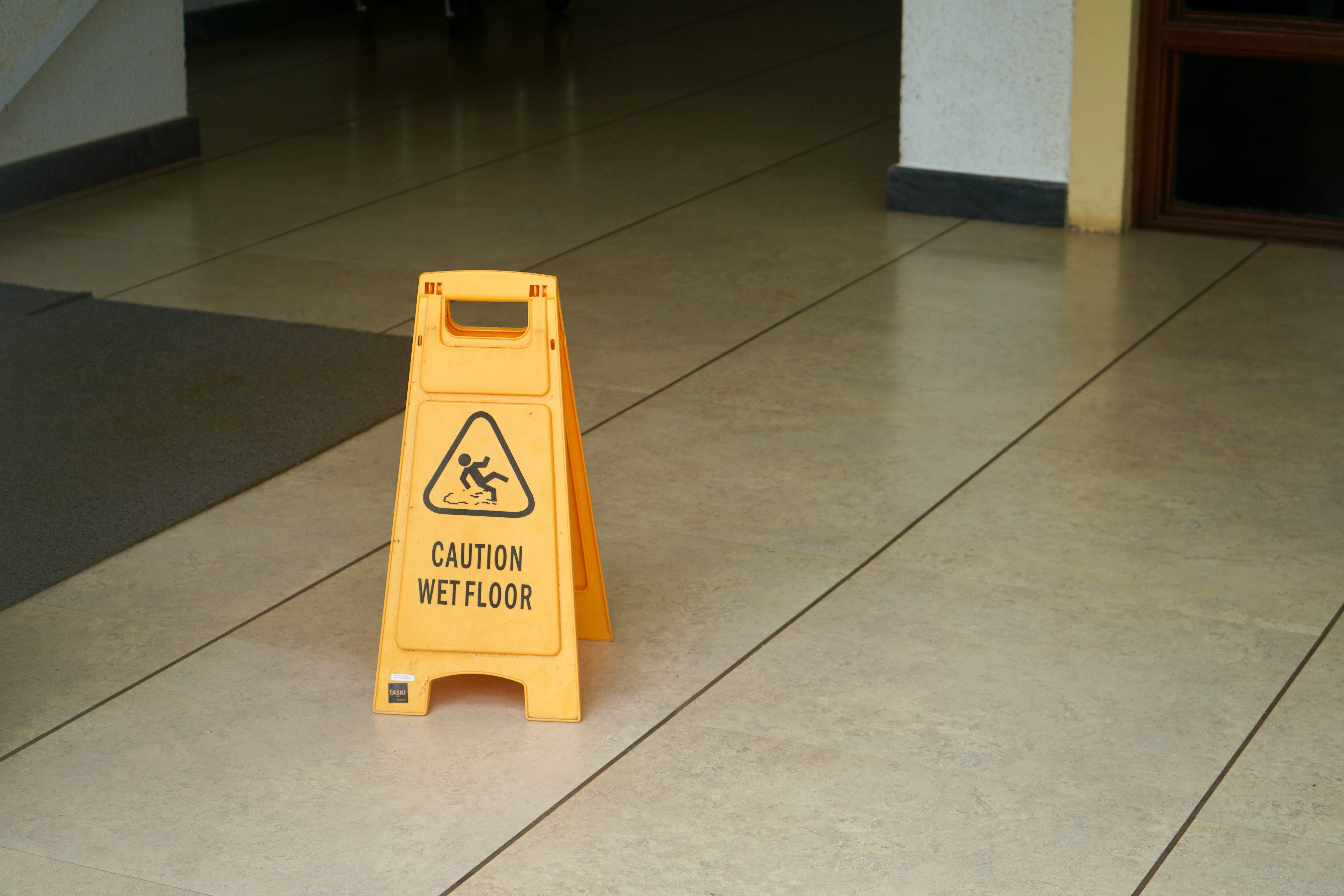
Okay, let’s be real. No one’s day ever improved from stepping on a sticky patch in the hallway. Efficient floor cleaning isn’t just about good looks—it’s about slashing bacteria, banishing allergens, and minimizing those dreaded slip-and-fall incidents. In industries like healthcare, food service, or education? Not hitting those standards isn’t a minor hiccup; it’s curtains. You don’t want to explain to an inspector why your industrial floor cleaning machines are gathering dust in a corner, right? Using a reliable floor scrubber can make all the difference in staying safe, saving face, and keeping insurance premiums from spiking.
Productivity & Labor Cost Reduction
Let’s face facts: time is money, and labor costs seem allergic to going down. When you've got automated or semi-automated cleaning equipment, you’re not just making life easier for your crew—you’re reducing the minutes (and dollars) spent scrubbing away stubborn grime. We had one of our clients swap to a battery-powered floor scrubber and shave hours—hours!—off their weekly schedule. That’s productivity you can bank on.
Enhancing Facility Appearance & Brand Image
Picture this: customers or employees walk in, notice those gleaming floors, and—bam!—their trust in your brand soars. Sounds dramatic, but it works. Consistency matters. Efficient floor cleaning isn’t just a backroom operation; it’s your silent ambassador. Invest in optimal cleaning performance, and your facility tells the world: “We care.” Not a bad message to send, is it?
Types of Commercial Floor Cleaning Machines
So, how many ways can you keep your floors clean (while also keeping your sanity intact)? More than you might think.
Floor Scrubbers
There are days when nothing but a floor scrubber will do—those deep-cleaning missions where elbow grease just isn’t enough. Whether you go for a walk-behind model for those tight spaces, a beefy ride-on scrubber for open warehouses, or a battery-powered unit for max flexibility, you’ll notice one thing: these machines mean business. And honestly, if you want optimal cleaning performance, floor scrubbers are a no-brainer.
Sweeper & Scrubbers
Some messes have ambition. For facilities that deal with everything from big clumps of debris to gritty dust, sweepers & scrubbers combine heavy-duty sweeping and deep scrubbing in one go—efficient and, dare we say, oddly satisfying to watch.
Steam Cleaners
If you’re running a hospital, daycare, or any place where germs fear to tread, steam cleaners deliver chemical-free sanitation. Superheated steam breaks down dirt and kills pathogens, no chemical arsenal required. Who knew floor cleaning could feel so high-tech?
Industrial Vacuums
If you assume vacuum cleaners are just for the home, think again. Industrial vacuum cleaners suck up everything from fine dust to chunky debris, whether it’s carpet or tile. Their secret weapon? Advanced filtration. If keeping your air as clean as your floors matters, these units are your best friend.
Robotic & Automated Cleaners
If robots cleaning your floors sounds like science fiction—well, welcome to the future. These automated cleaning machines use sensors and smart navigation to map out your facility, then quietly go about their business. It’s practically magic. Your team can focus on the trickier parts of the job, and let the robots handle the monotonous laps around endless corridors.
Mechanized Mops
Some areas are like obstacle courses—tight, busy, and seemingly allergic to big equipment. Mechanized mops dart right in, providing quick, efficient cleaning where a floor scrubber might feel like overkill.
Choosing the Right Machine for Your Facility
Every business is its own beast, right? What works in a library won’t cut it in a warehouse.
Evaluate Your Cleaning Needs
First things first: what kind of mess are you battling? If your facility is plagued by constant spills, you’ll need something with muscle—a heavy-duty floor cleaning machine. If it’s mostly dust, you might be fine with a nimble vacuum cleaner. The point is, don’t just guess. Analyze your daily cleaning routine, your dirt “profile,” and make a list before jumping in.
Facility Size and Layout Considerations
Bigger isn’t always better. Trust us, we’ve seen a ride-on scrubber stuck in a narrow hallway and it wasn’t pretty. For sprawling, open areas, bring out the big guns. For tight hallways and corners, compact is best. Don’t forget—storage space and your power situation (cord, battery, propane) matter just as much as machine size.
Features and Ergonomics to Look For
Seriously, don’t skimp on operator comfort. Adjustable settings, no-fuss tank refills, simple maintenance—all these make a difference. Ergonomic handles and intuitive controls keep fatigue at bay and spirits higher, especially after the hundredth lap.
Battery Selection: Lithium vs. Lead-Acid
Here’s where things get spicy. Lithium-ion batteries? Lighter, faster, way more forgiving if you need to sneak in a quick charge mid-shift. Lead-acid? Tried and true, but heavier and fussier. In our experience, investing in lithium now saves you tech headaches and downtime later. It’s a bit more up front, but for optimal performance, it often pays off—especially if your cleaning efficiency is on the line.
Best Practices for Efficient Cleaning with Floor Machines
A little planning now saves major grief later.
Pre-cleaning Checks
Start each clean by eyeballing the basics: brushes, pads, squeegees, and tanks. Are they clean, intact, and in good shape? Double-check batteries and connections. Breakdowns love to happen at the worst times; a simple checklist keeps surprises (mostly) at bay.
Optimizing Machine Settings
No two floors—or jobs—are exactly alike. Adjust brush speed, pressure, and solution flow each time; overkill just wears out your equipment and under-doing leaves grime. Dial it in for each area, and you’ll see the cleaning results improve instantly.
Use the Right Pads, Brushes, and Chemicals
You wouldn’t use a wire brush on a marble floor, right? Choose softer brushes for delicate surfaces and tougher pads for hardy, industrial spots. Match your cleaning chemicals to the job for best results and residue-free shine.
Avoiding Overuse and Improper Techniques
More isn’t always better. Overuse can burn out your floor cleaning machines—or ruin your floors. Train your crew on the right patterns and timing. Trust me, your equipment—and your floor—will thank you.
Daily, Weekly, and Preventive Maintenance Tips
Which brings us to maintenance—your secret weapon for optimal cleaning performance.
Daily Maintenance Checklist
Here’s our client-approved, step-by-step daily routine:
- Empty and rinse solution/recovery tanks.
- Remove, wash, and air-dry pads/brushes.
- Wipe down squeegees; inspect for nicks.
- Recharge batteries ASAP.
- Spot check hoses and cords.
That’s it—you’re halfway to proper maintenance (and avoiding repair bills).
Weekly/Monthly Inspections
Each week, take a closer look. Check filters, belts, wheels, and terminals. Lube what needs lubing. Log what you find; patterns show up quickly, and fixable issues don’t sneak up so easily.
Preventive and Professional Servicing
Look, not everything can be DIY’d. Schedule regular pro check-ups and honor your manufacturer’s suggested service intervals. You’ll catch trouble early and keep your warranty intact.
Troubleshooting Common Machine Issues
Let’s play “What’s That Weird Noise,” business edition.
- Poor Water Pickup: Squeegee assembly or gaskets likely need cleaning or replacing. No mystery here—check for anything blocking the vacuum system.
- Inconsistent Cleaning Results: Usually worn brushes or clogged solution lines. Replace or clean as needed.
- Battery Performance Problems: Batteries suffering from short run times? Review charging habits and look for corrosion or age. Sometimes, it’s worth swapping in fresh cells.
- Emergency Breakdowns: Always (always!) keep a toolkit and some spares within reach, plus a troubleshooting checklist for your crew.
Safety Tips and Operator Training
Safety isn’t boring—trust me, it’s essential.
- Know the built-in safety features. Emergency stops, alarms, sensors—read the manual (or at least, skim it).
- Follow maintenance protocols. Protective gear, locking out machines during maintenance, following correct troubleshooting steps—these are not optional.
- Train your crew. And retrain them. Good documentation and up-to-date training keep everyone (and your floors) safe.
Maximizing ROI from Your Equipment Investment
Can a floor scrubber be a profit center? Surprisingly, yes.
Smart Battery Tech (LiFePO4)
If you can swing it, lithium-iron phosphate (LiFePO4) batteries are game changers. Faster charging, longer life, and rock-steady power mean more cleaning per shift and fewer repairs. High upfront, but the payoff is real in cleaning efficiency and long-term savings.
Storage & Environment
Don’t leave your floor cleaning machines in a sauna—or a freezer. Clean, dry, and ventilated environments keep them running sweet.
Records & Software
Maintenance logs, scheduling apps—if you’re not tracking machine use, you’re missing out. This data highlights inefficiencies, keeps you on top of preventative maintenance, and extends your cleaning equipment’s lifespan.
Setting a Standard for Clean, Efficient Operations
At the end of the day, cleaning is never “just cleaning.” Adopting these best practices? It’s your ticket to a more efficient, safer, and welcoming facility. Take stock of your current floor cleaning processes. Upgrade where you need to. And never forget: proper maintenance is your best friend for ensuring cleaning equipment delivers optimal performance, year after year. Ready to step up your floor cleaning game? Dive into PS Janitorial’s commercial floor cleaning machine catalog for expert advice and a full lineup of reliable gear.
FAQs
What types of floor cleaning machines are best for small businesses?
Great question! Compact floor scrubbers or agile mechanized mops suit cozy spaces. Pair them with lightweight industrial vacuum cleaners—perfect for mixed-surface cleaning without busting your budget or back.
How often should I service my commercial floor scrubber?
We swear by a daily wipe-down, plus a detailed weekly or monthly check-in. For high-usage machines, book a pro service at least once a year—think of it as a checkup for your cleaning MVP.
Are lithium batteries worth the investment for janitorial machines?
In a word? Absolutely. Faster charging, lighter carry, more uptime, and fewer headaches—sometimes, paying more up front is the smart move for long-term cleaning efficiency and optimal performance.
Can one machine handle both carpet and hard floors?
Modern industrial vacuums and some floor scrubbers with handy pad or brush swaps can tackle both. Just make sure to double-check compatibility so you don’t end up, well, between a rug and a hard place.
Ready to elevate your facility’s floor cleaning routines? Swing by PS Janitorial’s commercial floor cleaning machine catalog—we’ll help you find exactly what you need for cleaner, safer, and more efficient operations.