Common Issues With Floor Scrubbers and How to Fix Them
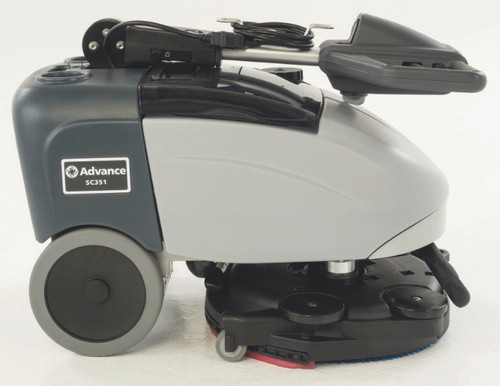
Floor scrubbers are indispensable tools for maintaining clean and safe environments in various settings, from retail floors to industrial warehouses. Despite their robust design and utility, floor scrubbers, like any sophisticated machinery, are susceptible to a range of issues that can affect their efficiency and performance. Recognizing and rectifying these common floor scrubber problems not only enhances their functionality but also extends their operational lifespan, ensuring they continue to provide the level of cleanliness expected. This guide aims to illuminate the typical issues encountered with automatic floor scrubbers and offers practical advice for troubleshooting and fixing them effectively.
Poor Water Pickup
One of the most frequent challenges with floor scrubbers is inefficient water pickup, which can leave floors wet and potentially hazardous. Here’s how you can address this issue:
Full Recovery Tank
The recovery tank's primary role in a floor scrubbing machine is to collect dirty water after the floor has been cleaned. A full recovery tank can impede this process, leading to reduced suction and ineffective cleaning. Regularly check and empty the recovery tank to avoid this issue, ensuring your floor scrubber operates at its best.
Damaged or Worn Squeegee Blades
Squeegee blades are critical for effective water pickup. Over time, these blades can wear out or become damaged, resulting in floor scrubber leaving streaks or residual water left behind on the floor. Inspecting and replacing worn or damaged squeegee blades as necessary can significantly improve the performance of your floor scrubber.
Blocked or Split Hose
The vacuum hose is another vital component of the floor scrubber’s water retrieval system. A blocked, split, or kinked hose can drastically reduce the suction power of the unit. Regular inspections can help you identify any damage or blockages in the vacuum hose, and cleaning or replacing it will restore proper function.
Vacuum System Issues
A functioning vacuum system is essential for optimal water pickup. First, ensure that the vacuum is activated. Then, check the system for any blockages or loose connections that might be compromising its effectiveness. Maintaining the vacuum system in good working order is crucial for the efficient operation of your floor scrubber machine.
Clogged Debris Tray
The debris tray in your floor scrubber can also become clogged with dirt and debris, affecting water pickup. Cleaning the debris tray regularly prevents clogs and maintains the efficiency of your machine, ensuring that it continues to perform well.
Poor Scrubbing Results
Achieving the desired cleaning results depends significantly on the proper functioning of your floor scrubber. Here are some common issues that can lead to subpar cleaning outcomes:
Incorrect Pad or Brush
Using the wrong floor pad or brush for the type of floor you are cleaning can lead to inadequate results. Different surfaces require specific types of pads or brushes to effectively remove dirt without damaging the floor. Always select the appropriate floor cleaning supplies for the surface you are dealing with to ensure optimal cleaning.
Worn Pads or Brushes
Just like squeegee blades, pads and brushes wear out over time and with use. An old or worn pad or brush won’t clean effectively and can even damage the floor. Regularly check the condition of your pads and brushes and replace them when they start to show signs of wear.
Insufficient Water Flow
For a floor scrubber to clean effectively, it must dispense the right amount of water and cleaning solution. Make sure the solution tank is full and that the solution filter is clean and unobstructed. Adjusting the water flow settings according to the specific needs of your cleaning task can also help achieve better results.
Incorrect Pad Pressure
The pressure applied by the pads or brushes should be appropriate for the floor type and the level of dirt. Excessive pressure can damage the floor, while insufficient pressure can result in poor cleaning. Adjust the pad pressure settings to suit the cleaning requirements of the floor.
Walking or Driving Too Fast
The speed at which you operate the floor scrubber can affect its cleaning efficacy. Moving too quickly can prevent the machine from effectively scrubbing and picking up dirt. Maintain a consistent, moderate speed to ensure thorough cleaning and optimal use of your floor scrubber.
Not Releasing Water
If your floor scrubber is not releasing water as it should, it can severely affect its cleaning ability. Here are some tips to troubleshoot this issue:
Empty Solution Tank
Regularly check the solution tank to ensure it has enough water and cleaning solution. Refill the tank as needed to maintain continuous cleaning performance.
Blocked Solution Filter
A blocked solution filter can restrict water flow, preventing the floor scrubber from dispensing the necessary water and solution mix. Clean the solution filter regularly to avoid blockages and ensure effective water release.
Will Not Turn On
A floor scrubber that won’t start can be a significant impediment to your cleaning schedule. Here’s what to check:
Power Issues
For cord-electric models, ensure that the scrubber is properly plugged into a working outlet. Check for any tripped breakers or blown fuses. For battery-operated models, ensure the battery is adequately charged. Replace the battery if it fails to hold a charge or shows other signs of failure.
Poor Run Time
Reduced run time can affect the productivity of your cleaning operations. Here are a couple of things to consider if your floor scrubber is not running as long as it should:
Battery Issues
A well-charged battery is essential for optimal run time. Always charge the battery fully before use. If the battery still does not provide sufficient run time, check the connections for corrosion or looseness, and consider replacing the battery if it is aged or shows signs of deterioration.
High Pad Pressure
Excessive pad pressure can drain the battery more quickly than usual. Adjusting the pad pressure can help conserve battery life and extend the run time of your floor scrubber.
General Maintenance Tips
Regular maintenance is the key to avoiding many of the common issues with floor scrubbers. Here are some tips to keep your machine in top condition:
- Clean the squeegee blades and recovery tank daily.
- Always use water when scrubbing to reduce dust accumulation in the recovery tank.
- Overlap your scrub paths to ensure consistent cleaning results.
- Avoid storing your scrubber with a full solution tank to prevent undue pressure on the system.
- Use the correct amount of cleaning chemicals to prevent residue and streaking.
- Consult the user manual for specific maintenance and operation guidelines.
Maximize Cleanliness and Durability with PS Janitorial's Expert Floor Care Solutions
Understanding and addressing the common issues with your floor scrubber is crucial for enhancing its performance and reliability. At PS Janitorial, we emphasize the importance of regular maintenance, proper setup, and appropriate use to not only extend the lifespan of your commercial or industrial floor scrubbers but also ensure their effective performance. Our range of commercial-grade floor scrubbers is designed to keep your floors immaculate and safe. With our expert support and comprehensive maintenance guides, you can maximize the efficiency of your cleaning equipment. Contact us today to learn more about our products and services, and keep your facility looking its best with PS Janitorial’s reliable cleaning solutions.