
How To Fix If Your Commercial Carpet Extractor Is Losing Suction
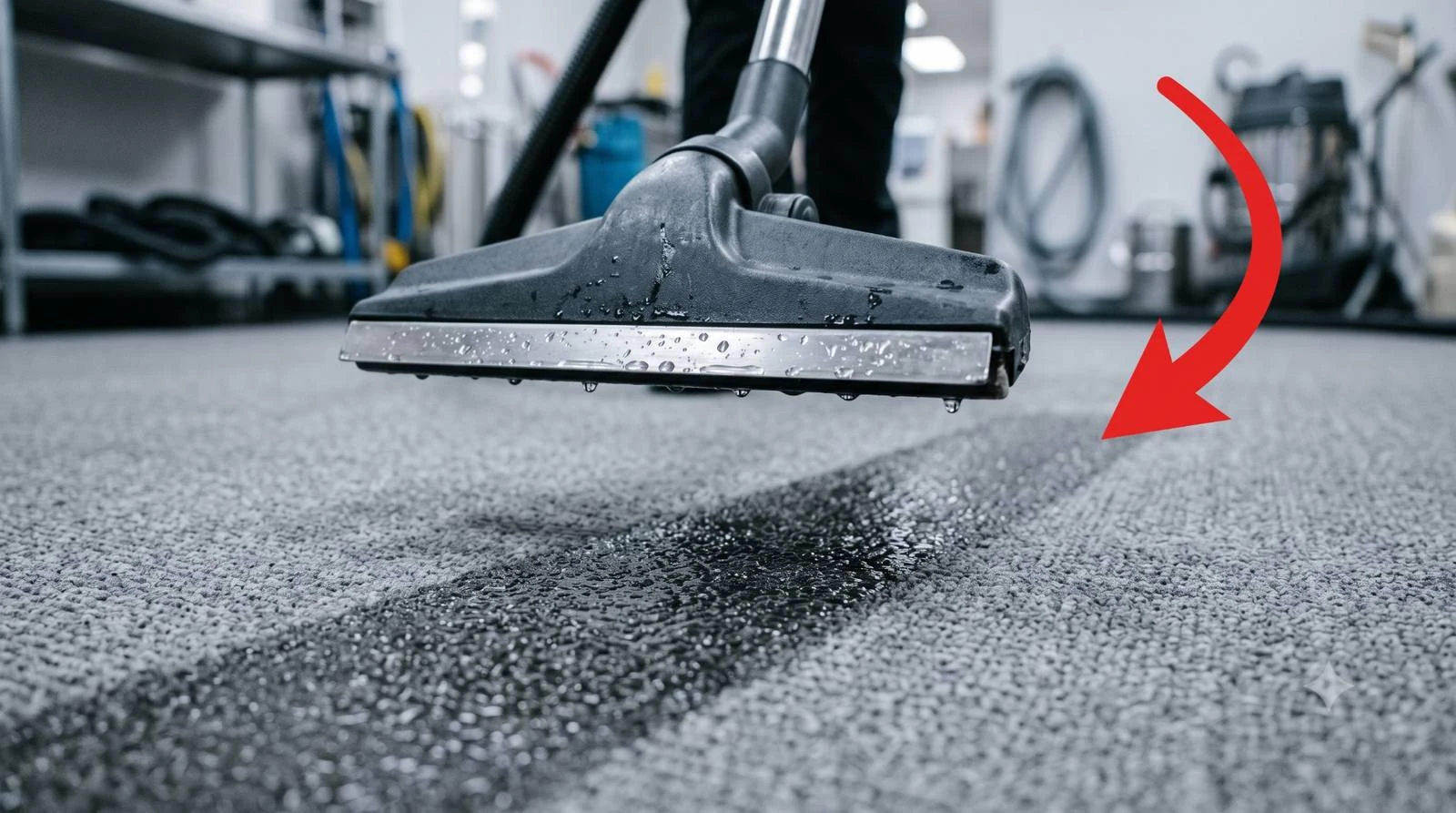
When your commercial carpet extractor starts losing suction, it can bring an entire cleaning pass to a halt. Instead of lifting dirty water and soil out of the carpet fibers, the machine leaves wet streaks behind, forcing you to go over the same section again and again.
For anyone running a carpet cleaning business, this isn't just frustrating, it's costly downtime that eats into your schedule and your bottom line. Understanding why suction problems happen, and fixing them quickly, keeps your equipment running at peak performance and your clients happy with the results.
Understanding How Suction Works in a Carpet Extractor
A carpet extractor works by combining water pickup with vacuum pressure. The machine sprays a cleaning solution into the carpet through spray jets, agitates it to loosen soil, then uses the vacuum motor to pull that dirty water back up through the vacuum shoe and into the recovery tank.
This entire recovery system depends on a sealed path of airflow. If air enters anywhere along that path outside of the intended intake point, the machine loses the pressure it needs to pull moisture and soil out of the carpet.
If you're new to operating one of these machines, this complete guide to using a carpet extractor covers the basics before you dig into troubleshooting.
What Affects Suction Strength
Several factors determine how strong and consistent your suction pressure will be. CFM (cubic feet per minute) reflects how much air the vacuum motor can move, and a higher CFM generally means stronger pickup. Motor power matters too, since a weak or aging motor simply can't generate the airflow a healthy one can.
Hose length also plays a role, as longer hoses create more resistance and can reduce suction at the wand. Finally, every seal and gasket in the system needs to be airtight. Even a small gap at a single connection point can drop your suction noticeably.
Common Causes of Suction Loss
Most suction problems come down to a handful of common culprits: a full or improperly sealed recovery tank, a clogged or damaged vacuum hose, loose hose connections, a blocked vacuum shoe, worn seals and gaskets, dirty filters, or a vacuum motor that's starting to wear out.
Walking through each of these individually will help you pinpoint the possible cause behind your own machine's performance.
Full or Improperly Sealed Recovery Tank
Most extractors use a float mechanism inside the recovery tank that rises as the tank fills with dirty water. Once the float ball reaches a certain level, it shuts off suction automatically to prevent water from reaching the motor.
If your tank is full, the machine is doing exactly what it's designed to do, but it will feel like a loss of suction.
A poorly seated recovery tank lid can cause the same symptom for a different reason: if the gasket isn't properly seated, air leaks in around the lid instead of being pulled through the hose and wand, and pressure drops immediately.
The Fix: Empty and rinse the tank between jobs, check that the float mechanism moves freely and isn't stuck, and confirm the lid gasket sits flush and creates a solid vacuum seal every time you close it.
Clogged or Damaged Vacuum Hose
Large particles, hair, and general debris buildup inside the hose restrict airflow over time. A kink in the hose or a small crack along its length has the same effect, either blocking the path entirely or letting air escape before it reaches the tank.
This is one of the most common culprits behind gradually weakening suction, especially on machines that see daily use.
The Fix: Detach the hose and inspect it along its full length. Clear any blockages with warm water or a soft brush, and replace the hose if you find cracks, splits, or punctures that can't be sealed.
Loose or Disconnected Hose Connections
If the recovery hose isn't fully seated at the tank inlet or at the vacuum shoe, air escapes at that junction instead of pulling through the intended path. Loose fittings anywhere along the system create the same problem, and the drain hose cap is a frequently overlooked spot where a poor seal lets air in.
The Fix: Reseat and tighten every connection point, including the drain hose cap, and confirm each fitting is properly seated before starting your next cleaning pass.
Clogged Vacuum Shoe or Wand
The vacuum shoe is the intake point where dirty water first enters the system, and it's also where debris buildup tends to collect first.
When the slot inside the shoe or wand gets blocked, water pickup drops immediately, and you'll notice wet streaks left behind on the carpet even though the rest of the machine seems to be running fine.
The Fix: Remove the vacuum shoe and clear out any debris lodged in the slot or wand opening, then rinse with clean water before reattaching.
Worn or Cracked Seals and Gaskets
Rubber seals and gaskets naturally degrade with regular use and exposure to cleaning solution. As they harden, crack, or lose their shape, they stop forming the airtight seal your extractor depends on, and even minor issues here can lead to a noticeable drop in suction pressure.
The Fix: Inspect all gaskets for brittleness, cracking, or flattening, and replace any that no longer sit tight against their mating surface.
Dirty or Clogged Filters
Filters exist to protect the vacuum motor from moisture and debris, but dirty filters restrict the airflow the motor needs to generate suction. Saturated or clogged filters are one of the easiest problems to miss, since the machine can appear to be working while quietly losing power.
The Fix: Remove, rinse, and dry your filters on a routine maintenance schedule, and replace any filters that are worn out or no longer fit securely.
Vacuum Motor Wear or Failure
Over time, motor brushes wear down, bearings loosen, and internal components simply age. A weakening vacuum motor won't necessarily fail outright; more often it just produces less suction than it used to, and the decline can be gradual enough that it's easy to overlook until performance drops noticeably.
The Fix: Listen for grinding or a high pitched whine, watch for signs of overheating, and inspect the motor brushes for wear whenever suction feels weaker than usual.
How To Diagnose the Exact Source of the Problem
Visual Inspection Checklist
Before reaching for any tools, walk through a simple visual check. Inspect hoses for kinks or cracks, check every gasket for wear, confirm all hose connections are tight, and look inside the recovery tank for buildup or a stuck float valve. This quick pass resolves a large share of suction problems without any deeper diagnostics.
Using a Vacuum Gauge for Precise Readings
If the visual check doesn't reveal an obvious issue, a vacuum gauge lets you measure suction pressure at different points in the system. Testing near the wand, at the hose connections, and near the tank inlet helps you isolate whether the problem lies in the hose, the tank seal, or the motor itself.
Listening for Warning Sounds
Your carpet extractor often tells you what's wrong before you even open it up. A whistling sound usually points to an air leak somewhere in the system, while a straining or labored motor sound suggests restricted airflow, often from a clogged filter or blocked hose.
Operator Habits That Cause Suction Loss
Moving the Wand Too Fast
Quick passes don't give the machine enough time to fully lift moisture out of the carpet. This mimics an actual suction problem even when the equipment itself is running fine, so slowing down during your cleaning pass can make a real difference in results.
Overfilling the Recovery Tank
Filling the recovery tank past its maximum line puts extra strain on the float mechanism and increases the risk that water reaches the motor. Over time, this kind of overfilling can contribute directly to motor failure, so it's worth checking tank levels regularly during longer jobs.
Improper Wand Angle or Pressure
Pressing the wand too firmly against the carpet can seal the nozzle against the surface and choke off airflow entirely. Keeping a consistent, moderate angle allows air to move freely through the wand and maintains strong suction throughout the pass.
Preventive Maintenance To Avoid Future Suction Problems
After Every Job
Empty and rinse the recovery tank, flush the internal solution lines with clean water, and wipe down the hose ports to prevent dirty solution from drying and hardening inside the system. This daily maintenance takes only 10 to 15 minutes but prevents many of the suction problems described above.
This end of session cleaning routine is worth building into every shift.
Weekly Checks
On a weekly basis, inspect hoses and gaskets for early signs of wear, clean out filters thoroughly, and check all hose connections and fittings for tightness. Catching a loose fitting or a slightly worn seal early is far easier than dealing with a full suction failure mid job.
Monthly and Seasonal Maintenance
On a monthly or seasonal basis, descale internal lines to remove mineral scale buildup, sanitize the tank to prevent mold growth and mildew growth, and inspect belts, pumps, and motor vents for accumulated debris.
A properly maintained extractor with routine maintenance like this can last 8 to 12 years, compared to a machine that's neglected and breaks down well before that.
When To Call a Professional Repair Technician
Some suction problems go beyond basic troubleshooting. A burning smell, persistent grinding from the motor, or suction that doesn't improve after checking every seal, hose, and filter usually points to an internal motor or pump issue.
At that point, a professional repair service call to an authorized repair center is the safer and more cost effective option, since attempting a motor repair without the right training risks turning a manageable issue into a much larger one.
Final Thoughts
Loss of suction in a commercial carpet extractor almost always traces back to one of a small number of causes: a blockage, an air leak, a full tank, or a tired motor.
Once you know what to check and in what order, most suction problems can be resolved in minutes rather than derailing an entire job.
Building routine maintenance into your workflow, from daily tank rinses to seasonal deep cleaning, keeps your machine in peak condition and helps you deliver consistent, professional results on every commercial carpet you clean. If your current machine is beyond saving, PS Janitorial's new carpet extractors and refurbished carpet extractors are both worth a look.
Frequently Asked Questions
Why does my carpet extractor lose suction halfway through a job?
This is often caused by a recovery tank reaching its fill line, a clog building up gradually in the hose or vacuum shoe, or a filter that's become saturated during the job. Checking the tank level first is usually the quickest way to identify the cause.
How do I know if I have a vacuum leak versus a clogged hose?
A vacuum leak typically produces a whistling sound and a steady, mild drop in suction, while a clogged hose tends to cause a more sudden or severe loss of pickup, often paired with a straining motor sound as it works against the blockage.
How often should I check the seals and gaskets on my extractor?
Inspecting seals and gaskets weekly is a good baseline for machines in regular commercial use. Catching a small crack or a gasket that's starting to harden early prevents a minor issue from turning into a bigger suction problem.
Can overfilling the recovery tank damage the motor?
Yes. When the tank is overfilled, dirty water can bypass the float valve and reach the vacuum motor directly, which can cause serious damage and lead to motor failure well before it would otherwise wear out.
What is the average lifespan of a commercial carpet extractor?
With consistent maintenance, a commercial carpet extractor typically lasts 8 to 12 years. Machines that skip regular cleaning of filters, tanks, and internal lines tend to fall well short of that range.