How to Clean and Sanitize Your Carpet Extractor After Every Use
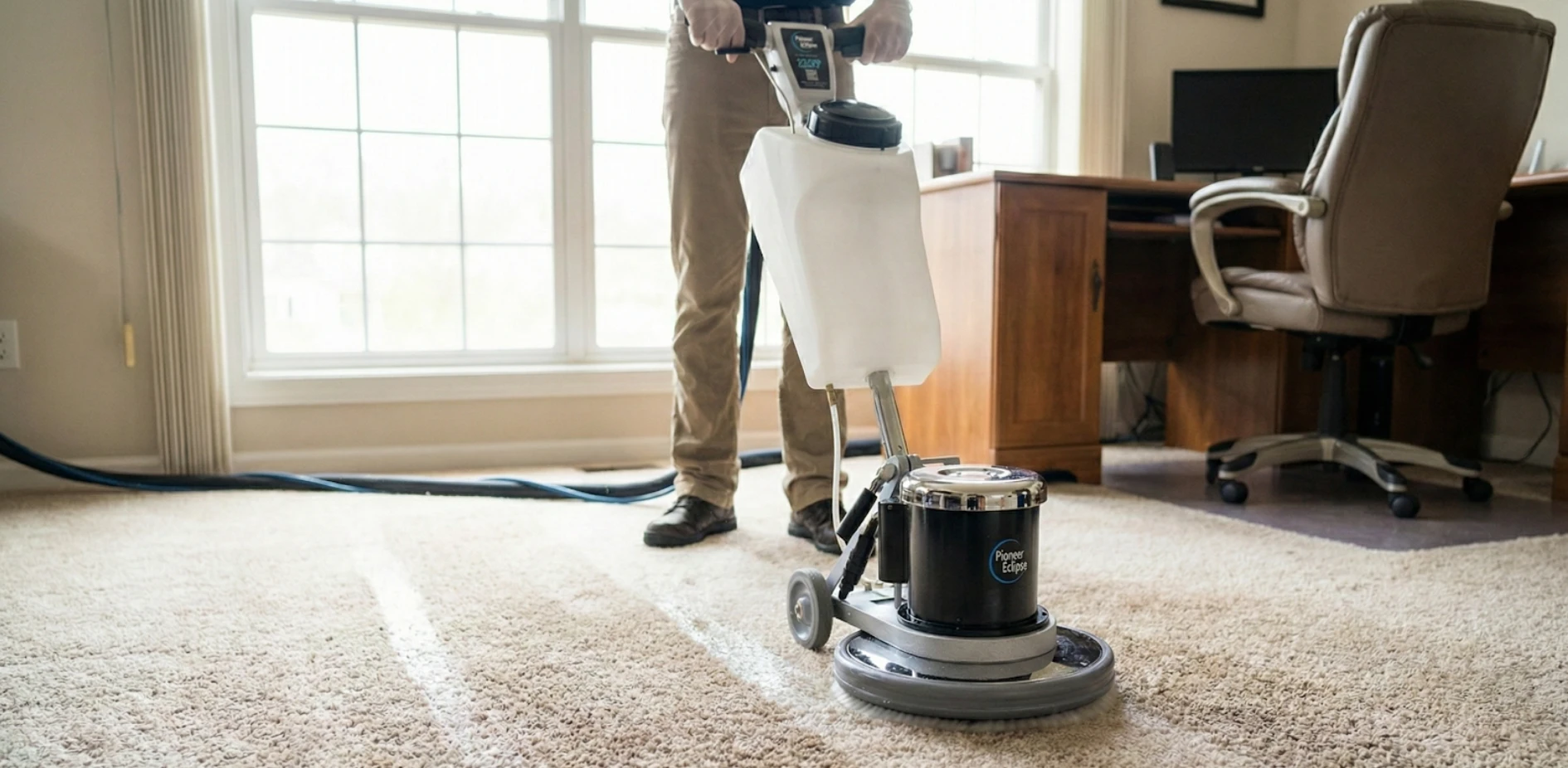
Keeping your carpet extractor clean after every use isn’t just a suggestion—it’s essential for performance, longevity, and hygiene. Each time you tackle dirty carpet, your machine picks up grime, old carpet shampoo, and bacteria that can linger and impact your next cleaning. Routine maintenance ensures your carpet cleaner runs smoothly, protects your investment, and guarantees your carpets remain truly fresh after every deep clean. Whether you’re cleaning high traffic areas in homes or commercial spaces, starting your next cleaning process with a spotless machine makes all the difference.
Understanding Your Carpet Extractor
Every part of a carpet cleaning machine—tanks, hoses, filters, brushes—plays a role in soil removal, soap distribution, and extracting as much moisture as possible from the wet carpet. Here’s why regular cleaning of each component matters:
- Clean water/solution tank: Holds cleaning solution or plain water for rinsing. Residue or buildup inside this water tank can contaminate the cleaning process, affecting the results on your entire carpet.
- Recovery/dirty water tank: Collects everything extracted from the carpet: dirt, debris, and soiled cleaning solution. Letting dirty water sit breeds bacteria and foul odors.
- Hoses and spray jets: Deliver the solution onto the carpet and extract dirty water. Clogs from leftover soap or debris reduce spray power and suction, making multiple passes less effective.
- Brushes and attachments: Agitate carpet fibers, helping to lift dirt. Soil, hair, and carpet fibers trapped in a brush roll or soft brush diminish cleaning performance.
- Filters and strainers: Prevent dirt and debris from damaging internal components. Clean filters help maintain strong suction and protect the pump sprayer.
Tools & Supplies You’ll Need
- Warm or hot water—crucial for dissolving soap and residue.
- Rinse solution or a mild detergent—gentle enough to avoid damaging machine parts but tough on dirt.
- Cleaning brushes and soft cloths—for scrubbing attachments and wiping exterior surfaces.
- A bucket or easy access to a sink—to rinse and soak components.
- A sanitizing product, like a carpet extractor-safe spray or a diluted white vinegar solution—for occasional sanitization.
Step-by-Step: Cleaning Your Carpet Extractor After Every Use
1. Turn Off and Unplug the Machine
Safety comes first every time you clean. Always disconnect the power cord before handling water, detergent, or any internal parts. Never risk electric shock or accidental machine operation during cleaning.
2. Empty and Rinse Tanks
Detach the clean water tank and the recovery (dirty water) tank. Dump out all water and residue; do not let dirty water sit overnight or between uses. Rinse both tanks thoroughly with hot water, swirling to dislodge any soap, grime, or debris clinging to the sides. Wipe down the inside with a soft cloth if residue persists, and be sure all the soap is gone before reassembly.
3. Flush the Solution Lines
Fill your clean water tank with more water—plain, not soapy. Turn the machine on (following manufacturer guidance), and run clean water through all solution lines and spray jets for 30–60 seconds. This step ensures lingering cleaning solution doesn’t dry inside hoses, which can cause blockages and impact the quality of your next carpet cleaning.
4. Clean Filters and Strainers
Locate and remove any filters or strainers in both tanks, hoses, or the base of the machine. Rinse thoroughly under running water or in a bucket, gently scrubbing with a soft brush if clogged. Clear filters ensure strong suction and protect internal components from excess dirt or hair.
5. Scrub Brushes and Nozzles
Remove brush rolls, scrubbing brushes, or other attachments. Wash them with warm water and a bit of gentle detergent; a soft brush helps dislodge soil, carpet fibers, and gunk caught in bristles or rollers. If your extractor’s nozzles or spray tips detach, soak and brush them to clear hidden clogs. Don’t forget to rinse off any soap thoroughly.
6. Sanitize Key Parts (If Needed)
Occasionally, especially after cleaning heavily soiled areas or high traffic zones, it’s a good idea to sanitize the water tanks, hoses, and attachments. Use a carpet extractor-safe disinfecting spray, a diluted white vinegar solution, or a product designed for soft materials. Spray or wipe on, let it sit per instructions, then rinse thoroughly to prevent chemical residue.
Note: Disinfecting is stronger than sanitizing but may require extra rinsing to avoid leaving behind substances that could harm carpet fibers during your next use. Be mindful: full disinfection of porous materials like hoses isn’t always practical, but regular attention keeps bacteria and odors in check.
7. Dry All Components Properly
Moisture trapped in tanks, hoses, or brushes becomes a breeding ground for mold and mildew. Allow every component—tanks, lids, attachments—to air-dry completely before storage. Place tanks upside down in a well-ventilated area and hang hoses to drain out as much water as possible.
8. Wipe Down the Exterior
Spray a soft cloth with water or mild cleaning solution and gently wipe down the outside of your extractor. Pay attention to connection points and wheels, removing any splashes of cleaning product or mud from your last floor cleaning session. Keep the power cord clean and untangled for the next use.
Why You Should Clean After Each Use
- Prevents bad odors and bacterial growth inside tanks and hoses, which otherwise linger and transfer to the next clean carpet.
- Keeps the suction and spray system operating at peak efficiency, so the carpet cleaning machine consistently extracts as much moisture and residue as possible.
- Cuts costly repairs by preventing blockages, clogs, and buildup that can wear down pumps, hoses, and brushes.
- Ensures you’re not spreading dirt or contaminants onto clean carpet during future uses.
Can You Sanitize or Disinfect Your Carpet Extractor?
It’s important to understand what cleaning, sanitizing, and disinfecting actually mean for carpet extractors and your carpets. Cleaning removes physical dirt and debris from both the machine and your carpet. Sanitizing goes a step further, reducing—but not eliminating—microbes on rinse-contact surfaces like tanks and hoses. Disinfecting typically involves using chemicals that kill a wider range of pathogens, but most disinfectants are designed for hard, non-porous surfaces—not the porous fabric of carpet fibers or hoses.
You cannot fully disinfect a carpet like you would a countertop, but you can sanitize carpet extractor parts to minimize bacteria and odors. Always rinse away chemicals that aren’t specifically designed for use with carpet cleaning machines to avoid residue transfer to your next project.
Common Mistakes to Avoid
- Never leave dirty water in the recovery tank after use—it quickly becomes a source of unpleasant odor and bacteria.
- Don’t skip flushing the solution lines; leftover soap and solution are primary causes of blockages and reduced spray power.
- Avoid harsh chemicals or strong household cleaners; they can damage sensitive parts, seals, and hoses.
- Don’t overlook filters, hoses, or small nozzles—these small components have a big impact on cleaning effectiveness.
Weekly and Periodic Maintenance Tips
Every few uses or at least weekly, dedicate extra time to deeper maintenance:
- Inspect hoses and connections for cracks, leaks, or clogs. Replace any damaged parts to maintain a reliable cleaning process.
- Soak hoses and tanks with a diluted white vinegar solution, then rinse well to prevent mineral or chemical buildup.
- Lubricate moving parts like wheel axles or latches as recommended in your carpet cleaner’s manual.
- Examine brush rolls, soft brush attachments, and filters for excessive wear and replace as needed to maintain contact with carpet fibers and guarantee effective soil removal.
- Vacuum the exterior and all hard-to-reach crevices to keep dirt from migrating inside once the machine is back in action.
Why Routine Carpet Extractor Cleaning Is Essential for Long-Term Performance
Cleaning your carpet extractor after every use is the simplest way to guarantee professional results and protect your investment. By following these actionable steps—emptying the dirty water tank, flushing hoses, cleaning and drying all parts, and using proper solutions—you keep your machine running at peak power and your carpets looking and feeling their best every time. Establishing this cleaning routine ensures that each pass over the same area is as effective as the first, whether you’re using soap or hot water for deep cleaning or plain water for a rinse. By maintaining your equipment properly, you extend its lifespan, optimize every cleaning solution, and create sparkling clean areas across every floor you encounter.