Floor Cleaning Challenges in Retail Stores and Shopping Centers and How to Overcome Them
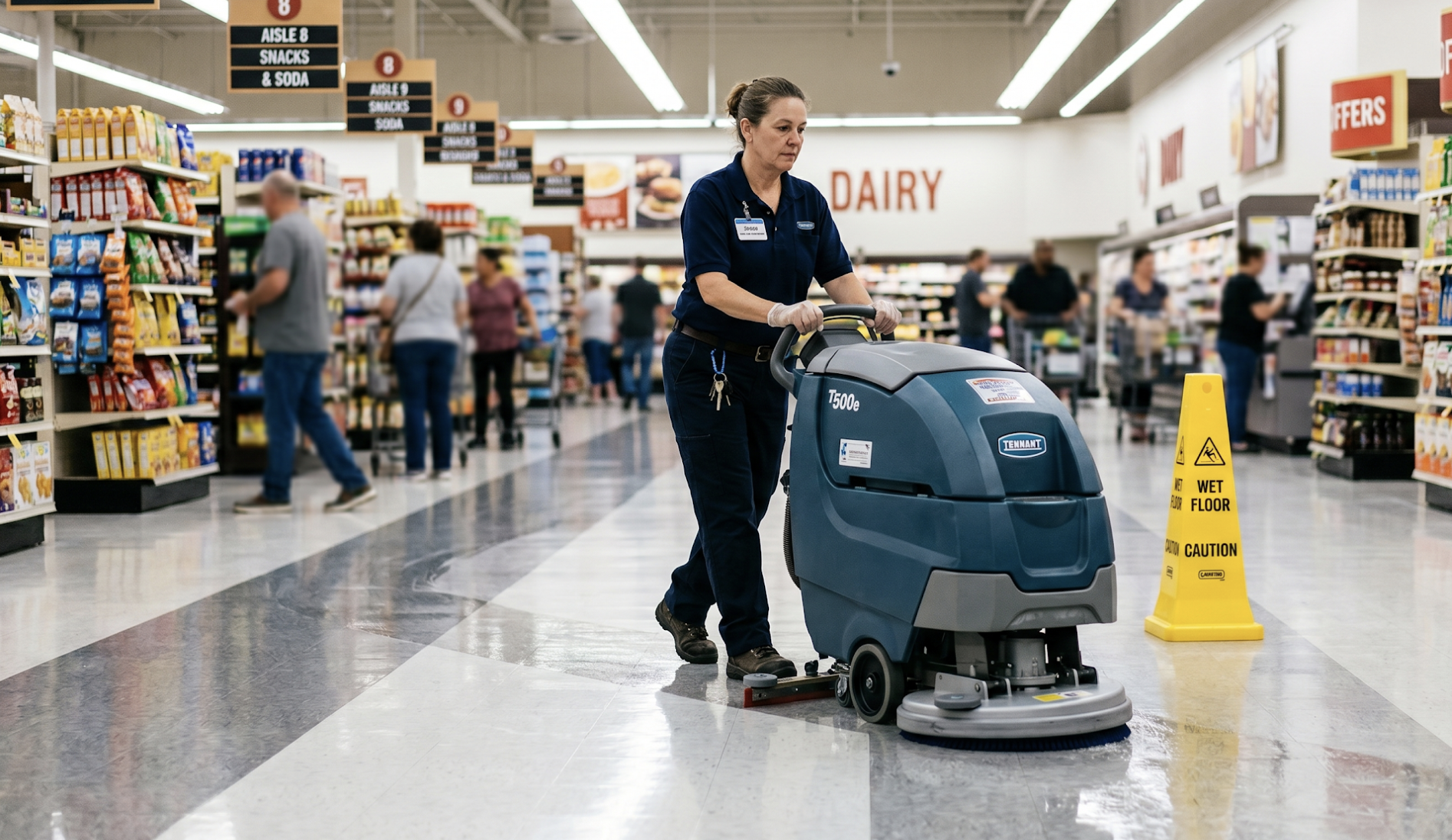
Retail stores and shopping centers face a unique set of floor cleaning challenges that most other commercial environments simply do not. Between constant foot traffic, spills, multiple flooring types, and the need to stay open and operational during cleaning, keeping floors clean is a continuous and demanding task. This guide breaks down the most common floor cleaning challenges in retail environments and provides practical solutions for each one, including the right equipment to get the job done.
Why Floor Cleanliness Is Critical in Retail Stores and Shopping Centers
Customers form their first impression of a store the moment they walk through the door, and floors are one of the first things they notice. A clean floor signals that a store is well-managed, hygienic, and worth shopping in. Studies have shown that a significant majority of customers will not return to a store they perceive as dirty. Beyond customer perception, dirty or wet floors create serious slip-and-fall hazards that expose retailers to liability. For food-adjacent retailers and grocery stores, floor cleanliness is also tied to health department compliance, which means failing to meet standards can result in fines, failed inspections, or forced closures.
Challenge 1: Managing Heavy Foot Traffic Throughout the Day
Why High Foot Traffic Makes Floor Maintenance So Difficult
Retail floors, especially in shopping centers and big-box stores, absorb an enormous volume of foot traffic every single day. Each person who walks through the door tracks in dirt, moisture, and debris from outside. Over the course of a full operating day, this accumulates quickly. The problem is compounded during peak shopping seasons like back-to-school and the holiday period, when store volume spikes dramatically and cleaning staff cannot keep up using manual methods alone.
How to Keep Floors Clean During Business Hours
The most effective solution is a combination of preventive measures and automated equipment. Placing high-quality absorbent floor mats at every entrance reduces how much dirt and moisture gets tracked onto the main floor in the first place. From there, scheduled scrubbing passes using a walk-behind or ride-on floor scrubber allow cleaning staff to maintain floor hygiene throughout the day without shutting down sections of the store for extended periods. The key is building a cleaning schedule that accounts for peak traffic hours and assigns scrubbing passes during slower periods.
Challenge 2: Multiple Flooring Types Requiring Different Cleaning Methods
One of the most overlooked cleaning challenges in retail floor care is the fact that most stores contain more than one type of flooring. A single location might have vinyl composition tile (VCT) in the main shopping area, polished concrete in a warehouse or back-of-house zone, hardwood or laminate in a boutique section, and carpet in fitting rooms or customer lounge areas. Each surface has its own cleaning requirements, and using the wrong method or product on the wrong surface can cause lasting damage.
Tile and Vinyl Composition Tile (VCT)
VCT is the most common flooring type in grocery stores and large-format retailers. It is durable but porous, which means it requires a proper wax finish to protect the surface and maintain its appearance. Auto scrubbers with soft to medium-duty pads are the standard tool for routine maintenance. Over time, wax layers build up and yellow, requiring a full strip-and-recoat process using a floor stripper and a fresh application of floor finish.
Concrete Floors
Polished or sealed concrete is increasingly common in modern retail environments. It is highly durable and relatively easy to maintain with a floor scrubber and a neutral pH cleaner. Unsealed concrete, however, is porous and can absorb spills and stains permanently if not treated promptly. Periodic buffing or burnishing helps maintain the shine and seals minor surface abrasions before they become visible wear patterns.
Hardwood and Laminate
Hardwood and laminate require the most careful approach. Excessive moisture is the primary enemy of these surfaces, which means traditional wet scrubbing methods are off the table. Low-moisture flat mops, microfiber pads, and specialized wood floor cleaners are the tools of choice. When using a floor machine on wood or laminate, it must be set to a low-moisture output with a dry or lightly damp pad.
Carpet Zones
Carpet is often found in smaller specialty retail stores, fitting rooms, and customer service areas within larger stores. It traps dirt and allergens more aggressively than hard floors and requires regular vacuuming as part of daily maintenance. Periodic deep cleaning using an encapsulation method or hot water extraction is necessary to lift embedded soiling and prevent odors, especially in high-traffic carpet zones.
Challenge 3: Spills and Slip Hazard Prevention
The Safety Risk Behind Untreated Spills
Spills in retail environments are inevitable. Whether it is a dropped beverage near a checkout area, a product leak in a grocery aisle, or tracked-in rain water at an entrance, wet floors create immediate slip hazards. According to the National Safety Council, more than 25,000 slip-and-fall accidents occur every day in the United States. Spills are a leading contributor to workers compensation claims and emergency room visits in retail settings, which means they cannot be left unattended under any circumstances.
Rapid Response Cleaning Protocols
Every retail operation needs a clear spill response protocol that assigns responsibility and outlines the steps for immediate cleanup. This includes placing wet floor signage around the affected area immediately, absorbing the liquid with a mop or absorbent material, and following up with a spot scrub to remove any residue. When spills occur frequently in the same zones, it is a sign that the overall floor cleaning schedule needs to be adjusted or that a dedicated cleaning presence is needed in that area during operating hours.
Choosing Floor Scrubbers with Strong Water Recovery
One underappreciated factor in spill and slip prevention is the water recovery capability of the floor scrubber itself. A machine with poor vacuum suction leaves behind a thin layer of moisture that can be just as hazardous as the original spill. When selecting a floor scrubber for a retail environment, water recovery rate and squeegee efficiency are critical specifications. Low-foam and detergent-free cleaning solutions also help reduce slippery residue and minimize the wet-floor window after each pass.
Challenge 4: Maintaining Entryways and High-Traffic Transition Zones
Why Entryways Are the Most Neglected Area
Entryways take more abuse than any other zone in a retail store, yet they are frequently left out of daily cleaning SOPs or assigned to a shared zone that nobody takes clear ownership of. In shopping centers and malls, entrance areas are sometimes treated as common space and fall between the responsibilities of individual retailers and property management. The result is a visibly dirty first impression that affects every customer before they even enter the store.
Preventive Matting Systems
The most cost-effective solution for entryway floor care is a quality matting system. Floor mats capture dirt, grit, and moisture before they reach the main floor surface. Industry guidance suggests that a mat run of at least ten to fifteen feet is needed to adequately clean the soles of a person's shoes as they walk in. Mats need to be cleaned regularly themselves, as a saturated or heavily soiled mat can actually transfer more dirt onto the floor than it collects.
Routine Scrubbing Schedules for Entries and Corridors
Beyond matting, entryways and main corridor zones in shopping centers need their own dedicated scrubbing passes. A compact walk-behind scrubber is typically the right tool for vestibule and entrance areas, as ride-on machines are too large for these confined spaces. During rainy or muddy seasons, the frequency of these passes should increase to compensate for the additional moisture and soil being tracked in.
Challenge 5: Cleaning Under and Behind Shelving, Displays, and Fixtures
Hidden Debris Buildup and What It Causes
In any retail store, there are dozens of areas where debris accumulates out of sight: underneath gondola shelving, behind display areas and cases, along base moldings, and under refrigerated units. Because this debris is not visible to customers or managers during routine walkthroughs, it is easy to postpone cleaning these areas indefinitely. Over time, the buildup creates pest attraction points, accelerates floor surface degradation, and produces odors that customers can detect even if they cannot see the source.
Equipment Recommendations for Tight Spaces
Standard ride-on scrubbers cannot access these areas. The right tools for under-shelf and tight-space cleaning are compact walk-behind scrubbers with narrow cleaning heads, or detail scrubbers with side-brush attachments designed to clean along edges and into corners. A scheduled deep-clean rotation, at minimum monthly, should include moving or cleaning under major fixtures to clear accumulated debris from these hidden zones.
Challenge 6: Floor Mat Cleaning and Maintenance
Why Floor Mats Become a Problem if Ignored
Floor mats that are exposed to moisture will become slick and slimy over time, which defeats their entire purpose as a safety and dirt-collection tool. A heavily saturated mat can become a slip hazard in its own right. Despite this, floor mat cleaning is one of the most commonly deferred maintenance tasks in retail environments, largely because proper washing requires dedicated equipment and, in some jurisdictions, specific drainage permits for soap discharge.
Proper Mat Washing Procedures and Compliance Considerations
Mats should be removed and cleaned on a regular schedule, with frequency depending on foot traffic volume and weather conditions. The cleaning method depends on the mat type, but generally involves a thorough rinse and scrub to remove embedded grit and biological residue. Facilities should confirm local wastewater regulations before washing mats with soap outside, as some counties require a permitted drain for soapy runoff. Establishing a documented mat rotation schedule ensures the task does not get skipped during busy periods.
Challenge 7: Floor Wax Buildup and Finish Degradation
How Traffic Wears Down Floor Finish on VCT and Hard Floors
Floor finish on VCT and similar surfaces does two important things: it protects the underlying tile from abrasive soils and it creates the high-gloss appearance that most retailers expect from their floors. Under heavy retail foot traffic, this finish layer breaks down unevenly. High-traffic lanes develop dull, scuffed-looking paths while lower-traffic areas retain their shine. Over time, repeated applications of new finish without removing old layers cause a yellow or brown discoloration that no amount of buffing can correct.
Strip, Scrub, and Recoat Cycles
Restoring a floor that has reached this point requires a full strip-and-recoat process. A chemical floor stripper is applied to dissolve the old finish layers, and a scrubber or low-speed floor machine with a stripping pad removes the softened material. Once the floor is stripped down to bare tile, clean water rinses are essential before any new finish is applied. Fresh finish is then laid in multiple thin coats, allowing drying time between each one. Between full strip jobs, regular buffing or burnishing with a high-speed floor machine maintains the surface gloss and extends the interval between strips.
Challenge 8: Cleaning During Business Hours Without Disrupting Shoppers
Scheduling Cleaning Around Peak and Off-Peak Hours
Most floor cleaning tasks in retail are performed after hours, but relying entirely on overnight cleaning is not always sufficient for high-traffic environments. Daytime maintenance passes are often necessary to address spills, scuff marks, and soil accumulation that builds up over the course of a shopping day. The challenge is doing this without blocking aisles, creating slip hazards, or drawing complaints from customers. The solution is a combination of smart scheduling and the right equipment, with daytime passes timed to off-peak windows such as early morning, midweek midday hours, or just before closing.
Equipment That Minimizes Noise and Wet Floor Downtime
For daytime scrubbing passes in occupied retail environments, noise level and fast-dry performance are the top equipment priorities. Modern floor scrubbers with high-efficiency vacuum motors and optimized squeegee designs leave floors dry within seconds of the cleaning pass, dramatically reducing the wet-floor window and the time staff need to maintain safety signage. Battery-powered machines eliminate exhaust and reduce operational noise compared to propane or corded alternatives, making them far more appropriate for use around customers.
The Right Floor Cleaning Equipment Makes All the Difference
Having the right machine for the job is what separates a reactive, always-catching-up cleaning operation from a proactive one that keeps retail floors consistently clean and safe. Here is a breakdown of the core equipment categories every retail or shopping center cleaning program should consider.
Walk-Behind Floor Scrubbers for Mid-Size Retail Spaces
Walk-behind scrubbers are the workhorse of retail floor care. They are compact enough to navigate store aisles and tight entryways while still covering significant square footage per hour. They scrub, apply solution, and recover dirty water in a single pass, which is far more effective and efficient than mopping. Walk-behind models are ideal for stores ranging from a few thousand to roughly thirty thousand square feet, depending on layout complexity. If you want a deeper look at how these machines work and when to use them, the PS Janitorial guide on walk-behind floor scrubbers is a good reference.
Ride-On Floor Scrubbers for Large Format Stores and Shopping Centers
For large-format retailers, hypermarkets, and open shopping center corridors, ride-on scrubbers dramatically reduce the labor time required to clean expansive floor areas. An operator can cover significantly more square footage per hour on a ride-on machine than on a walk-behind, which is essential when cleaning needs to be completed within a defined overnight or off-peak window. Ride-on scrubbers also reduce operator fatigue, which directly affects cleaning quality and consistency over a full shift. Not sure which type fits your operation? The walk-behind vs. ride-on comparison breaks down the decision by floor size, budget, and layout.
Floor Buffers and Burnishers for Finish Maintenance
High-speed burnishers and rotary floor buffers are used between full scrubbing passes to restore and maintain the shine on waxed hard floors. Burnishers spin at high RPM to bring out a wet-look gloss from the floor finish layer without applying any additional product. Regular burnishing extends the life of the finish coat and reduces the frequency of full strip-and-recoat jobs, which are time-consuming and require the store to be closed or partially closed during the process.
Vacuum Cleaners and Sweepers for Daily Dry Debris Pickup
Before scrubbing, loose debris needs to be cleared from the floor surface. Scrubbing over dry debris can scratch hard floor finishes, clog squeegees, and reduce the effectiveness of the cleaning solution. Walk-behind or ride-on floor sweepers, vacuum cleaners, or combination sweeper-scrubbers handle this step efficiently as part of a daily cleaning pass. In retail environments with heavy particulate soil such as garden centers, lumber departments, or outdoor goods sections, a dedicated sweeping pass is essential before any wet cleaning begins.
Building a Floor Cleaning Schedule That Works for Retail
Consistent floor cleanliness in retail does not happen by accident. It requires a documented schedule that assigns tasks, frequencies, and responsible parties for every zone in the facility. Here is a general framework that can be adapted to the size and type of any retail operation.
Daily Cleaning Tasks
Daily tasks should cover every customer-facing floor surface and include sweeping or dust-mopping to remove loose debris from all hard floor areas, scrubbing or damp-mopping main aisles and high-traffic zones, addressing spills or stains immediately as they occur, vacuuming all carpeted areas, cleaning entry mats and checking their condition, and wiping down floor-level fixtures or display bases that collect visible soil throughout the day.
Weekly Deep Cleaning Tasks
Weekly tasks go deeper than daily maintenance and include scrubbing the full floor footprint including low-traffic areas that are missed during daily passes, cleaning under and around shelving units and display fixtures, burnishing or buffing waxed hard floors to restore finish gloss, washing and inspecting all entry mats, spot-stripping any areas where floor finish has heavily yellowed or built up, and cleaning floor drains in food service or grocery zones.
Monthly and Seasonal Floor Maintenance
Monthly and seasonal maintenance addresses the tasks that protect long-term floor integrity. This includes a full strip-and-recoat cycle on VCT and waxed hard floors as needed based on finish condition, deep cleaning of concrete floors with a degreasing scrub, inspection of all floor surfaces for cracks, chips, or damage that needs repair before it worsens, and an increase in entryway and mat cleaning frequency during wet or muddy weather seasons. Before major shopping periods like the holiday season, a full deep clean of the entire floor footprint ensures the store is in optimal condition before foot traffic peaks.
Get the Right Equipment for Every Retail Floor Cleaning Challenge
Every challenge covered in this guide comes back to the same core principle: the right equipment, used consistently on a documented schedule, is what keeps retail floors safe, clean, and customer-ready. No single machine solves every problem, but a well-matched combination of walk-behind scrubbers for tight spaces, ride-on scrubbers for large open areas, buffers and burnishers for finish maintenance, and sweepers for pre-clean debris removal gives your team everything it needs to stay ahead of foot traffic, spills, and surface degradation.
If you are evaluating equipment for a new retail location or looking to replace aging machines that are no longer keeping up with demand, PS Janitorial carries both professionally refurbished floor cleaning machines and new units across every major category. Refurbished options go through a rigorous multi-point inspection process and deliver the same cleaning performance as new machines at a significantly lower cost, which matters when you are equipping multiple store locations or managing a tight facilities budget.
The floor cleaning challenges in retail stores and shopping centers are ongoing, but they are manageable with the right tools in place. Browse the full range of commercial floor machines at PS Janitorial to find the equipment that fits your space, your schedule, and your cleaning standards.
Frequently Asked Questions About Retail Floor Cleaning
What floor scrubber is best for a retail store?
The right scrubber depends on the size of the space. Walk-behind scrubbers are ideal for stores up to around thirty thousand square feet with standard aisle widths. Larger stores and shopping centers benefit from ride-on scrubbers that cover more ground per hour with less operator effort. Key features to prioritize for retail use include strong water recovery, low noise output, and easy pad and squeegee replacement.
How often should retail floors be scrubbed?
High-traffic retail floors should be scrubbed at minimum daily, with some zones like entryways and checkout areas requiring multiple passes per day. Lower-traffic areas can be scrubbed on a less frequent schedule, but should be included in at least a weekly full-floor pass.
What is the best way to clean high-traffic store entryways?
A layered approach works best. Start with a quality matting system that captures dirt and moisture before it reaches the main floor. Supplement this with a compact walk-behind scrubber pass at the start of each day and additional passes during or after inclement weather. Entryways should be on their own cleaning assignment, separate from main-floor tasks, to ensure they do not get deprioritized.
How do you clean floors in a busy store without closing?
Use battery-powered floor scrubbers with fast-dry squeegee systems that minimize the wet-floor window after each pass. Schedule cleaning during off-peak hours such as early mornings or midweek midday windows. Use clearly visible wet floor signage and clean in sections rather than blocking full aisles at once. Train staff on daytime cleaning protocols that minimize customer disruption.
What causes floor finish to yellow or peel in retail environments?
Yellowing is typically caused by repeated application of new finish coats over old ones without stripping between cycles. Over time, old finish layers oxidize and discolor. Peeling occurs when finish is applied over a surface that was not properly cleaned or rinsed, causing poor adhesion. The solution is a full strip-and-recoat process that removes all old finish before fresh coats are applied.
How do floor scrubbers improve safety in retail stores?
Floor scrubbers remove water, cleaning solution, and contaminants from the floor surface in a single pass, leaving a significantly drier and cleaner surface than mopping. This directly reduces slip-and-fall risk by eliminating the residual moisture and soapy film that mops leave behind. Scrubbers with high-efficiency water recovery systems are especially important in food retail environments where spills and liquid contamination are frequent.