Floor Cleaning Challenges in School Cafeterias and How to Handle Them
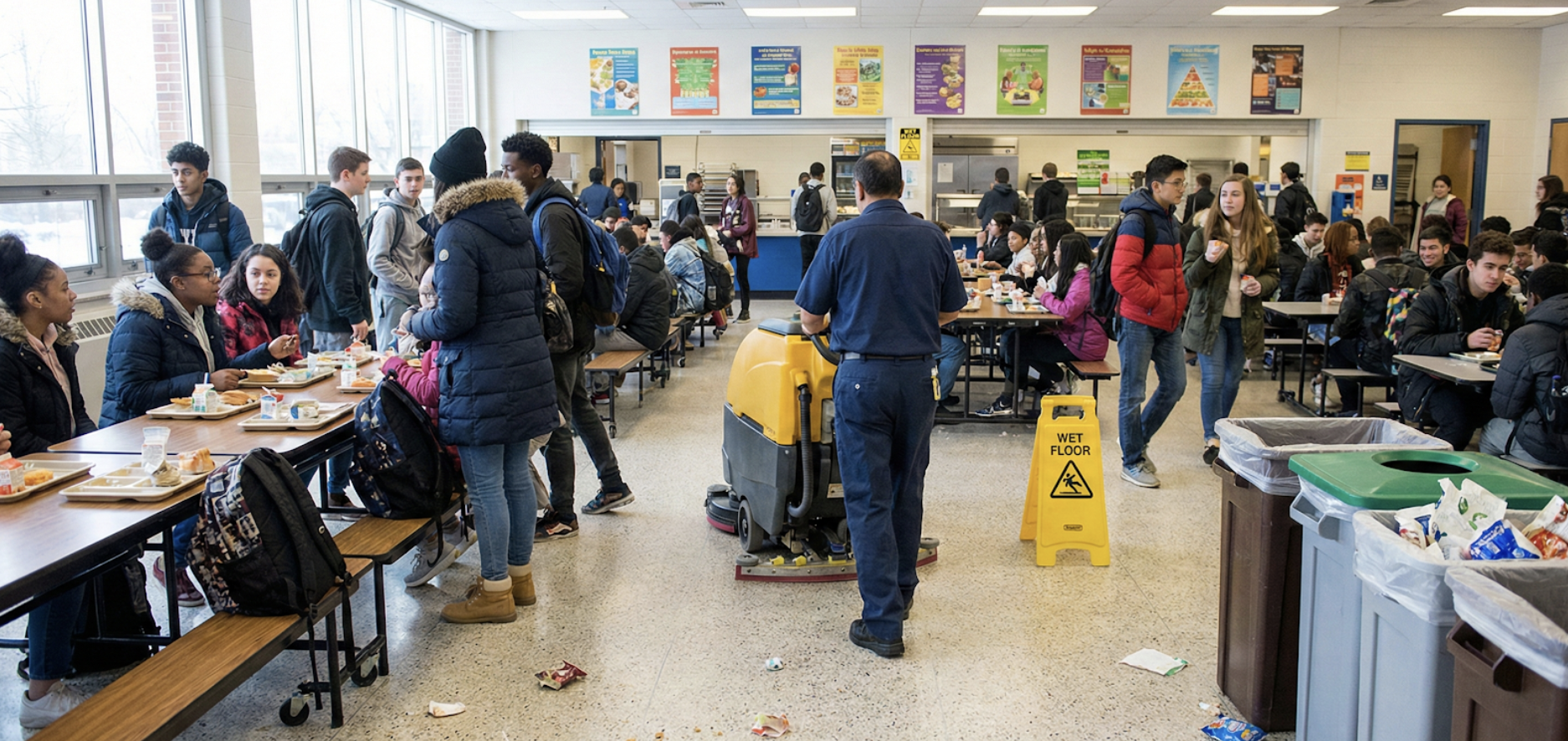
School cafeterias present a set of unique cleaning challenges unlike any other area in a school environment. With an active student body, bustling lunch periods, and a space where food, beverages, and people constantly intersect, maintaining cleanliness on cafeteria floors can seem overwhelming. These areas are high traffic spaces, prone to frequent spills, stains, and wear—demanding a strategic approach to floor care that considers hygiene, safety, and practicality. Proper care is not only essential for a clean appearance, but also for preventing slips, supporting indoor air quality, and meeting the high standards expected in school environments.
Understanding Cafeteria Floor Challenges
High Foot Traffic and Constant Wear
Cafeteria floors endure the relentless movement of hundreds or thousands of students daily. During lunch periods, school floors accumulate dirt, dust, and grit—the result of shoes hiking in debris from outdoors, sports, and classroom transitions. Over time, this persistent abrasion leads to scuffing and accelerated deterioration of floor surfaces. In high traffic areas, keeping school floors clean isn’t just about aesthetics; it preserves your investment in flooring and plays a key role in safety.
Food and Liquid Spills
Few spaces see the variety and frequency of spills found in school cafeterias. From juice and milk to greasy sauces and condiments, each has the potential to stain, create slip hazards, and encourage pest issues. A lingering spill can seep into grout or seams, or leave a sticky residue, attracting ants or bacteria and undermining indoor air quality. Swift, systematic response is necessary to manage spills and prevent minor messes from becoming major problems.
Safety Risks from Slips, Falls, and Grease
Wet and greasy floors are among the leading causes of slip-and-fall accidents in school settings. When liquid residue or greasy food is left unattended on floor surfaces—even briefly—students, staff, and visitors are at greater risk for injury. Beyond physical harm, these incidents can result in lost instructional time, parental concerns, and added administrative work. Implementing efficient floor cleaning equipment and robust cleaning protocols is fundamental to minimizing risk.
Equipment Limitations and Staffing Constraints
School cleaning teams often face constraints that go beyond the mess itself. Understaffed facilities may struggle to manage large open cafeterias during tight, rotating lunch shifts. Limited budgets sometimes result in outdated cleaning equipment that cannot keep up with demand or reach hard-to-access spots. These conditions underscore the need for a realistic, prioritized floor cleaning plan that factors in available resources and the scope of each day’s cleaning challenges.
Developing an Effective Cafeteria Floor Cleaning Strategy
Create and Follow a Consistent Cleaning Plan
A comprehensive floor cleaning plan mapped to the realities of your cafeteria is essential. Scheduling cleaning rounds before, during, and after meal periods enables you to handle messes efficiently and maintain proper hygiene throughout the day. Consistent routines ensure that no area is overlooked—even in the rush of a busy afternoon. Clearly defined responsibilities for each cleaning shift make it easier for custodial staff to meet expectations, particularly in high foot traffic periods.
Daily Tasks vs. Periodic Maintenance
- Daily sweeping or dust mopping should target obvious crumbs and debris, especially under tables and in walkways.
- Wet mopping after lunch service removes sticky residues and reduces slip risk for the next group.
- Weekly scrubbing, often with machine-assisted floor cleaning equipment, cuts through dirt build-up in hard to reach spaces.
- Periodic deep cleaning during weekends or school breaks restores floor finishes, removes embedded grime, and rejuvenates the flooring for long-term durability.
Use the Right Cleaning Equipment for Cafeteria Floors
Choosing suitable cleaning equipment is critical to match the scope of your floor cleaning plan. Large floor scrubbers are ideal for open cafeteria areas, efficiently covering broad swathes of floor in less time than manual mopping. Microscrubbers or robotic scrubbers, meanwhile, excel at cleaning tight areas or around fixed furniture, ensuring every corner is reached. Utilizing equipment matched to your cafeteria’s layout and size reduces labor and realizes a consistently high standard of cleanliness.
Choosing Floor-Friendly Cleaning Products
Not all cleaning solutions are created equal—particularly in environments where students eat, play, and socialize. Select neutral pH cleaners and food-safe products to preserve floor finishes while ensuring student safety. Avoiding harsh chemicals is vital: aggressive detergents may erode protective coatings, deteriorate flooring materials, and compromise indoor air quality. Using appropriate, environmentally conscious cleaners protects both your floors and your learning environment.
Maintenance of Cleaning Equipment
- Inspect and service scrubbers and buffers to prolong their lifespan.
- Charge equipment batteries nightly to prevent downtime.
- Rinse pads and brushes, and empty recovery tanks daily to avoid malodors or cross-contamination.
A proactive approach to maintenance saves on repairs and supports efficient daily cleaning operations.
Key Techniques for Handling Cafeteria-Specific Problems
Quick Spill Response Protocols
Time is of the essence when addressing cafeteria spills. Train staff and even student volunteers to spot and report messes immediately. Clear, simple protocols—such as “see a spill, stop and clean”—empower your team to rapidly respond, preventing stains and slip risks. Keeping spill kits or mobile cleaning carts accessible further shortens response time and minimizes disruption to lunch service.
Strategic Placement of Trash and Recycling Bins
A small but impactful strategy is the thoughtful placement of trash and recycling bins throughout your cafeteria. By situating bins near entrances, serving lines, and exits, you drastically reduce stray litter and spilled food. This not only keeps high traffic areas cleaner, but also speeds later cleaning and reinforces a culture of proper hygiene and responsibility among students.
Matting Systems to Control Debris and Liquids
Floor mats placed at cafeteria entrances and transition zones are a first line of defense against tracked-in dirt and moisture. Matting systems capture food particles and liquids from shoes before they spread across larger floor areas. Consistently cleaning and rotating mats enhances their effectiveness and helps preserve overall floor cleanliness.
Staff Training and Cleaning Best Practices
Regular, ongoing training for custodial staff is necessary to maintain high standards. Training should cover the safe and effective use of cleaning equipment, proper chemical handling, updated safety protocols, and rapid post-meal assessments. Developing a shared understanding of key challenges and practical solutions ensures your team is prepared for the dynamic environment of cafeteria cleaning.
Additional Considerations for Cafeteria Floor Care
Allergen and Hygiene Concerns
Protecting students with food allergies should be a primary focus in your floor care routines. Residual crumbs or splashes from common allergens (like nuts, dairy, or gluten) can pose health risks long after lunch is over. Effective cleaning of school floors helps prevent allergen buildup, reduces risk of cross-contamination, and contributes to a safer cafeteria experience. Similarly, diligent cleaning mitigates risks from foodborne bacteria, underlining the critical importance of maintaining cleanliness in these shared spaces.
Adjusting for Seasonal Conditions
Changing weather compounds many cafeteria cleaning challenges. Rain, snow, and salt tracked in from outside require seasonal adjustments to your floor cleaning plan. Incorporate wetter mopping cycles, adjust matting strategies, and plan spot cleanings during peak seasons to minimize moisture and grime buildup. Proactively managing these variables helps keep floor surfaces safe and attractive year-round.
Case Studies and Real-World Insights
Many schools successfully navigate cafeteria cleaning by adopting innovative solutions and learning from common issues. For example, some districts have introduced robotic floor scrubbers to handle large areas quickly, while others empower student-led cleanup teams to bolster limited custodial resources. School custodians frequently cite the importance of routine deep cleaning and responsive spill management in reducing complaints and injuries. Documenting successes, challenges, and feedback from custodial experts provides ongoing insights for evolving your own cafeteria care strategies.
Expert Tips for Maintaining Clean and Safe School Cafeteria Floors
Cafeteria floor care in schools is a multifaceted challenge demanding a consistent, proactive, and practical approach. Recognizing and planning for high foot traffic, frequent spills, and staffing realities supports both safety and proper hygiene. By implementing an effective cleaning plan, choosing the right cleaning equipment and products, and prioritizing staff training and equipment maintenance, you can confidently address the unique cleaning challenges of school cafeterias. Keep your floors clean, safeguard your students and staff, and elevate your school environment with informed, actionable solutions.
Need Reliable Floor Cleaning Equipment?
At PS Janitorial, we know that the challenges of school cleaning are anything but simple. That’s why we offer a full selection of high-performance floor scrubbers, buffers, and floor cleaning equipment—including both new floor machines and expertly refurbished floor machine options to fit your needs and budget. Contact our knowledgeable team for personalized advice and support—together, we’ll help you keep your school floors clean, safe, and ready for every student, every day.