
Floor Sweepers Troubleshooting: Common Problems & Fixes
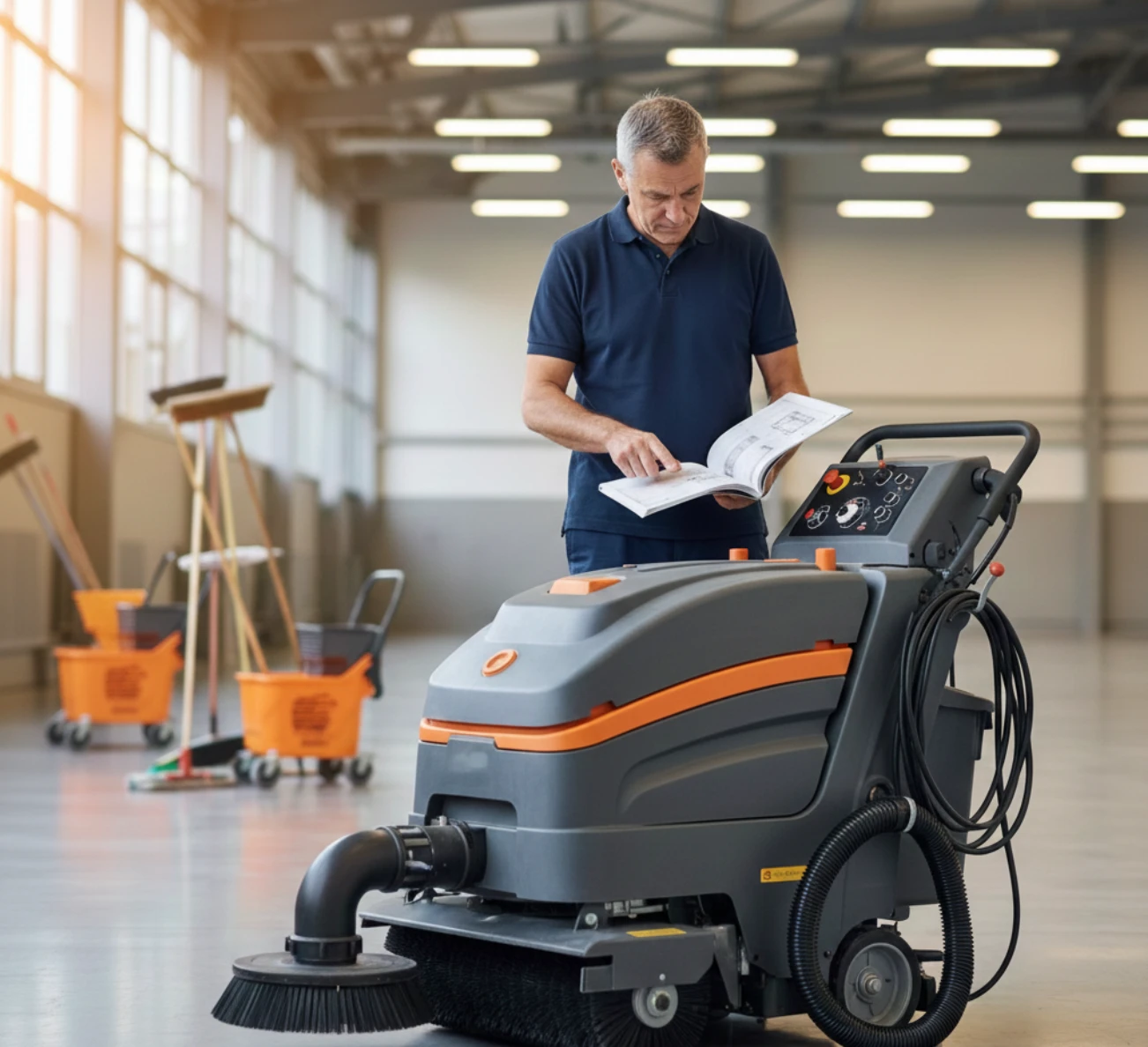
Keeping your facility spotless isn’t a walk in the park. Floor sweepers are your frontline soldiers in the janitorial battle, helping your cleaning staff maintain that shining look we all strive for. But what happens when they sputter, stall, or just refuse to cooperate? It can seriously throw a wrench in your cleaning efficiency and mess with your schedule. That’s where we come in. Consider this your go-to troubleshooting compass, designed to help you navigate common floor sweepers issues, nip problems in the bud, and keep your equipment running smoothly without breaking your back—or the bank.
Common Floor Sweeper Problems
1. Floor Sweeper Does Not Turn On
Now, this one’s a classic headache that many of us have faced. The culprit? Usually, it's your power source playing hard to get. If you’re working with a cord-electric floor sweeper, the first thing to do is to double check the power cord. You’d be surprised how often it’s the simple stuff—like a power cord that’s barely hanging in there or a plug that’s not fully seated in the power outlet. We’ve seen cords so frayed they could talk back. Don’t ignore wear and tear; a damaged power cord isn’t just a pain—it’s a safety hazard.
Battery-powered models come with their own quirks. A loose connection or corroded terminal can be a silent culprit ruining your day. And when was the last time you checked the charge on those lead acid batteries? Running on empty won't do anyone any favors. A quick plug-in recharge could save the day.
Fuel-powered machines? Well, if they won’t start—it might just be a thirsty engine screaming for a fill-up. Overheated engines are another sneaky issue; sometimes, your sweeper simply needs a breather before it’s ready to roll again.
Oh, and let’s not forget the safety switches—those little fellas sometimes prevent operation if the debris tray is full. It’s the machine’s way of saying, “Empty me out before you make me work!” If you’ve crossed all these off your checklist and the sweeper is still silent, calling in a certified technician might be your best bet.
2. Main Brush Not Spinning Properly
When the main brush isn’t spinning right, your floors aren’t going to get the clean they deserve. Most often, debris gunking up the brush or belt is the pesky offender. Take a moment to remove debris—strings, hair, dust bunnies, you name it—they don't discriminate. Sometimes, the belt’s tension or size might be off. Adjust that belt with a little TLC, following the user manual, so your main brush can dance as it should.
Don’t forget to peek at the control panel. Sometimes safety switches can cut off brush power if the machine senses something off. If all else fails and you’ve given your sweeper the full spa treatment but no improvement, professional help isn’t a sign of weakness; it’s smart maintenance.
3. Machine Sweeps Unevenly
Uneven floors are a beast by themselves. Add a misaligned brush to the mix, and you’re looking at patchy cleaning that’s more frustrating than a leaky faucet. Ensure the main brush’s alignment is on point—refer back to that trusty user manual if needed. If you’re grappling with a space that has lots of uneven floors, slow down your pace to give the machine a fighting chance. It’s about working smarter, not harder.
4. Side Brush Ineffective
Side brushes are your sweepers’ secret weapon for corners and edges—but only if they’re set up properly. Bristle height that’s too low or too high can render the side brush about as effective as a screen door on a submarine. Adjust that height so the bristles barely kiss the floor—enough to gather debris without unnecessary wear.
5. Drive System Not Working
Can’t move forward? That’s a problem—and likely a belt issue. A loose or broken drive belt is like trying to pedal a bike with a snapped chain. Check those belts regularly and tighten or replace as necessary. If the drive system is giving you a hard time despite your best efforts, it’s time to let a technician with the right tools and know-how step in.
6. Floor Cleaner Not Picking Up Water Efficiently
If your floor scrubber’s vacuum hose is clogged or has a loose connection, water pickup will suffer, plain and simple. Your vacuum hose is essentially the machine’s lungs; blockages strangle the suction power. Take some time to clean out those hoses and secure any loose connections.
Also, keep an eye on the recovery tank—if it’s full, the vacuum motor can’t do its job. We tell our clients that consistently emptying the recovery tank after each job is a game changer. A little regular maintenance here goes a long way.
7. Floor Cleaning Machine Leaving Streaks or Wet Spots
Streaks behind your machine? Time to check those squeegee blades. Worn, torn, or incorrectly installed blades are the usual suspects. Make sure they’re installed correctly and making full contact with the floor. A neat trick is rotating the blades regularly—think of it like flipping a steak for even cooking; it lets you get more mileage before replacements are necessary.
Adjust the squeegee pressure if your user manual suggests it. Proper pressure means better water pickup and fewer wet spots lingering longer than a bad joke.
8. Brushes or Pads Not Rotating
The brushes or pads not rotating might leave you feeling like you’re running in place—your sweeper glides, but no real clean gets done. This is often down to mechanical issues with the brush motor or the belt drive, possibly aggravated by debris entangled in the brushes or motor shaft.
Before panicking, remove any visible debris—tape, string, or that mysterious piece of fabric that always seems to show up. Then, check if safety switches are engaged; these can disable brushes if the solution tank isn’t seated properly or fluid levels are low.
If all this sounds like Greek to you, or you’ve tried everything short of turning it off and on again, a professional tune-up might be what you need.
9. Machine Not Dispensing Water or Cleaning Solution
When your floor scrubber refuses to dispense water properly, the solution tank or its connected lines may be to blame. Blocked solution lines, clogged filters, or misaligned tanks disrupt flow and can leave you wondering what went wrong.
Take out and clean your solution filter regularly—residue and hard water deposits are habitual cloggers. Also, verify that the solution tank is installed correctly and snug—loose tanks mean interrupted water flow. In machines with solenoid valves, electrical glitches can shut off water supply. If you suspect this, getting a technician involved sooner rather than later will save headaches.
10. Weak Battery Performance
Your lead acid batteries are the heart of your battery-powered floor scrubber. Ignoring their needs will lead to a drop in performance faster than you can say “recharge.”
Here’s some honest advice: don’t let those batteries run completely dead. Follow proper charging schedules and avoid leaving them plugged in for ridiculously long stretches—too much of a good thing is still too much. Corroded terminals and loose connections also sabotage energy flow; clean and tighten these to keep things humming.
Remember, batteries age out. Around the 2-3 year mark, consider a replacement to avoid unexpected downtime.
11. Error Codes or Electrical Failures
Today's floor sweepers come equipped with control panels that can spout cryptic error codes—more confusing than your teenager’s texts. Your user manual usually translates these codes into specific problems, mostly involving battery voltage, brush motor issues, or safety switches kicking in.
Loose connections or damaged wiring can also trip up electrical systems. Keeping a multimeter handy for basic continuity checks can be helpful—if you're comfortable—but when all else fails, rely on a pro. Electrical problems have a way of escalating quickly if missed.
12. Floor Sweeper Leaving Milky Film or Residue
Seeing a milky film after you’ve just cleaned? That’s usually an issue with detergent overkill. Too much cleaning chemical in the solution tank doesn’t mean better cleaning—it often means sticky, cloudy residue.
The best advice here? Follow dilution instructions religiously. Keep your recovery tank spotless too, since a dirty tank can recirculate grime and undo your hard work. And don’t forget to swap out worn pads or brushes before they start smearing more dirt than they pick up.
13. Unusual Noise or Vibrations During Operation
If your floor sweeper starts sounding like a lawnmower with a cold, or vibrating like you’re on a jackhammer, it’s time for an inspection. Loose or imbalanced pad drivers and brushes are usual culprits.
Check caster wheels and rear tires for flat spots or debris, and don’t ignore worn bearings or motor mounts. These issues worsen over time and can cause serious damage—address them early and save yourself costly repairs.
14. Machine Randomly Shuts Off or Won't Power On
Random shutdowns are a nightmare, especially mid-job. Start your troubleshooting by checking battery connection and power supply. For corded machines, inspect the power cord carefully. Look for exposed wires or faulty plugs, and swap power outlets if needed.
Overheating is another frequent culprit—blocked air vents, a misbehaving vacuum motor, or clogged filters can send your sweeper into thermal shutdown as a self-protection move.
Sometimes, it’s something as specific as a bad key switch or defective control board, which definitely calls for a professional’s touch.
Preventive Maintenance Tips to Avoid Common Problems
We can’t stress this enough: regular maintenance is your secret weapon. Here’s a tailored playbook to keep your equipment flawless:
- Empty and rinse recovery and solution tanks after every use—think of it as rinsing your coffee cup; neglect it, and things get icky.
- Clean and rotate pads, brushes, and squeegee blades regularly. Remove debris after each session to extend their life and maintain top-notch cleaning.
- Wipe down the machine’s exterior and check for leaks or loose fittings—something small can snowball quickly.
- For lead acid batteries, keep an eye on water levels and clean terminals. Proper battery care prevents unexpected failures.
- Inspect and tighten fittings weekly to stop leaks or electrical faults in their tracks.
- Lubricate moving parts as recommended; dry joints lead to unnecessary wear.
- Replace filters and worn components on schedule, based on actual usage rather than just “looks fine.”
- Store your floor scrubber indoors, off cold or damp floors to prevent premature wear.
- Regularly calibrate sensors and test electronics to keep digital diagnostics accurate.
- Keep a maintenance log—it may sound old school, but tracking replacements and inspections helps identify patterns and prevent issues down the line.
When to Seek Professional Help
There’s always a point where DIY stops making sense and professional know-how takes over. If you’re facing persistent error codes, mechanical wear beyond your comfort zone, or electrical issues that laugh in the face of your troubleshooting efforts, don’t hesitate to call in certified technicians.
Their expertise means faster, more accurate fixes and less downtime. Plus, they often spot potential problems you might have missed, saving you from headaches later.
Keep Your Floor Sweepers in Top Shape
At the end of the day, floor sweepers are workhorses, but just like any hardworking tool, they need regular TLC. Armed with these troubleshooting tips and maintenance insights, you’ll be better equipped to tackle common floor sweeper problems and keep your cleaning staff’s tools in peak condition.
Remember, there’s no shame in calling for expert help when things get daunting—after all, even the best machines deserve the best care. So go ahead, give your floor sweepers the attention they deserve, and watch your cleaning efficiency soar. Because when your equipment’s running smoothly, so does your day.