Forklift Won't Start? Here Are the Most Common Causes and Fixes
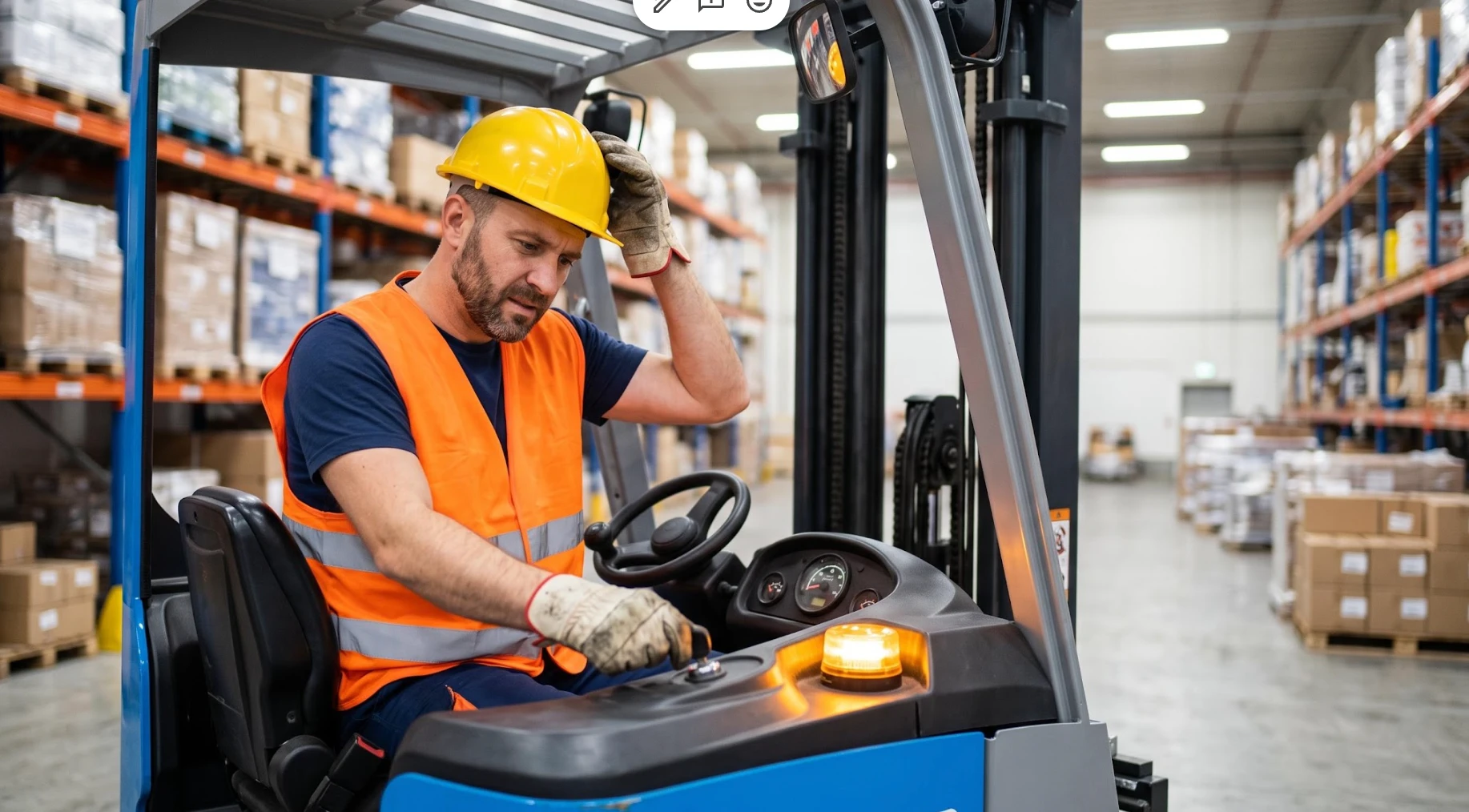
Few things are more frustrating than climbing onto your forklift, turning the key, and hearing nothing but silence or a single click. Whether you run a warehouse, a distribution center, or a busy loading dock, a forklift that won't start brings your operation to a standstill. The good news is that most starting problems trace back to a short list of common culprits: a weak or dead battery, an ignition system fault, a fuel delivery issue, cold weather effects, or a safety interlock that hasn't been satisfied. In this guide, you'll learn how to work through each of these possibilities step by step, figure out what's actually causing your forklift malfunction, and know exactly when it's time to call in a professional. And if your troubleshooting points to a part that needs replacing, PS Janitorial carries a wide selection of forklifts and forklift parts to get your equipment back on the floor.
Common Reasons a Forklift Won't Start
Before diving into the details, here's a quick snapshot of the most common reasons behind a forklift won't start situation. Reviewing this list first can help you narrow down where to look.
- Weak, dead, or aging battery
- Loose, corroded, or damaged battery terminals
- Ignition system faults, including spark plugs, wiring, and fuses
- Fuel system problems, from an empty tank to a clogged fuel filter or faulty solenoid
- Cold weather affecting the battery, fuel tank, or regulator
- Safety interlocks not engaged, such as the seat sensor or emergency stop button
- Overheating from low coolant, a blocked radiator, or a damaged water pump
Now let's look at each of these categories in more detail so you can identify the root cause and get your forklift truck running again.
Battery Related Starting Problems
If you turn the key and hear a rapid clicking sound but the engine never turns over, the battery is almost always the culprit. This is one of the most common electrical system problems on any forklift, electric or internal combustion. Start your complete check with the battery itself: its charge level, its terminals, and its cables.
Weak, Dead, or Aging Battery
A forklift battery usually needs to read around 12.6V when fully charged to reliably power the starter. Use a multimeter to test the charge before assuming the worst. If the reading is low but the battery holds a charge once recharged, you may just need a longer charging cycle. If it won't hold a charge at all, replacement is likely necessary. Forklift batteries typically last 3 to 5 years depending on usage and maintenance, so age alone can explain a sudden no start.
Loose or Corroded Terminals and Cables
Even a fully charged battery won't do much good if the connection to the starter is interrupted. Inspect the terminals for a white or greenish buildup, which signals corrosion, and make sure the cable clamps are tight and connected properly. Clean any corrosion with a wire brush and a baking soda solution, then confirm the cables running to the starter are secure at both ends.
Faulty Battery Charger
Sometimes the battery itself is fine, but the charger feeding it is not. If you have access to another charging unit, try charging the battery on that unit instead. If it charges normally elsewhere, the original charger is likely the root cause rather than the battery, and the charger should be repaired or replaced before you spend time and money on a new battery.
Ignition System Issues
Once you've ruled out the battery and the engine still cranks without starting, it's time to look at the ignition system components. The ignition system includes spark plugs, the coil, the rotor, and the wiring that ties it all together, and a fault in any one of these can prevent combustion.
Worn or Fouled Spark Plugs
Pull a spark plug and check the spark quality. A solid blue spark indicates a healthy ignition system, while a weak or yellow spark points to worn or fouled spark plugs. If the plugs look fine, check the condenser, the rotor, and the coil wires next, since corroded ignition wires or a failing coil can produce the same symptoms as bad plugs.
Ignition Switch and Wiring Faults
Damaged or corroded wires, loose connections, blown fuses, and failed relays are all common electrical system problems that interrupt starting. A short in the wiring harness can prevent power from ever reaching the ignition components. If you're comfortable tracing wiring, check for continuity along the harness. If not, this is a good point to bring in a technician familiar with your forklift engine's electrical layout.
Emergency Stop Button Left Engaged
It sounds simple, but it happens often enough to mention first. An emergency stop button must be deactivated before the forklift will start. If the previous operator hit the emergency stop at the end of their shift and didn't reset it, your forklift will refuse to start no matter how good the battery or ignition system is. Always check this button before moving on to more involved troubleshooting.
Fuel System Problems (Propane, Gas, and Diesel Forklifts)
Fuel system issues make up the largest and most technical category of forklift starting problems, especially for LPG forklifts. Since fuel delivery involves several interconnected parts, tracking down the exact failure point takes a bit more patience.
Low Fuel or Empty Tank
Checking for adequate fuel is crucial, and it's easy to get wrong on a propane forklift because gauges aren't always reliable. Lifting the tank to judge its weight is often more accurate than trusting the gauge alone. A full standard propane tank generally weighs noticeably more than an empty one, so an experienced operator can usually tell the difference by hand. Never assume you have enough fuel just because the tank was topped off recently.
Propane Tank Installed or Seated Incorrectly
Propane tanks must be properly installed to draw fuel correctly. The fuel intake tube inside the tank needs to be oriented so it pulls liquid propane rather than vapor. If the tank is installed upside down or seated incorrectly in its bracket, the forklift may crank without ever receiving usable fuel. Confirm the tank collar is locked into the bracket and positioned correctly before troubleshooting further.
Fuel Coupler and Valve Problems
Inside the tank side coupler sits an O ring and a quad ring that create a tight seal for fuel flow. If the quad ring has popped out of place, fuel won't move through the tank connector properly. Also confirm the tank valve itself is turned to the on position, since a valve that's only partially open can mimic a much bigger fuel system problem.
Clogged Fuel Filter
Over time, contaminants and the buildup of ethyl mercaptan, the additive that gives propane its distinct smell, can clog the fuel filter. A dirty fuel filter restricts flow enough to prevent starting even when everything else checks out. Filters should be replaced on a regular maintenance schedule. Because the fuel system operates under pressure, this replacement should be handled by a qualified technician rather than attempted in the field.
Faulty Fuel Solenoid
A faulty fuel solenoid can stop fuel flow to the engine entirely. Common causes include broken wires leading to the solenoid, debris from a clogged filter working its way downstream, or a bad sensor signal from the ECU that prevents the solenoid from opening at all. If your forklift cranks strong but never catches, the solenoid is worth checking early in the process.
Regulator Problems (Clogged or Frozen)
The fuel regulator is another frequent source of trouble. Mercaptan oil buildup can gum up the regulator's diaphragm over time, and cold temperatures can freeze fuel regulators outright, cutting off propane delivery mid shift. Draining and servicing the regulator requires specialized knowledge of pressurized fuel systems, so this maintenance should go to a professional rather than being handled as a DIY fix.
Diesel and Gas Fuel Delivery Issues
Diesel and gas forklifts face their own fuel system issues. Dirty or clogged fuel injectors restrict the spray pattern needed for proper combustion, and fuel quality suffers when a tank sits low and unused for long stretches, allowing condensation to build inside. On diesel units, also double check the fuses and battery connections, since diesel engines rely heavily on electrical components to manage fuel delivery and glow plug function.
Air Filter and Air Intake Problems
Combustion needs clean airflow just as much as it needs fuel. An obstructed air intake starves the engine of oxygen, an excessively dirty air filter chokes airflow gradually over time, and a missing filter altogether can let debris into the intake system. Inspect the air filter housing regularly, since a clean air filter supports both easier starting and better long term compression and oil pressure inside the engine.
Cooling System and Overheating Issues
Overheating doesn't just cause a forklift to shut down mid operation. It can also prevent one from starting at all, and this isn't only a summer problem. Cooling system issues can surface any time of year if maintenance has been neglected.
Low Coolant Levels
Check coolant only when the engine is completely cold to avoid burns from pressurized, hot fluid. If the level sits below the minimum mark, top it off with the coolant type specified for your forklift model and keep an eye out for recurring low levels, which often point to a slow leak elsewhere in the system.
Radiator Blockages and Debris
Dust, warehouse debris, and dirt can build up across the radiator fins and restrict airflow, causing the engine to run hotter than it should. A visual inspection will usually reveal caked on debris that needs to be cleared before the cooling system can work efficiently again.
Water Pump and Hose Damage
Inspect hoses for cracks, soft spots, or visible leaks, and check the water pump for seepage around the seal. A failing water pump or a damaged hose can drop coolant levels quickly, leading to the same overheating symptoms as a simple low coolant issue.
Safety Interlocks That Can Block Starting
Forklifts typically employ safety interlocks to prevent starting under unsafe conditions, and these are easy to overlook when you're focused on mechanical or electrical causes. Regular maintenance is required to keep forklift safety features functioning correctly, since a malfunctioning sensor can block a perfectly healthy engine from starting.
Operator Seat Sensor Not Engaged
Many forklifts have weighted seats that prevent starting without weight registering the operator in the seat. If you're not seated fully and firmly, or if the sensor itself has failed, the forklift may refuse to start even though everything else is working correctly. Also confirm the gear selector is in neutral, since many forklifts require that condition alongside the seat sensor before they'll start.
Dashboard Warning Lights and Alerts
Before assuming a major fault, glance at the dashboard for warning lights you don't recognize. Many modern forklifts store error codes tied to specific components, and cross referencing the operator manual or the manufacturer's resources can point you toward the exact issue rather than leaving you to guess.
Cold Weather Starting Problems
Cold weather touches nearly every system covered above, which is why it deserves its own section.
Why Cold Temperatures Affect Starting
Cold temperatures can thicken battery electrolyte, reducing the battery's ability to deliver a strong current to the starter. Propane tank pressure also drops in cold weather, making it harder to draw enough fuel, and as mentioned earlier, the regulator itself can freeze in extreme cold, cutting off delivery entirely.
Tips to Prevent Cold Weather No Starts
- Store forklifts indoors or under shelter whenever possible
- Allow the engine to warm up before putting it under load
- Keep the fuel tank full rather than running it down in cold conditions
- Use the equipment regularly instead of letting it sit idle through the cold season
Forklift Cranks But Won't Start: How to Narrow Down the Cause
Once you've confirmed the battery is good and the forklift still cranks without starting, treat the rest of the process as a simple elimination. Check for spark first, since a healthy blue spark rules out the ignition system as the cause. From there, move on to fuel delivery components: the tank, the coupler, the filter, and the solenoid. A mechanically inclined team member can usually complete a first visual pass through these components before deciding whether the problem calls for a certified technician.
Brand Specific Notes (Toyota and Other Common Models)
Most forklifts share the same core systems described throughout this guide, regardless of brand. That said, if you operate a Toyota forklift, its fuel system layout places certain components in slightly different positions than other manufacturers, so it's worth consulting your model's manual before assuming a part is missing or broken. On any forklift equipped with an ECU, checking for stored error codes should be one of your first steps, since the system often flags the exact component behind the malfunction.
When to Call a Professional Forklift Technician
Some checks are safe for any operator to perform: battery terminals, visible wiring, the emergency stop button, the seat sensor, and coolant levels all fall into this category. Anything involving pressurized propane, the regulator, the fuel solenoid, or internal ignition wiring should be left to a certified technician. These components carry real safety risk, including fire and leak hazards, if handled incorrectly, so don't hesitate to bring in professional help once your troubleshooting points in that direction.
Preventive Maintenance Tips to Avoid Future Starting Problems
Regular maintenance can prevent starting issues in forklifts before they happen. Keep up with scheduled servicing, monitor battery health and clean terminals routinely, replace the fuel filter at the intervals your manufacturer recommends, check coolant levels consistently, and keep every forklift in your fleet in regular use, even during slower seasons. A forklift that sits idle for long stretches is far more likely to develop a starting problem than one that runs consistently.
Frequently Asked Questions
Why does my forklift just click when I try to start it?
A clicking sound usually indicates a weak or dead battery, a corroded terminal connection, or a failing starter. Check the battery charge and terminal connections first before assuming the starter itself needs replacing.
Why won't my propane forklift start in cold weather?
Cold weather reduces propane tank pressure and can freeze the regulator, both of which interrupt fuel delivery. Storing the tank in a warmer area or keeping the forklift sheltered can help prevent this.
Can I troubleshoot a forklift starting problem myself?
You can safely check the battery, terminals, emergency stop button, seat sensor, and coolant level on your own. Anything involving the fuel solenoid, regulator, or pressurized propane components should be handled by a certified technician for safety reasons.
Get Your Forklift Back Up and Running
A forklift that won't start can almost always be traced back to one of the handful of causes covered in this guide: the battery, the ignition system, the fuel system, cold weather, or a safety interlock. Working through these systematically, starting with the simplest checks, will save you time and help you avoid unnecessary repairs. Staying ahead of these problems with regular maintenance keeps your equipment reliable when you need it most. If your troubleshooting points to a part that needs replacing, or if you're in the market for a reliable forklift for your facility, browse our refurbished forklifts to find the right lift truck for your loads and aisles.