How to Choose Right Detergent for Your Floor Cleaning Machine
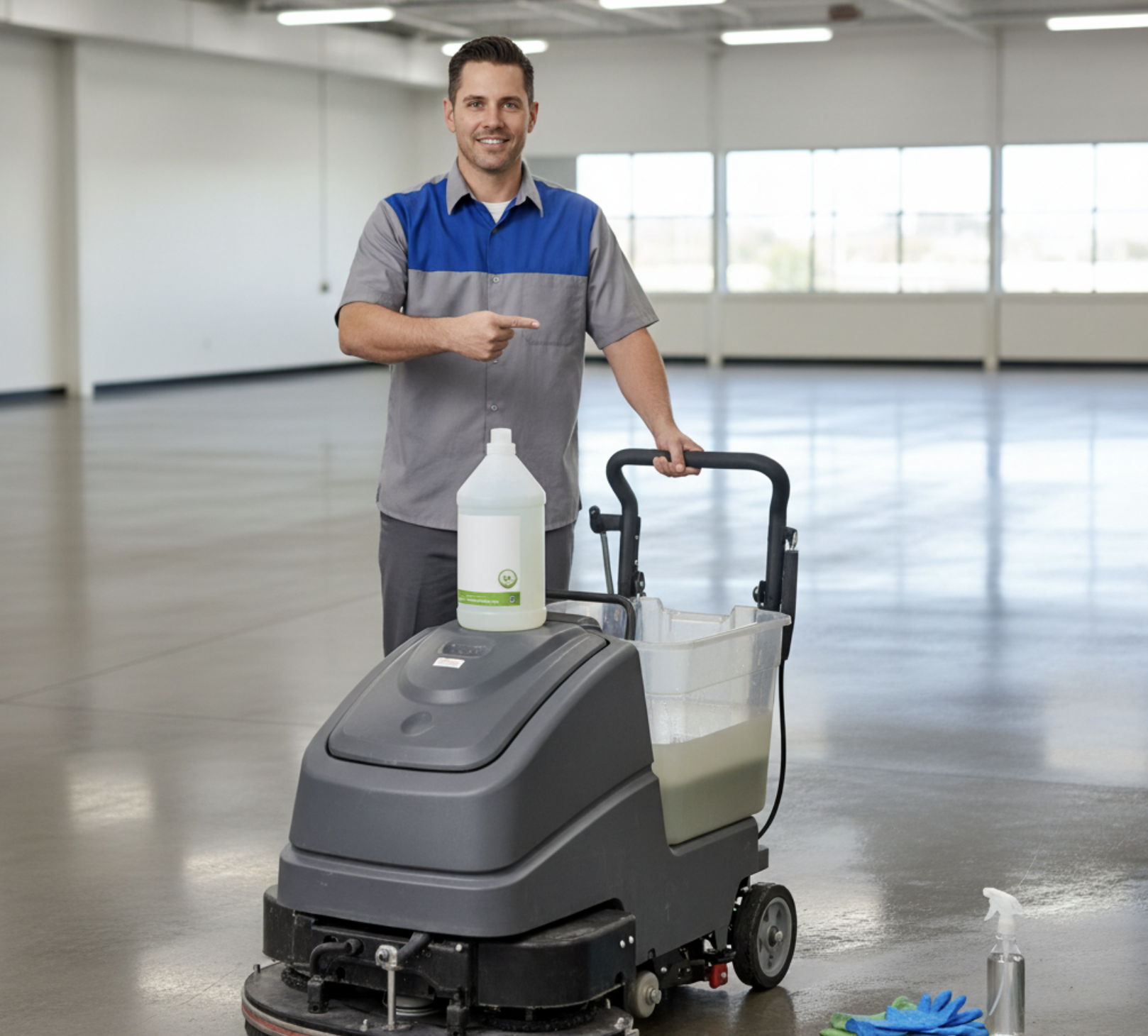
Picking the right detergent for your floor cleaning machine isn’t exactly everyone’s favorite topic. But it should be, especially if you want your investment to pay off and your floors to shine without a hitch. Using the right cleaning solution can make all the difference between spotless floors and a surface that’s sticky, dull, or worse, damaged. Whether you’re working with a floor scrubber, a buffer, or anything in between, understanding what goes into your floor cleaning detergent matters big time. After all, different floor cleaning machines and detergents aren’t one-size-fits-all. It’s not just about cleaning; it’s about doing it smartly, protecting both your floors and your gear.
Understanding Your Floor Cleaning Machine
Types of Floor Cleaning Machines
First things first, what exactly are you dealing with? Floor cleaning machines come in a variety of flavors. You’ve got floor scrubbers designed to tackle grime by applying detergent and scrubbing away dirt, often followed by sucking up dirty water. Buffers, on the contrary, are the charmers that polish and preserve shine rather than deep clean. Then there’s the practical choice between walk-behind scrubbers—great for tight spaces—and ride-on scrubbers for those vast commercial expanses where your legs might otherwise pack up early. Knowing this helps you figure out the kind of cleaning solution that will work best for your situation. Trust me, not all detergents play nicely with every machine.
Machine Requirements for Detergents
Now, here’s a bit of business reality we can’t sidestep: your machine’s health hinges on the detergent you pick. Many floor cleaning machines demand low-foam detergents. Why? Because too much foam equals trouble in the recovery tank and can wreak havoc on vacuum motors. You don’t want that. Think of it as knowing what fuel your car needs; ignoring the manufacturer’s instructions on detergent choice is like putting diesel in a gasoline engine—a disaster waiting to happen. So, when deciding how to choose the right detergent for your floor cleaning machine, compatibility isn’t just a suggestion; it’s a must.
Factors to Consider When Choosing a Detergent
Type of Flooring
Your floors come in all sorts of shapes and personalities—hardwood, tile, concrete, vinyl, and the list goes on. Each one is its own diva, demanding a different kind of floor cleaning detergent to keep it happy. For instance, hardwood floors are quite sensitive; they thrive on neutral pH detergents that clean but don’t strip away the finish. Tile and concrete can take a bit more muscle—alkaline cleaners play well here to break down tough dirt and grime. Vinyl floors need something gentle enough to clean without leaving sticky residue that just screams “I’m sticky.” So, don’t just grab any detergent off the shelf—consider what your floor types are really craving.
Level and Type of Dirt
Be honest with yourself: is this a light-touch job or a full-on grime-fest? Light dust calls for a mild cleaning solution, but when you’re staring down heavy grease and stubborn stains, it’s time to call in the big guns of heavy-duty detergents. Alkaline cleaners here can be your friends, but remember—they’re not to be trifled with. Too strong or used improperly, and you risk damage surfaces instead of restoring them. It’s a delicate dance, balancing cleaning power with care.
Environmental and Safety Considerations
Nowadays, being eco-friendly isn’t just a buzzword; it’s a responsibility. If you’re cleaning in healthcare settings, schools, or anywhere with sensitive noses and skin, you’ll want detergents that skip the harsh chemicals and go easy on the environment—and your people. Green, non-toxic floor cleaning detergents can still pack a punch against dirt without leaving anyone reaching for a respirator. Plus, showing you care about eco-friendliness can be a real feather in your cap with clients or customers.
Foaming Characteristics
Here’s a little insider tip: low foam isn’t just a preference—it’s a necessity for protecting your machine. Excessive foaming leads to dirty water splashbacks and can cause the recovery tank to overflow. That kind of mischief harms the vacuum motors and turns your cleaning session into a technical headache. If foam does get out of hand, de-foamers can step in as your messengers of peace, calming the bubbles before they cause trouble.
Common Types of Detergents for Floor Cleaning Machines
Neutral pH Detergents
When in doubt, neutral pH detergents tend to be the safe bet. They’re versatile and effective across most floor types, removing dirt without causing damage or leaving behind that dreaded sticky residue. Just remember to follow the manufacturer’s instructions to the letter for dilution ratios and application.
Heavy-Duty Detergents
For those who wrestle with industrial-level stubborn stains and grease that refuses to budge, heavy-duty detergents come to the rescue. Armed with powerful alkaline cleaners, they can make short work of the mess. But be warned: misusing these can send your floor into a tailspin. Always dilute carefully and sparingly—too much can damage surfaces. Plus, save these detergents for when you really need them. Using heavy-duty solutions on everyday dirt is like bringing a chainsaw to a butter knife fight: overkill and potentially harmful.
Specialized Floor Cleaners
Some floors need a bit of VIP treatment. Hardwood floors, for example, benefit from cleaners that not only clean but also nourish the wood without stripping finishes. Carpeted areas? That calls for detergents designed to get deep into fibers while keeping foam and residue in check. Tailoring your detergent to the floor’s personality isn’t just smart—it’s necessary.
Eco-Friendly Cleaners
Going green isn’t just a trend; it’s a genuine shift in floor cleaning philosophy. Eco-friendly detergents use biodegradable, non-toxic ingredients that cut through dirt and grime without leaving a heavy environmental footprint. You get cleaner floors plus the warm feeling of knowing you’re doing your bit for the planet—and that’s a win-win in any book.
How to Use Detergents Properly in Your Floor Cleaning Machine
Dilution Ratios
It’s tempting to think “more is more,” but when it comes to detergents, that’s often a shortcut to trouble. Overdoing it can harm your floors, cause sticky residue, and prompt excessive foaming. The magic lies in mastering dilution ratios. Stick to the manufacturer’s instructions—they’ve done the homework so you don’t have to. If you’re not sure, start light and adjust as needed. Remember, wasting product is just wasting money.
Applying Detergent
Got a tough grime battle ahead? Try the double scrubbing technique. First pass loosens up the dirt, second pass helps pick up what’s left behind. Plus, giving the detergent a little dwell time lets it sink in and break down stubborn stains. It’s a bit like marinating food—you want the flavor to seep in before cooking. Same concept with dirt removal.
Maintaining Your Machine
Your machine deserves some TLC too. Keep an eye out for foam buildup—it’s sneakier than it looks and can cause bigger problems down the line. Empty the recovery tank regularly, clean it out, and if foam gets out of hand, don’t be shy to use de-foamers. A well-maintained floor scrubber isn’t just happier—it performs better and lasts longer.
Tips for Optimal Floor Cleaning Results
Here’s the scoop: selecting the right detergent concentration depends on what you’re tackling. A general cleaning job calls for lighter mixtures; heavy-duty dirt demands a bit more muscle. Always test new detergents in a small, inconspicuous area before going all in. It’s like trying on shoes before a marathon—you want to make sure they fit right. Besides, a regular maintenance schedule for both your machine and floors helps keep everything running like a well-oiled machine—clean floors included.
Your Guide to Floor Cleaning Detergents
At the end of the day, how to choose the right detergent for your floor cleaning machine boils down to knowing your machine, understanding your floors, and being honest about the dirt you’re dealing with. Following manufacturer’s instructions and respecting dilution ratios will save you headaches and extend the life of your floors and equipment.