How to Choose the Right Floor Sweeper Broom
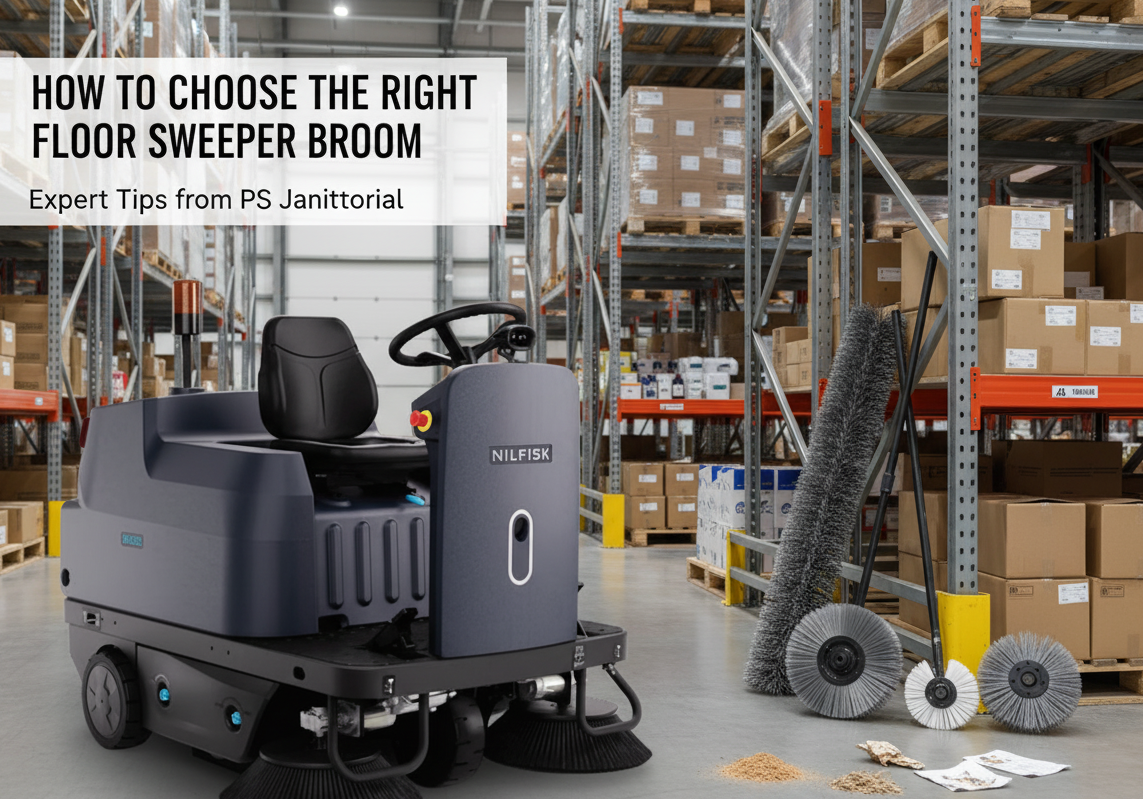
Let’s be honest: not all floor sweeper brooms are made equal. Choosing the right one isn’t just about grabbing the first brush that fits your machine—it can make a world of difference in your cleaning game. Efficient sweeping, protecting your floor surface, and even saving a few bucks on labor and replacement parts all hinge on that choice. Here at PS Janitorial, we’ve walked in your shoes, advising countless folks like you, and we get it. When it comes to floor cleaning equipment, getting the right brush is essential—no ifs, ands, or buts.
Why Choosing the Right Sweeper Broom Matters
You might wonder, “Is it really that critical?” The short answer: absolutely. Here’s why:
- Cleaning efficiency isn’t just a buzzword—it’s your ticket to finishing up faster with less hassle. Picking a brush that matches your floor type and debris means you put the right down pressure and let the vacuum system do its thing without wasting energy.
- Floors aren’t cheap. Using a broom meant for rough surfaces on coated plywood or delicate tile? That’s a fast track to premature wear and tear. You want your floors to last, don’t you?
- Save yourself some heartburn (and dollars) by avoiding premature brush wear and unnecessary labor. The right sweeper broom controls dust while sweeping larger debris, which means you’re not chasing after dust bunnies or stuck scrubbing.
Main vs. Side Brooms: What’s the Difference?
Main Brooms
Think of your main broom as the star player—the cylindrical brushes that actually collect the dirt, dust, and debris into the hopper. They’re on every sweeper for a reason. Their design is tailored for effective sweeping rough surfaces as well as smoother ones, so they’re pretty much the workhorse in your floor cleaning setup.
Side Brooms
Side brooms, on the other hand, act like your trusty sidekick. They’re disk brushes—flat and wide—that sweep along edges and into tight spaces, pushing debris towards the main broom. Without them, you’d be missing out on corners and along walls—places where dirt loves to hide. They’re especially handy for controlling dust in hard-to-reach spots and getting debris moving your way.
Choosing the Right Broom Material
Here’s the rub: not all brush types are created equal, and the material matters big time. The kind of dirt or debris you’re dealing with (wet debris, compacted dirt, fine dust) and your floor surface dictate your best broom choice.
Crimped/Crinkle Wire
If you’re taking on rough, unsealed floors with compacted dirt, crimped wire brushes are your go-to. They play rough and are aggressive—perfect for knocking loose the stubborn stuff that likes to stick. But fair warning: they’re a bit rough on softer floor surfaces, so don’t bring them into delicate territory.
Poly/Wire Mix
This middle-of-the-road mix blends synthetic materials with wire, meaning you get durability and versatility in one broom. Indoor or outdoor, damp areas—a poly/wire mix can handle them all without breaking a sweat. I’d say this is one of our clients’ favorites for varied environments.
Union/Wire Mix
If your environment throws harsh chemicals or high heat at you, union/wire mix can stand up to the challenge. It also provides solid dust control, making it a smart pick when both durability and cleanliness are non-negotiable.
Union Mix
Natural fibers take the stage here, and while their wear life isn’t the longest in the game, they’re champs at dust control. Heat-resistant too, which is nice if you’re cleaning near warm equipment or confined spaces. However, be prepared to swap them out a bit more often.
Polypropylene
You need wet debris handled? Polypropylene brushes shine in those conditions, offering long wear life and resisting moisture well. Just keep in mind—they’re not built for high-temperature scenarios, so check your environment first.
Nylon
Nylon bristles bring durability and flexibility, especially for dusty, high-temperature settings. Wet sweeping isn’t their strong suit, though. So unless your job site is bone dry, you might want to think twice.
Understanding Broom Fill Patterns
Choosing the fill pattern can be confusing, but it’s another key factor influencing your sweeper’s performance. The way bristles are arranged can change how well you control dust or sweep larger debris.
Double Row (DR)
Double row is like the all-rounder family member—versatile and dependable. It works well handling fine debris and bulky dirt alike, making it a safe bet if you need a broom that can juggle different cleaning challenges.
Single Row / Full-Fill
If you’re battling dust—say, inside warehouses or wood shops—single row or full-fill patterns excel. But trying to handle larger debris with this pattern is like using a teaspoon to shovel snow: not so effective.
Herringbone
Herringbone patterns, with their V-shaped rows, are clever. They funnel debris right into the hopper with minimal fuss. This makes for great efficiency if your sweeper relies heavily on its vacuum system to do the heavy lifting.
Patrol
Got parking lots or large open areas? Patrol fills were made with speed in mind. High-speed sweeping is their jam, so they cover ground quickly while still picking up the essentials.
Window
Window fill is a bit niche—brand-specific and meant for light litter. Think of it as the precision tool in your arsenal, perfect for if you need to tidy up without going overboard.
Factors to Consider When Selecting a Sweeper Broom
Here’s where the rubber meets the road, and we start tailoring things to you. Not every business or cleaning job calls for the same broom.
- Floor Type: Concrete? Coated plywood? Tile? Carpet? Each surface calls for a brush type that won’t scratch or wear it down prematurely. Just because a broom works wonders sweeping rough surfaces doesn’t mean it should roam your polished floors.
- Type of Debris: Are you mostly tackling fine dust or compacted dirt? What about wet debris or sand? Knowing your enemy here guides you straight to the brush that’ll perform best. For instance, sweeping larger debris demands a different broom fill and pressure than sifted dust.
- Environment: Indoor or outdoor? High temps or humid conditions? These factors impact your broom’s lifespan. Synthetic materials tend to resist moisture better, while union mix might be better around heat or chemicals.
- Cleaning Efficiency: Is your priority getting the job done quickly or paying attention to detail? Speed-focused work, like in parking lots, might favor patrol brushes, but cleaner environments might need a softer, fine debris-controlling broom.
When to Replace Your Sweeper Broom
So, when’s the right time to toss the old broom? Here’s a practical guideline: if your bristles are worn down more than halfway, you’re probably not cleaning as well as you think. You might notice more dust lingering or dirt missed. Waiting too long can put strain on your sweeper’s motor and reduce efficiency, not to mention ruin your floors. Our advice? Inspect regularly—make it part of your routine—and don’t be shy about swapping brooms when needed. After all, a little maintenance goes a long way.
Final Tips and Expert Help
Look, sweeping isn’t one-size-fits-all, and neither should your broom be. If you just pick the “general-purpose” broom off the shelf every time, you might be missing out on better efficiency and floor protection. Consider your unique floor surface, the debris you face, and your environment before choosing. And hey, we’re just a call or click away if you want a little expert advice or help finding parts—not to mention quotes tailored to your needs. Sometimes, the right brush is all it takes to turn your cleaning routine from drudgery into a smooth operation.