
How to Clean a Commercial Freezer Floor
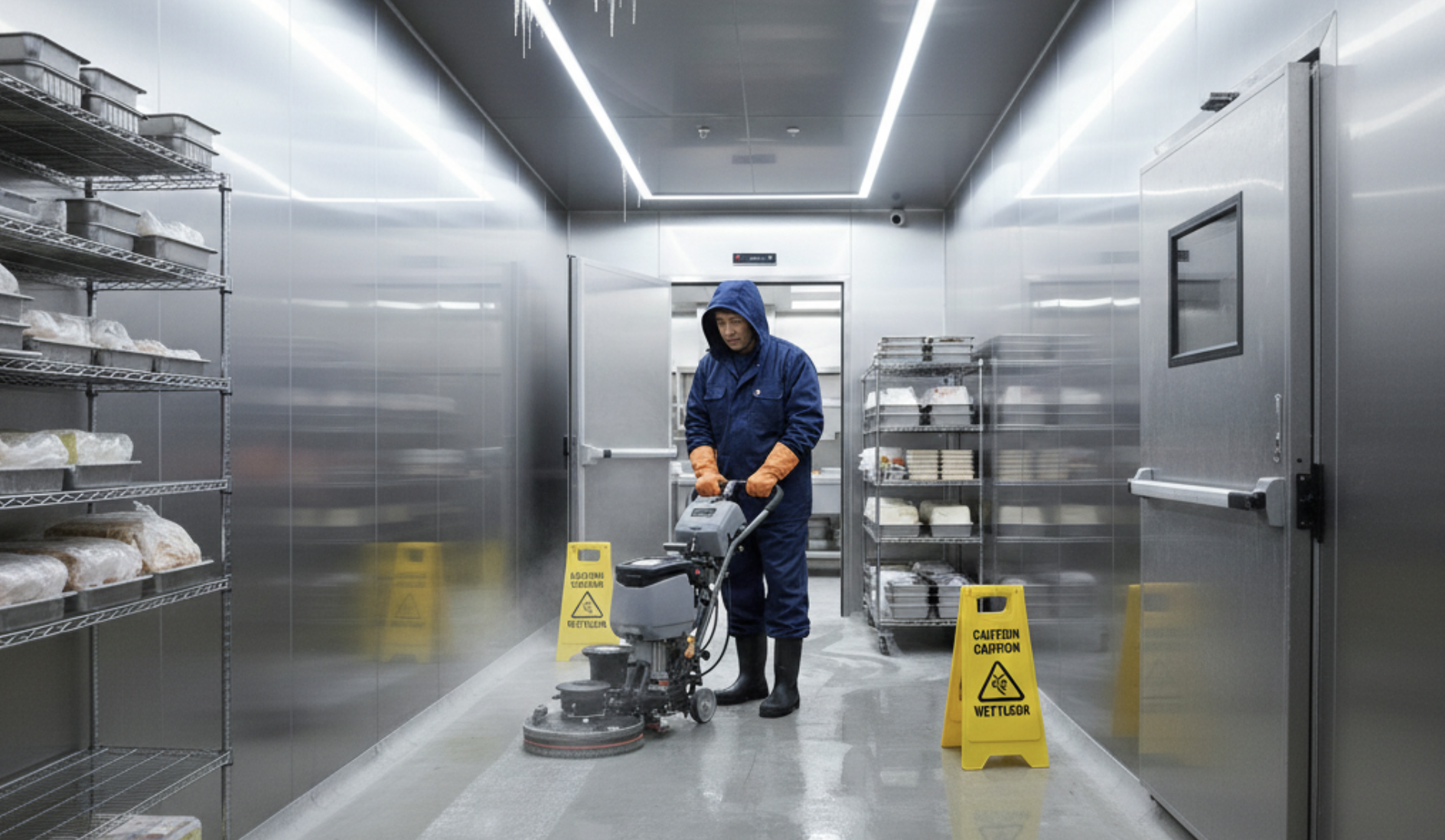
Keeping a commercial kitchen spotless is no small feat. And while you probably pay close attention to prep stations and cooking surfaces, how often do you think about the commercial freezer floor? Honestly, it’s one of those areas that tends to fly under the radar, but it shouldn’t. Trust me, a clean walk in freezer floor isn't just about appearances—it’s about food safety, preventing slips, and avoiding costly equipment headaches down the road. Keeping that floor spotless can save your skin when it comes to health and safety regulations, and everyone wins when hygiene is top-notch. So, if you’re serious about your kitchen’s cleanliness and safety, giving your commercial walk in freezer some love is a must.
How Often Should You Clean Your Commercial Freezer Floor?
Now, here’s the tricky part: how often should you actually tackle the cleanup? In an ideal world, a deep clean monthly, spot checks weekly, and daily debris removal would keep your freezer floor in top shape. But let’s be honest, we understand real-world constraints—staffing, busy schedules, and all that jazz can get in the way. Still, making a habit of daily quick cleanups can prevent slip hazards, which nobody wants. And those weekly spot cleans? They’re perfect for keeping bacterial growth in check and avoiding that pesky ice buildup that can wreak havoc on your commercial walk in fridge. Plus, regular care keeps the floor safe and equipment humming along nicely—because, really, who wants unexpected breakdowns?
Preparation for Cleaning
Gathering Supplies and Equipment
Before you roll up your sleeves, get your gear lined up. You’ll need a reliable broom, a mop with a sturdy bucket, and a stiff bristle brush—these aren't your grandma’s cleaning tools. And please, steer clear of regular household cleaning products or standard cleaning chemicals. They just don’t cut it in the freezer environment and might even cause problems like freezing or residues that make the floor slippery. Instead, specialized freezer cleaning products designed for low temps will make your life easier and safer. Don’t forget your protective gear—insulated gloves, slip-resistant shoes, and warm clothes because nobody wants a walk in freezer cold snap without the right armor.
Clearing the Freezer Floor Area
Next, clear that floor space. Remove any loose debris and movable items, and cover food products that can’t be shifted to avoid any contamination. It might seem like a hassle, but trust me, this prep work makes the actual cleaning process smoother—and it’s a crucial step that’s often overlooked. Plus, with things out of the way, you can give the freezer walls and floor a good look-over for any damage or mold. Better to spot problems early than to deal with consequences later.
Safety Precautions
Speaking of consequences, freezing cold combined with wet floors can be a recipe for disaster if you’re not careful. Make sure you’re geared up with slip-resistant shoes and insulated gloves because frostbite and slips are nobody’s idea of fun. Warm clothing helps stave off the chill, obviously. And here’s the kicker: always set up your wet floor signs. It might feel like a small thing, but those signs save actual spills—and potentially broken bones. Lastly, ventilation is your friend, especially if you’re using cleaning chemicals. No one wants to work in a stuffy, chemically charged space, right?
Step-by-Step Guide for Cleaning the Commercial Freezer Floor
Step 1: Remove Large Debris
Start by sweeping with a broom that can handle the industrial grit of a commercial freezer floor. Dirt, food scraps, ice patches—get 'em all swept up. If you spot any ice buildup, don’t grab a metal scraper and go to town; instead, use a plastic scraper to gently chip away without damaging surfaces. That’s key because a scratched floor won’t do you any favors long-term.
Step 2: Apply Cleaning Solution and Scrub
Now, here’s where your choice of cleaning chemicals matters. Use specialized freezer cleaning products that won’t freeze in the cold or leave behind a slick surface. Using a floor scrubber can speed things up and ensure thorough cleaning. However, in tight corners and small commercial walk in freezers, manual scrubbing with a stiff bristle brush might be more effective. Afterwards, dry the floor thoroughly to avoid turning your clean floor into a slip ‘n slide.
Step 3: Rinse and Dry
Water and freezers? A bit of a love-hate relationship. Use minimal water, because too much can lead to ice buildup once that moisture freezes. To get rid of excess moisture, wet vacuums, squeegees, or air movers are your best buds. Ensuring you dry the floor thoroughly isn’t just about safety—it prolongs the good condition of your freezer floor and keeps freezer temperatures steady.
Step 4: Replace Items and Conduct Final Inspection
Once the floor is dry, return everything to its rightful place. This is your moment to reorganize inventory if it’s gotten out of hand. Plus, give the floor and freezer walls one last look. Any mold spots, damage, or missed patches? Address them right away—because you don’t want to be stuck repeating the whole walk in freezer clean process sooner than expected.
Tips for Maintaining a Clean and Safe Freezer Floor
Keep Freezer Doors Closed
Sounds obvious, but you’d be surprised how much damage a slightly ajar freezer doors can do. Warm air sneaks in, causing ice buildup and messing with your freezer temperatures daily. Keeping doors shut tight not only saves energy but helps keep that walk in freezer floor ice-free.
Clean Floors Outside the Freezer
Dirt and grime love to hitch a ride on shoes and carts. Regularly cleaning the floors outside your commercial freezer prevents that unwelcome transfer inside, cutting down your cleaning workload in the long run.
Monitor Freezer Temperature Regularly
Check those freezer temperatures daily. Fluctuations don’t just put your stock at risk; they encourage ice buildup and can mess with your equipment’s performance. A little vigilance pays off here.
Turn Off Lights When Not in Use
Here’s a trick some overlook: freezer lights generate warm air. Leaving freezer lights on unnecessarily can increase energy costs and complicate temperature control. So, flip that switch off when you’re done.
Regular Maintenance of Freezer Components
Don’t forget the sidelines—the condenser coils, fans, vents, and freezer walls need their share of TLC too. Keeping them clean helps prolong the life of your commercial freezer and keeps things hygienic.
Recommended Equipment for Efficient Freezer Floor Cleaning
If you’re serious about keeping that freezer floor spotless, it might be time to think beyond brooms and mops. Commercial floor buffers, floor scrubbers, and floor sweepers designed for freezer environments make a world of difference—they’re efficient, get the job done right, and significantly reduce labor hours. From one of our clients who swapped to professional equipment, the difference was night and day—not just in cleanliness but safety too. Using proper gear means fewer slips, less time wasted, and a noticeably cleaner floor without breaking your back.
Keeping Your Commercial Freezer Floor Spotless
Cleaning a commercial freezer floor isn't glamorous, but it’s unquestionably vital. Your business depends on it—not just for meeting health and safety regulations but for creating a workspace where employees can move safely without worry. Remember, the right specialized freezer cleaning products and equipment make all the difference. So, let’s be honest: why settle for less when you can have the best? If you want to keep your commercial freezer in top shape with expert janitorial equipment and advice, we’re here to help. Reach out to us today, and let’s keep your freezer—and your business—running smooth.