How to Clean a Commercial Kitchen Floor? Step-by-Step Guide
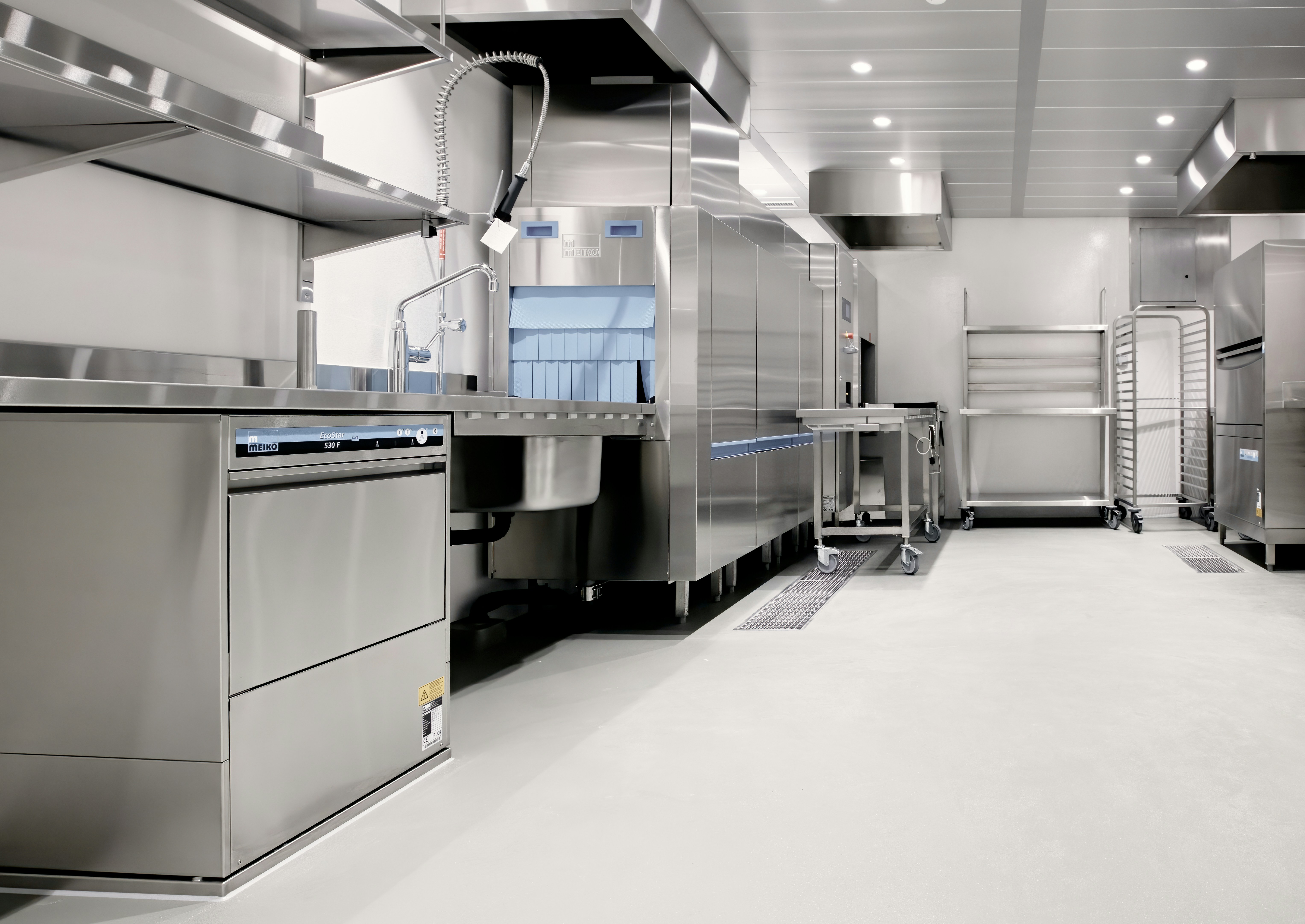
Commercial kitchen floors don’t exactly get the spotlight, but they’re the unsung heroes of your kitchen's hygiene and safety. If you think skipping or skimping on cleaning them won’t cost a thing, think again. Dirty floors harbor grime, food debris, and grease that can quickly spiral into health risks, slip hazards, and a downright unpleasant experience for anyone stepping into your kitchen. And whether you’re running a bustling restaurant or a smaller food service operation, keeping these floors spotless is no walk in the park. In this article, we'll break down the cleaning process from start to finish—and not just any surface-level talk. We'll get into the nitty-gritty on how to get that commercial kitchen floor genuinely clean, safe, and looking sharp.
Dangers of a Dirty Commercial Kitchen Floor
Do you really want your kitchen floor being a silent danger zone? Unattended, those greasy restaurant kitchen floors become a breeding ground for bacteria—not just any, but ones that love protein soils from milk, eggs, and meat residues. It’s enough to set off health inspectors and, more importantly, endanger your customers and staff. Plus, slippery floors don’t just invite accidents; they demand them. Statistically, slips and falls rank as one of the top workplace injuries in kitchens, and believe me, the fallout isn’t pretty—higher insurance costs, potential lawsuits, and a dented reputation. And let’s be honest, a customer catching a glimpse of a stained or slippery kitchen floor doesn’t exactly boost confidence in your food quality. It’s the little things that trap dirt and grease that tend to spiral into big, costly problems.
Essential Tools and Equipment for Cleaning Commercial Kitchen Floors
So, how do we tackle this beast? First off, arm yourself with the right tools for the job. Sweeping your kitchen floors with a sturdy broom is just the opening act. Then, grab your mop bucket filled with a powerful commercial floor cleaner and don’t forget a mop that’s genuinely clean—no one wants to smear dirt back onto a freshly scrubbed surface. Wet/dry vacuums are lifesavers when you need to suck up that stubborn water or cleaning solution. For those hard-to-reach corners, brushes will become your best friends; squeegees? Perfect for pushing out the last remnants of gooey grease. Safety gear is non-negotiable—gloves, protective eyewear, and slip-resistant shoes protect you while you work. Lastly, nothing says “caution” like well-placed wet-floor signs. It’s all about looking out for yourself and your team.
Types of Soils and Appropriate Cleaning Chemicals
Common Soil Types Found on Kitchen Floors
If you’ve got greasy restaurant kitchen floors, you’re dealing with an eclectic mix of soil types. Protein soils like leftover meat and dairy sneak into surfaces. Oils and fats spread their slick mess, mineral deposits—think calcium buildup—love to cling near floor drains, and don’t forget the greases and lubes from your equipment. These are the villains that make your floor cleaning process more than just a mop and go.
Chemical Cleaners to Use for Different Soils
Not all commercial kitchen floor cleaners are cut from the same cloth. For the oily and greasy stuff? Bio-enzymatic degreasers are your go-to—they break down organic materials in ways that leave floors spotless without the harsh aftermath. Alkaline cleaners can tackle stubborn mineral deposits, while acid-based ones can handle specific build-ups—but be very cautious, always tiptoeing around manufacturer instructions as if your floor's life depends on it—because, well, it kind of does.
Step-by-Step Guide on How to Clean a Commercial Kitchen Floor
Step 1: Remove Debris by Sweeping
Grab that broom and sweep like your kitchen floor's life depends on it—because it does. Sweep thoroughly to trap dirt and food debris before it sticks around and becomes part of the floor surface.
Step 2: Prepare the Cleaning Solution
Next, mix your cleaning solution in a mop bucket—don’t skimp on the ratios or you might just polish the floor with soap residue instead of cleaning it.
Step 3: Apply the Degreaser or Cleaning Solution
Spread the solution evenly. If you miss spots, those greasy patches will laugh in your face later.
Step 4: Scrub and Agitate the Floor Surface
Time to roll up your sleeves: use a floor scrubber to tackle the floor, paying close attention to grout lines and porous areas where dirt tends to accumulate. While it takes some effort, the right equipment makes all the difference in getting the job done thoroughly.
Step 5: Remove Cleaning Solution and Residues
Pull out your squeegee, mop, or wet/dry vacuum and get every last bit of cleaning solution and dirt off the floor. Residual slipperiness? Not on our watch.
Step 6: Allow the Floor to Air Dry
Patience is key here. Let the kitchen floor air dry fully—air blowers can speed up the process if you’re pressed for time. Nobody likes a floor that stays wet long enough to turn your kitchen floor into a slip-n-slide.
Step 7: Clean and Store Mops and Buckets Properly
After you're done, clean your mop and mop bucket. Storing grimy cleaning tools is like inviting a guest who never leaves—and keeps making a mess.
How to Clean a Greasy Commercial Kitchen Floor
Grease on restaurant kitchen floors? That’s the real headache. Bio-enzymatic degreasers—these tiny cleaning warriors break down fats without wearing out your floors. Combine that with focused scrubbing, and you’re golden. Remember: greasy restaurant kitchen floors need persistence and the right technique—there’s no magic wand here.
Tips for Maintaining a Non-Slip and Clean Kitchen Floor
Want to keep those kitchen floors from turning into a slip zone? Here’s what’s worked for many: place non-slip mats or rugs strategically, especially around cooking and prep areas where spills are frequent. Keep a daily and deep cleaning schedule—not just when you have time or feel like it (because let's be real, in busy kitchens, time is a luxury). Clean up spills pronto—don’t wait for someone else to scoff and slip. For extra safety, consider non-slip floor coatings or sealants and implement a shoe policy—clean, slip-resistant footwear can make all the difference.
How to Deep Clean a Commercial Kitchen Floor
When it’s time for a deep clean, clear the area first—trust me, mopping around equipment is like trying to juggle with one hand tied behind your back. Heavy-duty degreasers are your allies here, paired with scrubbing machines or heavy-duty brushes for the gritty bits. Don’t skimp on detailed spot treatment; those stubborn stains need love and effort. Then rinse everything thoroughly—no one wants residue causing more problems down the line.
Common Causes of Kitchen Floor Dirtiness
Ever wonder why your kitchen floor can look spotless one day and like a disaster zone the next? It often boils down to a lack of regular cleaning, clogged or inadequate floor drains, and porous floor surfaces that soak up soil like a sponge—plus, using dirty mops or the wrong cleaning tools can literally spread dirt instead of getting rid of it. So, consider what’s really underfoot (literally) and adjust the routine accordingly.
When to Hire a Professional Commercial Kitchen Cleaning Service
Sometimes, the mess just wins. When things get overwhelming, or you’re aiming for that professional-level shine, it might be time to call in the experts. Professional commercial kitchen floor cleaning services have specialized equipment and knowledge that can extend your floor’s life, boost safety, and keep you compliant with health regulations. Plus, hiring pros occasionally means you can focus on running your kitchen without having cleaning emergencies breathing down your neck.
Mastering Kitchen Floor Maintenance
In the end, mastering how to clean a commercial kitchen floor is about more than just appearances—it’s about safety, sanitation, and peace of mind for you and your team. With the right cleaning process, tools, and a bit of routine discipline, your kitchen floors can become one of your greatest assets instead of a constant headache. That’s where we come in. At PS Janitorial, we offer a range of floor scrubbers—both brand new and refurbished—designed to give you the power and efficiency you need to keep your floors spotless and safe without breaking the bank. Investing in quality equipment and proper maintenance isn’t just smart; it’s necessary for the smooth running of your kitchen. So why settle for less when a clean mop, the right cleaning solution, and a reliable floor scrubber from PS Janitorial can make all the difference? After all, a well-maintained kitchen floor is often the silent hero behind your restaurant’s success.