How to Clean and Maintain Luxury Vinyl Plank and LVT Floors
Luxury vinyl plank and luxury vinyl tile have become a go to flooring choice for homes and commercial facilities alike, and it is easy to see why. These floors combine the look of hardwood or natural stone with a durable, moisture resistant surface that holds up under heavy foot traffic. But durable does not mean maintenance free. Whether you manage a retail space, a school, or a busy household, keeping your vinyl floors looking their best takes the right routine and the right tools. This guide covers daily cleaning, deep cleaning, stain removal, disinfecting, and the equipment you need to keep luxury vinyl flooring looking new for years to come.
Why Proper Care Matters for LVP and LVT Floors
Luxury vinyl plank flooring is built to resist scratches, moisture, and everyday wear, but that resilience only goes so far. The wrong cleaning products, harsh tools, or careless habits can wear down the protective wear layer and dull the finish over time. Grit left on the floor acts like sandpaper under foot traffic, and abrasive cleaners or scrubbing pads can strip away the surface that gives vinyl its shine. A consistent care routine protects that finish, keeps the flooring looking newer for longer, and helps you avoid costly repairs or early replacement.
Tools and Materials You Will Need
Before you start a cleaning routine, it helps to have the right supplies on hand. A few affordable tools and cleaning products make it easy to maintain vinyl floors without risking damage.
Recommended Tools
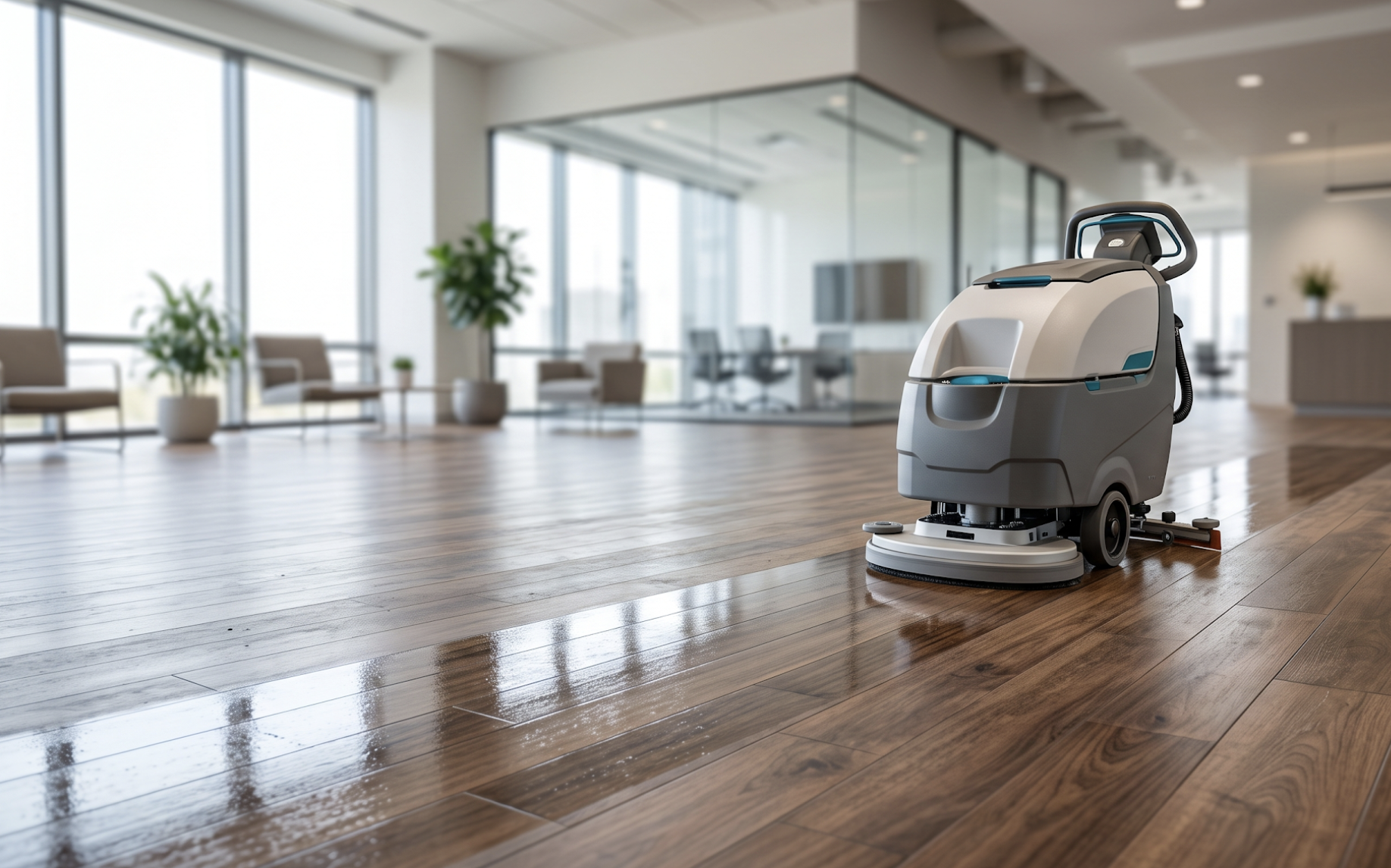
Start with a soft bristle broom or dust mop to remove loose dirt without scratching the surface. A vacuum without a beater bar is essential, since a beater bar designed for carpet can gouge vinyl plank flooring. A microfiber mop is ideal for damp cleaning because it picks up dirt without leaving excess water behind. For stains and scuffs, keep non abrasive scrubbing pads on hand rather than steel wool or harsh scouring pads. If you manage a commercial facility, a low speed single disc floor machine or an auto scrubber can make deep cleaning large areas far more efficient than mopping by hand.
Recommended Cleaning Solutions
A pH neutral floor cleaner or a cleaning solution made specifically for vinyl floors is the safest choice for routine mopping. If you prefer a natural option, diluted white vinegar mixed with water works well as a gentle cleaning solution for everyday use. Keep in mind that recommended solutions can vary depending on the specific vinyl product line, so it is worth checking the manufacturer guidance for your flooring before settling on a go to cleaner.
How to Clean LVP and LVT Floors Daily
Daily light cleaning is one of the simplest ways to prevent scratches. Loose dirt, sand, and grit that sit on the floor get ground into the surface with every step, so a quick daily routine goes a long way toward protecting the finish.
Step 1: Sweep or Vacuum First
Always remove loose dirt and debris before any wet cleaning. Sweep with a soft bristle broom or use a vacuum on the bare floor setting, and make sure the vacuum does not have an active beater bar. This first step clears away the grit that causes the most scratches on vinyl plank flooring.
Step 2: Damp Mop with a Vinyl Friendly Cleaner
Once loose dirt is gone, damp mop the floor using a well wrung microfiber mop and a mild, pH neutral or vinyl friendly cleaning solution. Avoid soaking the mop or pouring cleaning solution directly onto the floor. Too much water can seep into the seams between planks and cause damage over time, so a lightly damp mop is all you need.
Step 3: Dry Any Wet Spots
After mopping, dry any remaining wet spots right away with a clean cloth or dry mop. This prevents moisture from working its way between planks, reduces slip hazards, and keeps the floor looking streak free.
How to Deep Clean LVP and LVT Floors
Beyond daily upkeep, LVP and LVT floors benefit from a deeper clean on a weekly or monthly basis depending on foot traffic. Homes with pets or high traffic commercial spaces may need deep cleaning more often, while lower traffic areas can go longer between sessions.
Using a Low Speed Floor Buffer or Auto Scrubber
For a thorough deep clean, spray a pH neutral cleaning solution over a section of the floor and buff it in with a low speed floor buffer fitted with a white or other non abrasive pad. Work in side to side motions across manageable sections, then mop up any residue with clean water. For larger commercial facilities, an auto scrubber can cover more ground in less time while still being gentle enough for vinyl surfaces when used with the correct pad and solution.
Steam Mopping Considerations
Steam cleaning can be used on some LVP and LVT floors, but only on the lowest heat setting and with a microfiber cover on the steam mop head. Excessive heat is one of the biggest risks to vinyl flooring, since it can warp the planks or weaken the adhesive holding them in place. Always check your specific manufacturer guidelines before introducing steam cleaning into your routine, and when in doubt, stick with a damp microfiber mop instead.
How to Disinfect LVP and LVT Floors
For disinfecting, a diluted white vinegar solution is a safe, natural option for everyday sanitizing. If you need a stronger disinfectant, a diluted bleach solution can also be used on most luxury vinyl flooring, but it should always be rinsed thoroughly with clean water afterward to prevent residue buildup. Wear gloves and ensure good ventilation whenever you are working with bleach, and never mix bleach with ammonia based cleaners.
How to Remove Stains, Scuffs, and Spills
Spills, scuffs, and stains happen, especially in busy homes and high traffic facilities. The key is addressing them quickly, since letting a spill sit can lead to a stain that is much harder to remove later.
Everyday Spills
Wipe up everyday spills as soon as they happen using a damp cloth. Quick action prevents liquids like juice, coffee, or grease from soaking into the seams or leaving behind a lasting mark.
Scuff Marks
For scuff marks, rub the area gently with a damp microfiber cloth in a circular motion. If the scuff does not lift easily, mix baking soda with a small amount of warm water to form a paste, apply it to the mark, and rub gently before wiping clean with a damp cloth.
Tough Stains (Food, Rust, Grass, Ink, Makeup)
Different stains call for different approaches. Food stains and grass stains often respond well to a vinegar and baking soda paste left to sit for a few minutes before wiping away. Rust stains may need a bit more patience, but the same paste method combined with gentle scrubbing usually does the trick. Ink stains and makeup can typically be lifted with isopropyl alcohol applied to a clean cloth, while paint splatters often respond to a small amount of mineral spirits used sparingly. Whatever method you use, always finish by rinsing the area with clean water to remove any leftover residue.
What to Avoid When Cleaning LVP and LVT Floors
Certain habits and products can do more harm than good on luxury vinyl flooring. Avoid steel wool and other abrasive scrubbers, which can scratch the wear layer. Skip ammonia based cleaners and standard household detergents or soaps, since these can leave a dull film or break down the floor's finish over time. Wax and solvent based polishes are not designed for vinyl and can leave a sticky or uneven residue. Be careful with excessive water or standing water, since it can seep between planks and cause buckling. Rubber backed mats should also be avoided, as they can react with the vinyl and cause discoloration. Finally, limit prolonged heat or direct sun exposure, which can fade or warp the flooring over time.
How to Protect Your LVP and LVT Floors Long Term
A few preventive habits can significantly cut down on repairs and deep cleaning down the road. Place walk off mats at entrances to catch dirt and grit before it reaches the flooring. Use felt or other non staining furniture pads and casters under chair and table legs to prevent scratches from daily use. When moving heavy furniture or appliances, use rugs, slider pads, or wood runways instead of dragging items directly across the floor. Limiting direct sunlight exposure with blinds or curtains during peak hours also helps prevent fading and keeps your luxury vinyl tile looking consistent across the whole space.
Choosing the Right Equipment for LVP and LVT Floor Care
The right equipment makes floor care faster and more effective, and the ideal setup depends on the size of your space and how much traffic it sees. For homes and small offices, a quality vacuum without a beater bar paired with a microfiber mopping system covers most needs. Larger commercial facilities benefit from investing in a low speed floor machine that can handle both routine buffing and periodic deep cleaning across wide open areas. Facilities with heavy foot traffic can also pair a buffer or auto scrubber with an industrial floor sweeper to clear loose dirt and debris before any wet cleaning begins, which helps protect the vinyl surface and saves time on the deep clean itself.
Frequently Asked Questions
Here are answers to some of the most common questions about cleaning and maintaining LVP and LVT floors.
How often should I clean LVP or LVT flooring?
Sweep or vacuum daily to prevent scratches from loose dirt, and damp mop with a vinyl friendly cleaning solution a few times per week depending on foot traffic. Homes and facilities with heavier use should aim for a deeper clean weekly, while lower traffic areas can typically go longer between deep cleaning sessions.
Can I use a steam mop on LVP or LVT floors?
Steam mopping is possible on some luxury vinyl flooring when used on the lowest setting with a microfiber cover, but high heat can warp the planks or damage the adhesive underneath. Always check your manufacturer's guidelines first, and consider sticking with a damp mop if you are unsure.
What is the best cleaner for luxury vinyl plank floors?
A pH neutral, vinyl friendly cleaning solution is generally the safest choice for regular mopping. Many people also mix one cup of white vinegar with a gallon of warm water as an affordable, natural alternative. Avoid ammonia based cleaners, wax based polishes, and standard household soaps, since these can dull the finish or leave residue behind.
How long do LVP and LVT floors last with proper maintenance?
With consistent care, luxury vinyl plank and luxury vinyl tile can last up to twenty five years. Routine sweeping, gentle mopping, and avoiding harsh chemicals or excessive water are the biggest factors in helping your flooring reach its full lifespan.
Keep Your Vinyl Floors Looking New with the Right Routine and Equipment
Consistent daily care paired with periodic deep cleaning is the simplest way to keep luxury vinyl plank and luxury vinyl tile floors looking new for years. Sweeping or vacuuming to remove loose dirt, mopping with a gentle vinyl friendly solution, and addressing spills and stains right away will protect your investment in this durable, affordable flooring option. For facilities that need to cover more ground, the right low speed floor machine or auto scrubber can make deep cleaning faster and more effective. Browse our selection of floor machines to find the tools that fit your space and keep your floors in top condition.