How to Dispose of Waste Water from Industrial Floor Cleaners
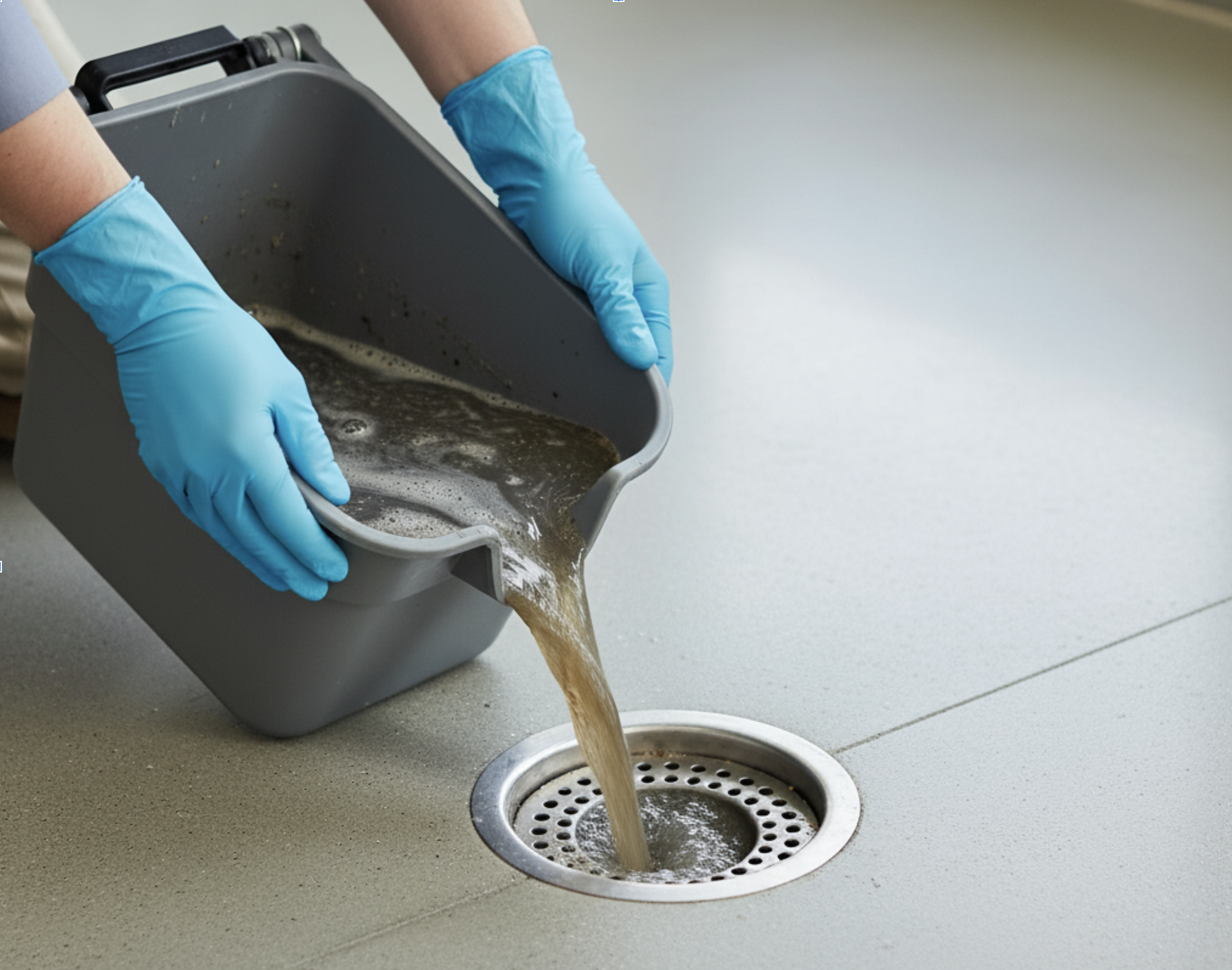
Dealing with wastewater from industrial floor cleaners isn’t the flashiest part of running your operation, but it’s absolutely one of the most crucial. Whether you’re running a small janitorial team or managing a large facility that relies on floor scrubbers daily, handling that dirty water properly can save you from headaches down the line—think fines, legal trouble, or worse, environmental damage you can’t undo. So, here’s the lowdown on how to safely and smartly dispose of the wastewater you generate.
Why Proper Waste Water Disposal Matters
Environmental and Health Risks
Now, here’s the thing—floor cleaning wastewater doesn’t just contain water. Nope, it’s a cocktail of dirt, grease, oils, cleaning solution residues, and even those pesky carpet fibers you’re trying so hard to remove. If you dump all that nastiness into the wrong place—say, storm drains or storm sewers—you’re basically inviting trouble. These contaminants can wreak havoc on ecosystems, polluting rivers, lakes, or whatever body of water is unfortunate enough to be downstream. Moreover, hazardous microorganisms lurking in that dirty waste water can pose health risks—not just for wildlife, but for humans as well.
Legal Compliance and Liability
On top of that, there's the legal angle. Environmental regulations aren't just suggestions; they're enforceable laws. We’re talking federal bodies like the EPA as well as local and municipal bylaws. These laws usually insist you dispose of floor cleaning wastewater through a proper sanitary sewer system. Discharging waste into storm drains or straight onto the street? That’s a big no-no with serious liability reasons. Imagine the cost of fines—not to mention the damage to your reputation. You don’t want that kind of headache.
Step-by-Step Guide to Disposing of Waste Water Safely
1. Filter the Waste Water First
It might seem obvious, but filtering your waste water should be step one—no ifs, ands, or buts. Using both coarse and fine filters helps catch everything from big chunks of carpet fibers to smaller debris. Think of these filters as your first line of defense against clogged drains and plumbing nightmares. Plus, clean water flows easier when you’re ready to dispose, saving you time and money in the long run.
2. Separate Hazardous Materials
This is where things get a bit more nuanced. Sometimes, your wastewater isn’t just dirt and water. It could contain hazardous materials—things like solvents, oils, and other chemicals mixed in with the cleaning solution. Identifying these is crucial because you can’t just pour hazardous waste down the drain. Instead, these substances need to be handled separately and taken to a licensed hazardous waste facility. Sure, it’s extra effort, but remember—better safe than sorry.
3. Dispose Through an Approved Sanitary Sewer
Here’s a golden rule that we always emphasize: never, under any circumstances, dump your floor cleaning wastewater into storm drains. They lead directly to the environment without treatment, and that’s a recipe for disaster. Instead, find an approved sanitary sewer system connection—often a dedicated mop sink or facility-provided drain—that will funnel the water to a municipal treatment plant. This step ensures that your dirty water gets properly treated before rejoining the water cycle.
4. Keep Disposal Logs
We know paperwork isn’t thrilling, but keeping detailed disposal logs can be a lifesaver, especially when regulators come knocking. Track what cleaning solutions you use, where and how you dispose of waste water, and any incidents involving hazardous materials or blockages. Not only does this help you stay compliant, but it also provides documentation for liability reasons, which can protect your business in a pinch.
Where NOT to Dump Waste Water
- Dumping floor cleaning wastewater into storm drains or surface water like ponds and rivers? Absolutely not. That’s like tossing a ticking environmental bomb.
- Avoid the temptation to get rid of waste on streets, parking lots, or open soil unless you have clear permission and legal clearance.
- And please, don’t think the public mop sink or bathtubs near food preparation or personal hygiene areas are fair game—they’re off limits for a reason.
Alternatives and Special Cases
Using Private Land (With Permission)
Here’s a bit of nuance: in some regions, discharging wastewater onto private land is allowed—but it comes with strict conditions. This practice is only acceptable if the wastewater won’t runoff into public waterways or storm drains. So, if you’re thinking about this option, make sure you have written permission and take every precaution to prevent contamination. It’s a tricky balance, but definitely doable if you’re careful.
Mobile Cleaning and Truck-Mounted Systems
Got a mobile cleaning business or truck-mounted floor scrubbers? Wastewater disposal can be a juggling act. Many operators either transport their dirty water to designated disposal sites or rely on client-approved mop sinks and drains. If that sounds like your setup, planning your routes and disposal stops intelligently can save you loads of time and frustration—plus keep you out of hot water (legally speaking).
Reducing Waste Water Generation
One of the smartest moves is to produce less waste water in the first place. Look into eco-friendly cleaning solutions—these tend to be less harmful and reduce the level of contaminants in your waste. Also, machines with larger capacity tanks can help you cut down on how often you have to dispose. It’s not just good for the earth; it’s better for your workflow, too.
Tips for Responsible Waste Water Management
- Train your staff on the ins and outs of local disposal regulations and best practices—knowledge is power, after all.
- Make sure all disposal containers, mop sinks, and waste storage are clearly labeled to avoid mix-ups.
- If you have the budget, consider investing in wastewater filtration or recycling systems. It might seem pricey, but it pays off in the long run.
- And always, whenever possible, choose environmentally friendly cleaning agents that keep your waste water cleaner and the planet happier.
Practical Tips for Safe, Legal, and Eco-Friendly Waste Disposal
At the end of the day, dealing with industrial floor cleaner wastewater might not be glamorous, but it’s absolutely essential—for your business, for your community, and for the environment. Following these guidelines ensures you’re crossing your t’s and dotting your i’s, while doing your part to protect our shared resources. So, roll up your sleeves, get the waste disposal right, and know you’re making a difference that counts. After all, isn’t that the kind of business owner you want to be?