How to Improve Water Flow on a Floor Scrubber
Proper water flow in your floor scrubber is crucial for achieving efficient cleaning and maintaining the longevity of your floors. When water flow is optimal, your floor scrubbing machine can apply the right amount of cleaning solution to the floor surface, aiding in removing dirt effectively while preserving the floor's finish. Insufficient or irregular water flow can lead to poor cleaning results, potential damage to floors, and may also stress the vacuum system and recovery tank, ultimately impacting the performance and lifespan of your floor scrubber machine.
Common Causes of Poor Water Flow in Floor Scrubbers
1. Empty or Incorrectly Filled Solution Tank
One of the simplest yet most overlooked causes of poor water flow is an empty or improperly filled solution tank. The solution tank holds the cleaning solution which is essential for scrubbing floors effectively. If you fail to fill the solution tank up to the fill line or if the water quality in the tank is compromised, the machine may not dispense solution adequately. Always ensure fresh water and the correct cleaning chemical mixture is added to the solution tank according to the manufacturer’s guidelines.
2. Clogged Hoses, Valves, or Filters
Clogs within your floor scrubber's hoses, valves, or solution filter can obstruct water flow and reduce cleaning effectiveness. These clogs might be caused by debris, hardened cleaning solution, or foreign objects trapped in the vacuum hose or suction hose, both critical to the machine’s suction system. Pay attention to signs of restricted water flow and inspect the suction filter and solution filter regularly. A clogged hose or filter can also cause the recovery tank and suction system to function improperly.
3. Damaged or Worn Components
Wear and tear on parts such as hoses, valves, and filters can lead to cracks, leaks, or blockages, all of which impair water flow. Components exposed to regular use—including the squeegee blades and squeegee assembly—might degrade over time, affecting both water dispersion and the vacuum system’s ability to collect dirty water. Replacing worn or damaged parts promptly ensures your scrubber dryer maintains its cleaning performance and avoids floor scrubber problems that arise from neglected maintenance.
4. Faulty Water Dispersion System
The water dispersion system, controlled by solenoids and the solution control mechanism on your floor scrubber machine, is responsible for releasing the cleaning solution onto the floor pads. If solenoids malfunction or electronic controls fail, water may not flow correctly. This issue can often be subtle and requires testing solution control settings and sometimes professional diagnosis to fix.
Step-by-Step Troubleshooting for Water Flow Issues
Check and Refill the Solution Tank
Begin your troubleshooting by verifying the solution tank's water level. If the tank is below the fill line, refill it with the appropriate cleaning solution and water mixture. Be careful not to overfill, as this may cause overflow and damage to other components.
Inspect and Clean Hoses and Filters
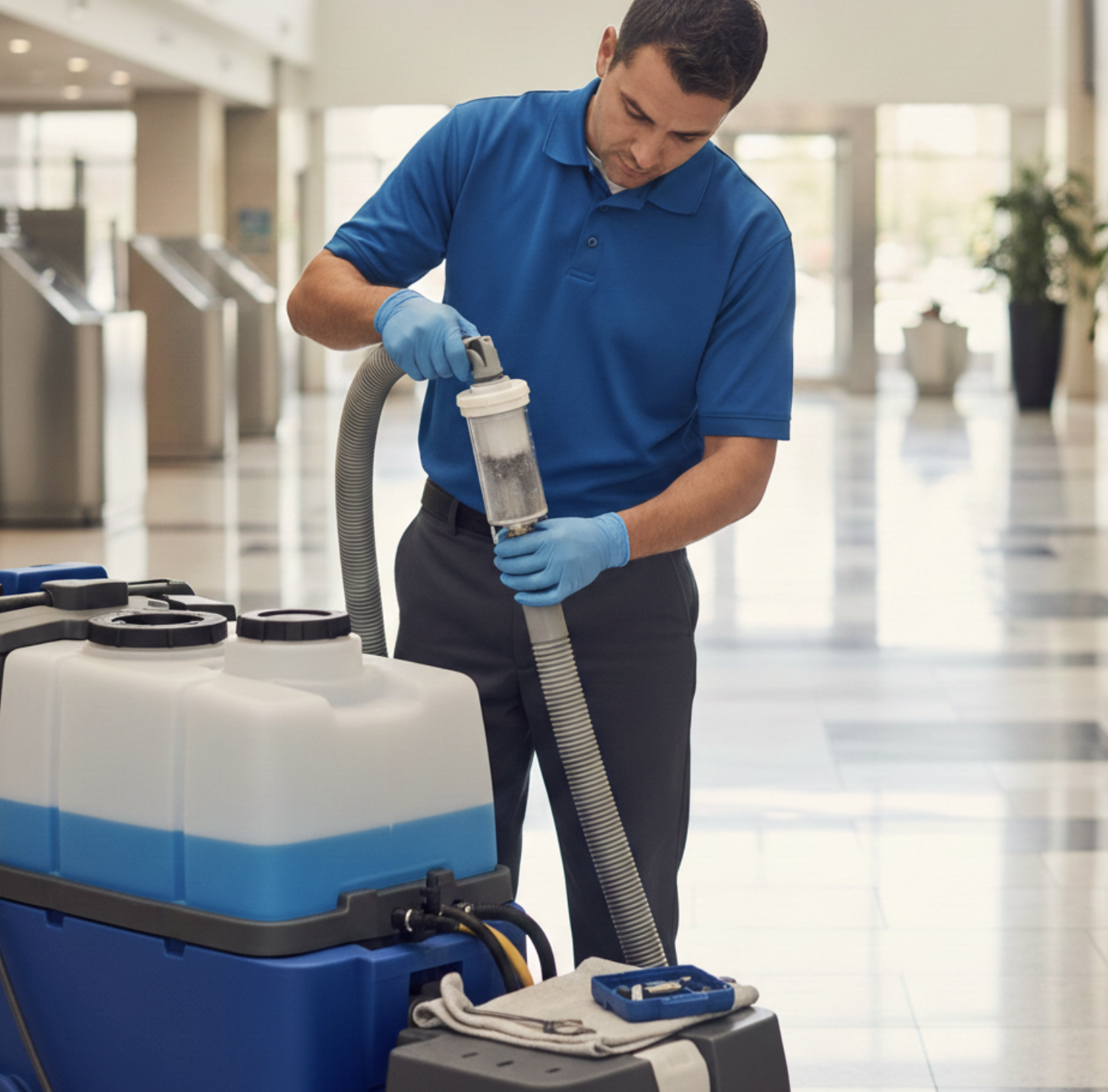
Next, examine the hoses (including the suction hose and vacuum hose) for any visible blockages or kinks. Remove and clean the solution filter and suction filter to ensure no debris is preventing smooth water flow. Additionally, check the debris tray for accumulated dirt that could worsen clogs.
Examine and Replace Damaged Parts
Look for cracks, leaks, or damage in hoses, valves, and other components. The squeegee blades and squeegee assembly should be intact and flexible for proper floor drying. Replace any damaged parts to restore full function and avoid further floor scrubber problems.
Test the Solution Control Settings
Activate the floor scrubbing machine and observe whether water dispenses when expected. Adjust solution control settings and ensure solenoids are functioning properly. If water still does not flow despite proper tank filling and no visible blockages, consult a professional technician who can diagnose electronic or mechanical failures.
How to Maintain Optimal Water Flow
Regular Cleaning of Hoses, Filters, and Valves
Schedule routine cleaning of all solution and suction hoses, filters, valves, and the solution tank to prevent build-up of debris and hardened residue. Regular maintenance prevents clogged hoses and common floor scrubber problems related to water flow.
Routine Inspection of Solution Tank and Components
Inspect the solution tank for cracks or supply issues and confirm the fill line is visible and clearly marked. Check brush condition and pad pressure settings; the correct brush and appropriate pad pressure avoid uneven floors and support consistent solution distribution.
Proper Storage and Handling to Avoid Damage
Store your floor scrubber machine indoors, away from extreme temperatures and moisture that can deteriorate hoses, filters, and the power cord. Handle the machine carefully during transport to protect the squeegee assembly and other sensitive parts from damage.
Choosing the Right Floor Scrubber and Accessories
Consider Machine Size and Type for Your Cleaning Environment
Select a floor scrubber machine suitable for your floor type and cleaning area size. Larger scrubber dryers with wide scrubbing paths are best for spacious areas, while compact models maneuver better around obstacles in tight spaces or uneven floors.
Selecting Compatible Brushes, Pads, and Chemicals
Use floor pads and brushes compatible with your machine and floor surface to enhance cleaning performance. The correct brush combined with proper pad pressure and suitable cleaning chemicals ensures optimal water flow and efficient soil removal.
Importance of Using Manufacturer-Recommended Parts
Always use parts and accessories recommended by your scrubber dryer’s manufacturer. Non-approved parts can compromise performance and water flow, potentially void warranties and cause further floor scrubber problems.
Best Practices for Using Your Floor Scrubber to Maintain Water Flow
Pre-Cleaning Preparation
Before operating the floor scrubber, remove loose debris from the surface as much as possible. Check that the solution tank is filled correctly at the fill line with the right cleaning mixture. Inspect the recovery tank and vacuum hose for cleanliness and functionality.
Operating the Machine on Appropriate Settings
Adjust water flow, pad pressure, and brush pressure settings according to the floor type. Softer floors require gentler settings, while higher pressure may be needed for hard surfaces. Correct settings ensure even cleaning and prevent damage.
Post-Cleaning Care
After use, empty both the recovery tank and solution tank to avoid stagnant water. Clean all parts, including the vacuum hose, squeegee blades, and debris tray. Recharge batteries and coil the power cord properly for the machine’s longevity.
When to Call a Professional for Repair
Certain floor scrubber problems—such as persistent water flow issues despite troubleshooting, electronic control malfunctions, or serious component damage—require expert repair. Engage a qualified technician to diagnose and service your floor scrubber machine to avoid further damage and ensure safety.
Maximize Your Floor Scrubber's Performance with Proper Water Flow Maintenance
Maintaining proper water flow in your floor scrubber is essential for efficient cleaning performance and floor longevity. Regular checks of the solution tank, hoses, filters, and other components combined with timely maintenance and appropriate operation settings will help you avoid common floor scrubber problems. By following these guidelines, you can ensure your floor scrubbing machine consistently delivers top cleaning results, reduces downtime, and extends the life of your equipment.
Keeping your floors impeccably clean and well-maintained requires reliable floor scrubbers that deliver consistent performance. At PS Janitorial, we offer a wide range of commercial floor scrubber machines—both brand new and expertly refurbished—to suit various cleaning needs and budgets. Whether you're tackling large commercial spaces or smaller areas, our scrubbers ensure optimal water flow, efficient debris removal, and superior cleaning results. Choosing the right equipment and maintaining it properly is key to extending your scrubber’s life and achieving spotless, professional floors every time. Trust PS Janitorial to provide quality floor scrubbers and knowledgeable support that keep your cleaning operations running smoothly without overspending.