How to Properly Clean and Sanitize Your Floor Scrubber’s Tanks
Let’s be honest—your floor scrubber is a workhorse, slogging through grime day in and day out. But here’s the kicker: if you don’t give its tanks the love they deserve, you’re basically inviting trouble—bacteria, mold, and downright nasty smells. We’ve seen this firsthand with one of our clients who skipped proper maintenance and ended up with a recovery tank that smelled like a locker room after a marathon game. That’s why we want to walk you through cleaning and sanitizing those all-important solution and recovery tanks, so your equipment (and your nose) stay happy and healthy.
Why Cleaning and Sanitizing Your Scrubber Tanks Matters
You might think, “I’m already cleaning floors, isn’t that enough?” Not quite. Neglecting your scrubber’s tanks can lead to a buildup of sludge and foul odors—not just unpleasant, but harmful bacteria magnet stuff. Plus, dirty tanks can wreak havoc on the lifespan of your floor scrubber. That vacuum motor and solution tank aren't immortal, you know. The buildup chokes off water flow, and before you know it, your machine’s performance tanks (pun intended). Basically, keeping tanks clean means your floor pads do their job better, your auto scrubber runs smoother, and you keep the workplace safe for everyone, from both the operator to anyone walking those floors.
Understanding Your Floor Scrubber’s Tank System
The Solution Tank
Think of the solution tank as your auto scrubber’s pantry for clean water mixed with your chosen cleaning solution. If it gets crusted with leftover chemicals or clogs, your entire floor cleaning machine’s effectiveness takes a nosedive. Nobody wants erratic chemical delivery or weird streaks on the floor.
The Recovery Tank
This is where the dirty water goes, along with trapped debris. It’s the unsung hero that often gets ignored but boy, does it need some attention. A neglected recovery tank turns into a bacterial breeding ground and can cause odors so bad you’ll wonder if you cleaned or added to the mess! An unhappy recovery tank also stresses the vacuum motor, leading to poor water recovery.
Common Signs Your Tanks Need Attention
So, how do you know if your tanks need some TLC? If you’re noticing lingering odors after draining—don’t shrug it off. Or, spot any sludge or that grimy film buildup? That’s a red flag. Reduced suction and clogs—especially in filters and hoses—are like your machine’s cry for help. Don’t ignore them, or else your maintenance tasks just got a lot bigger.
Step-by-Step: How to Clean and Sanitize Floor Scrubber Tanks
1. Drain the Solution and Recovery Tanks
Start strong by draining both tanks completely after each use. Sounds basic, right? But you’d be surprised how many skip this step. Use your drain hose if you’ve got one, or pour into a mop sink carefully. Why? Leaving dirty water or cleaning solutions sitting invites sludge, and nobody’s got time for that.
2. Rinse Thoroughly with Clean Water
Next, rinse those tanks out thoroughly. A powerful hose helps blast away sediment, debris, and leftover chemicals. Trust me, a little extra rinsing goes a long way in preventing grime buildup and keeps your cleaning equipment running smoothly.
3. Clean the Float Shut-Off Filter and Hoses
Here’s where most folks get lazy. Don’t just overlook that float shut-off filter and vacuum hose—they’re the gatekeepers of your machine’s suction. Remove, rinse, and let them dry completely before popping them back in. Wet filters? Nope. That’s a recipe for mildew or worse.
4. Sanitize the Tanks
Now, the magic touch: sanitization. Grab a non-corrosive, EPA-approved disinfectant or a mild bleach solution (yes, bleach can be your friend when used right). Fill each tank partially, let it sit for 10-15 minutes—think of it as a spa treatment for your scrubber—and then rinse thoroughly. It’s how you kill off the bacteria and zap away those odors.
5. Leave Tanks Open to Air Dry
Don’t just slam those lids shut after cleaning. Give the tanks some fresh air by propping them open. Good ventilation keeps mold and mildew out of the picture, and honestly, it keeps your scrubber happier for the long haul.
6. Wipe Down External Surfaces
While you’re at it, grab a microfiber cloth and clean around tank lids and seals. Those areas trap dirt and germs that can jump right back into the recovery tank if left unchecked.
7. Inspect for Damage or Leaks
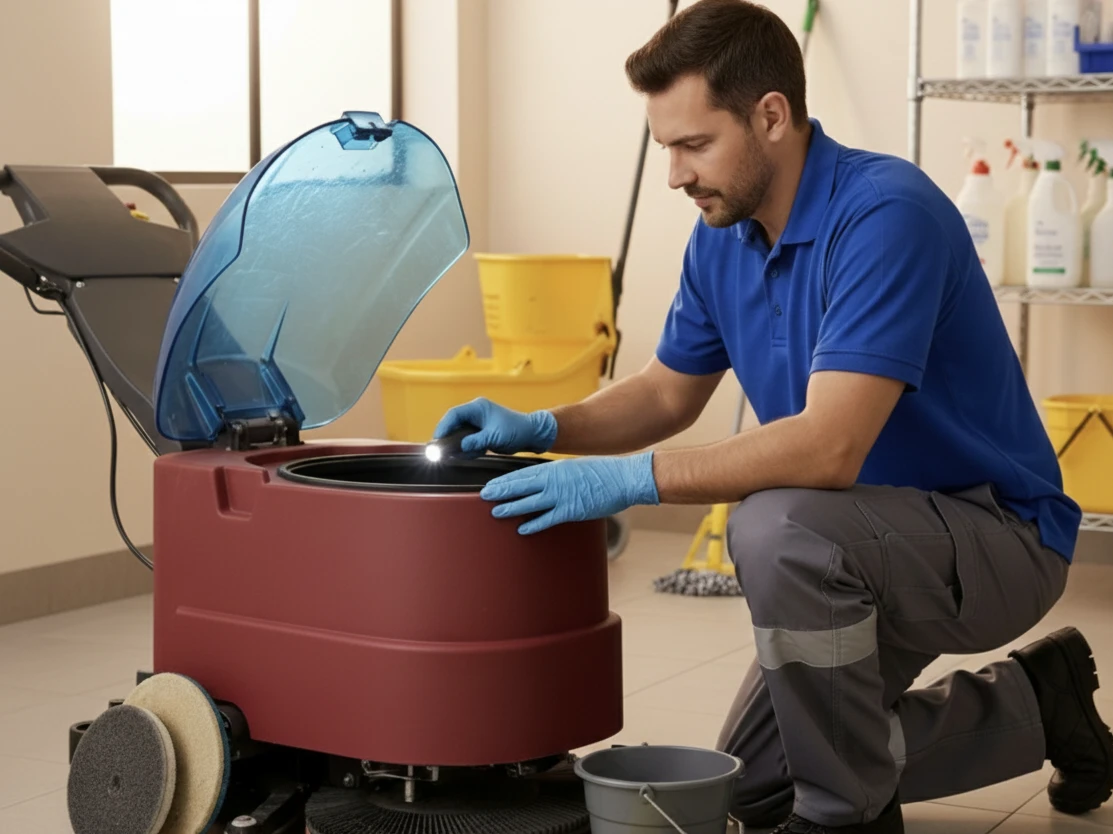
Before you call it a day, take a moment to look over your tanks. Are there cracks? Loose seals? Anything that looks like it could spring a leak or contaminate your cleaning solution? Catching these early avoids nasty surprises during future cleaning tasks and saves you from costly repairs.
Bonus: Maintenance Tips for Long-Term Tank Health
- Daily rinsing is your friend—make it a habit, especially if your scrubber sees heavy duty use.
- Sanitize weekly to keep things fresh, particularly important in busy environments like healthcare or food service.
- Filters shouldn’t be a “set it and forget it” deal; clean them weekly.
- Stick to manufacturer-recommended cleaning chemicals to avoid damage and maintain the delicate balance your machine needs.
- Store your scrubber with lids open in a dry, ventilated spot—that’s preventive maintenance 101.
Common Mistakes to Avoid
How many times have we seen these slip-ups? Skipping rinsing? Talk about asking for trouble.Mixing chemicals without knowing what you’re doing can seriously mess up your tanks. Closing lids tight after cleaning sounds neat but really traps moisture—hello, mold! Oh, and let’s not forget forgetting to clean filters and hoses—like leaving food scraps in the fridge. Just don’t.
Keep Your Equipment (and Floors) Truly Clean
You deserve a floor scrubber that works hard without adding headaches. Cleaning and sanitizing tanks regularly might sound like a chore, but it’s the secret sauce behind longevity and spotless results. A well-maintained auto scrubber doesn’t just clean floors better; it creates a healthier environment for your business and everyone in it. So, ready to treat your equipment right?
Looking for industrial floor cleaning equipment? Contact us at PS Janitorial—your one shop for genuine floor scrubbers and solid advice from folks who get it. Because when it comes to cleaning equipment, only the best will do.