
How to Remove Scuff Marks from VCT Tile Without Damaging Finish
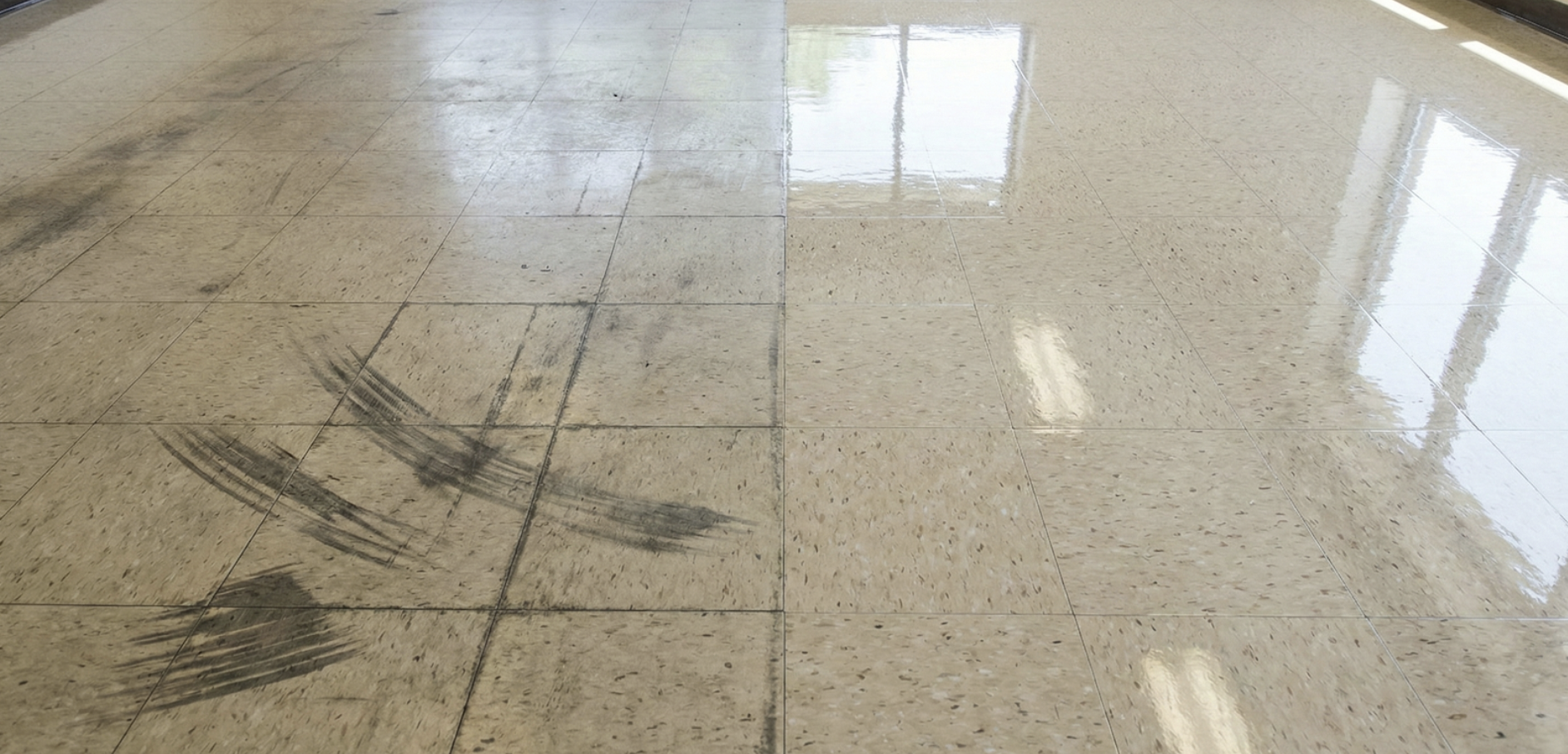
What Are Scuff Marks on VCT and Why Do They Happen?
Understanding Vinyl Composition Tile (VCT)
Vinyl composition tile (VCT) is a popular flooring choice in bustling environments where durability, cost-effectiveness, and easy maintenance are essential. Think of schools, hospitals, supermarkets, and other high-traffic facilities—each relies on the practical benefits of VCT tile. These tiles are engineered from a blend of vinyl resins, fillers, and pigments, resulting in a resilient product that stands up to foot traffic and rolling equipment. However, it’s the protective finish, often a shiny wax or polish, that keeps your tile gleaming and guarded against daily wear. This surface finish, while tough, isn’t invulnerable; it can accumulate scuff marks that compromise your floor’s appearance and make future cleaning more challenging.
Common Causes of Scuff Marks
Most scuff marks on a VCT floor are caused by materials with rubber or hard plastics, which transfer color or friction marks. Everyday culprits include the soles of shoes, especially dark-soled sneakers, moving carts, sliding heavy furniture, or operational equipment. Even the best floor finish can’t always repel abrasions from frequent foot traffic or the sudden drag of a broom handle or chair leg. While these marks generally sit on the surface, a lack of regular cleaning and preventative care can allow them to build up, affecting the overall shine and cleanliness of your space.
Why Improper Cleaning Can Damage the Finish
Too often, you’ll see people reach for tough chemicals, black pads, or abrasive scrubbing machines in an effort to quickly remove scuff marks. Unfortunately, these methods can strip away the protective finish or cause micro-scratches, making the floor more susceptible to dirt, sand, and stains. Using the wrong cleaner—like those with high pH, bleach, or strong acids—can dull the shine and eventually break down the wax or glass-like protective layer. Once the finish is gone, your vinyl flooring loses its defense, leading to premature wear and the need for costly strip and wax jobs.
Preventative Maintenance to Reduce Scuff Marks
Daily Dust Mopping and Routine Cleaning
One of the most effective habits you can establish is daily dust mopping your vinyl composition tile. Use a soft dust mop on a regular basis to pick up the grit, dirt, and adhesive residue that inevitably accumulate in any busy space. Grit on the surface acts like sandpaper against your finish—every pass of a foot or wheel grinds it deeper into the wax. Once you’ve removed loose particles, follow up with a damp mop using a neutral pH cleaner. Avoid over-wetting the tile; a lightly damp mop is enough to lift soil without allowing water to seep into VCT seams, which can eventually degrade both tile and adhesive.
Protective Measures for High-Traffic Areas
Try to intercept the sources of scuff marks before they hit your floor. Invest in entrance mats at every door to trap dirt, sand, and moisture before they have the chance to be tracked onto VCT. Consider adding furniture pads beneath table and chair legs and fitting cart wheels with materials that glide instead of grind. Maintain your carts and equipment regularly—worn wheels produce heat and friction, which increases marking. These preventative steps not only preserve the finish but also cut down on the need for aggressive cleaning equipment later.
Maintaining the Protective Finish
The beauty and longevity of your VCT floor largely depend on the condition of its finish. Regular maintenance means you won’t need to strip and wax as often, and each coat lasts longer. Buffing—whether with a low- or high-speed buffer—restores gloss, heals minor abrasions, and smooths over very light scuff marks. Schedule periodic reapplications of wax or finish as part of your routine, especially in areas subject to heavy foot traffic. A fresh coat acts as a “sacrificial” barrier: It protects the tile itself and makes future scuff removal quicker.
How to Remove Light Scuff Marks Safely
Start with the Least Aggressive Method
When you spot a scuff, address it quickly using a gentle approach. A microfiber cloth or damp mop—just wet, not soaked—with a neutral pH solution is often enough to remove new or light marks. Most scuff marks are superficial, and prompt action ensures they don’t have time to settle into the finish. This process is efficient and safe for the current coat of wax, reducing the risk of damaging the underlying tile or adhesive.
The Tennis Ball Method
For isolated marks—especially those left by shoe soles or cart wheels—a tennis ball is a surprisingly effective tool. Simply cut a small “X” into the ball, insert it onto a broom handle, and gently rub it over the scuff. The slight abrasiveness of the tennis ball’s surface removes marks without scratching or stripping the finish. This “doodle bug” solution is perfect for a quick touch-up without pulling out heavy equipment.
Using a Soft Pad for Slightly Stubborn Scuffs
When a mark resists manual wiping or the tennis ball, use a white or tan pad with a low-speed buffer or hand holder. Always select the gentlest pad first and avoid “black pad” types, which are meant for stripping. Work slowly, use clean water or approved cleaner, and test a small area before tackling a larger spot. Proper pad use prevents surface scratches while targeting only the mark, not the finish itself.
Removing Moderate to Heavy Scuff Marks with Equipment
Choosing the Right Floor Machine
If marks persist or multiply in high-traffic areas, it’s time to bring in specialized equipment. For controlled, thorough scuff removal, a low-speed buffer is your safest bet. After marks are gone, a high-speed buffer will restore the high gloss so prized in commercial spaces. If you’re facing scuffs that cover wide expanses—think gymnasiums or corridors—an autoscrubber can apply cleaning solution, agitate dirt, and vacuum away debris all in one pass, making prep work efficient.
Selecting the Proper Floor Pad
Picking the correct pad for your equipment and floor finish is key. White and tan pads are considered “soft,” designed to clean or buff without removing more finish than necessary. Use the least aggressive pad type that gets the job done, and never jump straight to a more abrasive option unless absolutely necessary. Aggressive pads can “sand” away the finish, leaving the tile exposed and dull. Check compatibility with your equipment and always inspect for residue or missed spots after cleaning.
Burnishing to Restore Shine
Once you’ve removed the scuff marks, use a high-speed buffer with a natural fiber pad to burnish the floor. Burnishing produces heat through friction, leveling out minor scratches, and enhancing the gloss. This process can often make your vinyl composition tile look as if you’ve applied a new finish without actually re-waxing, saving both time and product. Regular burnishing as part of your regular maintenance will extend the life of your wax and preserve that just-done shine.
When Basic Methods Are Not Enough
Using Mild Alkaline Cleaners
Occasionally, marks persist despite your best cleaning efforts. When this happens, turn to a mild alkaline cleaner, diluted according to manufacturer guidelines. These cleaners break down oily or sticky residues that can trap dirt within scuffs. Apply only to the affected area and avoid prolonged contact or over-wetting—this helps protect the integrity of the finish, tile, and adhesive below.
Spot Treatment with Care
Rarely, you’ll encounter scuff marks made by heavy furniture or equipment that don’t respond to standard methods. In these cases, an approved solvent may be necessary. Always test a small, inconspicuous spot first to watch for color or shine changes. Apply solvents sparingly with a cloth rather than pouring directly onto the vinyl, and rinse the treated area with clean water. Remember, solvents can quickly strip not only marks but also protective coatings—use with restraint and attention.
Aftercare: Protecting the Floor Finish
Rinse and Dry the Surface
After you finish scuff removal, it’s critical to rinse the floor with clean water and allow it to dry thoroughly. This step removes any cleaner or residue that could lead to streaks, spots, or premature dulling. Never use excessive water, especially around seams—standing liquid can seep under the tile, compromising the adhesive and promoting future issues.
Reapply Finish if Necessary
When aggressive pad use or solvent treatment is required, the finish may lose its luster or get thinned out. If you notice dull spots or diminished shine, reapply a thin, even layer of compatible floor finish. Restoring a fresh coat maintains gloss, offers renewed protection, and reduces the visibility of future marks. Keeping a well-maintained finish not only upholds the look of your floor but also makes every subsequent cleaning task less demanding.
Common Mistakes to Avoid
Take care not to use abrasive black pads, harsh commercial strippers, concentrated bleach, or acidic cleaners on your VCT. These products are intended for heavy-duty strip and wax situations and will quickly degrade a maintained surface. Likewise, don’t oversaturate the floor with water; excessive wetting weakens seams and can undermine your tile’s stability. Always choose your cleaning method based on the severity of the mark, starting with gentle approaches and moving up only when truly necessary.
Expert Tips for Long-Lasting, Scuff-Free VCT Tile
Protecting your VCT tile’s shine and longevity is entirely achievable when you take a thoughtful, measured approach to scuff mark removal. By beginning with the gentlest methods and selecting the correct pads, cleaners, and equipment, you avoid unnecessary wear and preserve the high gloss finish that makes your floor stand out. Regular cleaning and preventative routines, like dust mopping and placing furniture pads, help stave off future marking. If you ever need to reapply a fresh coat of wax or finish, see it as an investment in the ongoing beauty and durability of your VCT. With these best practices, your floors will remain clean, glossy, and resilient for years, making every square foot in your store, facility, or school a source of pride.