
How To Tell If A Deep Cycle Battery Has Gone Bad
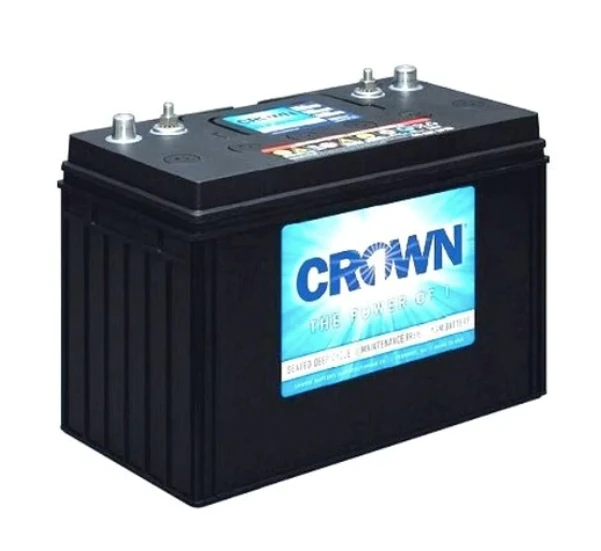
Deep cycle batteries tend to last much longer than almost any other style in their specific class, but that doesn’t mean the day won’t come when you’ll have to replace one. It can be hard to tell when a battery might have failed. That’s especially true when dealing with deep cycle models because these batteries have a tendency to outlast the competition.
We asked the experts at Performance Systems Janitorial for a few hints on how to figure out when the time has come to get rid of a specific battery pack in your equipment.
Performing A Basic Deep Cycle Battery Inspection
It shouldn’t be difficult to perform an inspection regardless of what kind of gear you’re working with. Regardless of whether you’re checking the batteries in a golf cart or a floor scrubber, safely disconnect the power and open up the battery compartment. If you see any physical damage to the battery case or the terminals, then you’ll need to replace the battery. Technicians have long recommended that consumers regularly do this and clean their battery’s contacts in order to ensure that their batteries last as long as possible.
While you have the protective covering removed, you’ll also want to take a few moments to check the electrolyte levels and make sure that the plates are covered. While the water added to a flooded battery cannot act as an electrolyte on its own and maybe somewhat incorrectly referred to as a coolant in some pieces of literature, it is an important component of the electrolytic substance itself. Though the electrolyte in many deep cycle batteries is a combination of straight distilled water and acid, you’ll only ever want to add water.
Assuming that all of this checks out, try charging the battery fully. You might want to remove any surface level of charge by putting it to use for just a few minutes to level it out.
Batteries that don’t charge up fully might be going bad. You’ll want to seriously consider replacement in this case. Depending on the type of battery you’re working with, you might even want to take a measurement with a voltmeter to see if it’s putting out the amount of current that it’s supposed to be. Check the label on the front of the battery or examine the manufacturer’s original specifications to see what that value should actually come out.
Keep in mind that when working with batteries you are working with electricity, so you’ll want to take all of the necessary precautions to ensure that you’re staying safe. The substrates used inside of battery cells may also be caustic, so you should again be careful whenever working with them.
Replace Bad Deep Cycle Batteries With Help From PS Janitorial
PS Janitorial wants to help you with load tests and battery types. While deep cycle batteries should last a while, you’ll eventually need to acquire some new ones. Take a moment to jot down the dimensions of the batteries you’re working with as well as their voltages.
If you’re having a hard time finding information on them, then make sure to contact PS Janitorial online. Our team of seasoned representatives will make sure to help you find everything you need to get some new cells. Find energy sources that last for a long time.