The Power of Pre-Sweeping: Why Floor Sweepers Are Essential?
Let’s set the scene. You’ve lined up a full day of cleaning—machines prepped, crew in place—and then? You realize there’s a stubborn layer of dust and debris sabotaging your whole cleaning process. Sound familiar? That’s why, in real-world operations, we’re huge advocates for pre-sweeping. Think of it as the unsung hero before the floor scrubbers roll out. The power of pre-sweeping isn’t just hype; it’s the smart move that makes the rest of your cleaning process actually stick. Forget the humble broom—industrial floor sweepers operate at a whole different level, delivering the kind of dust control and coverage you simply can’t get by hand.
What is Pre-Sweeping?
So, what’s this pre-sweeping we keep harping on? In simple terms, it’s the essential first sweep that gets rid of loose dust, dirt, grit, wrappers—whatever’s lurking before any wet or specialized floor scrubbing machine hits the floor. Trust us, skipping this part? Bad idea. That’s how you get clogged machines, streaky floors, jammed filtration systems, and wasted cleaning solutions.
Let’s be honest: if you take a top-notch floor scrubber or even a heavy-duty walk behind floor model into a dusty, unswept area, you’ll only end up scratching your surfaces and wrecking your equipment. The filtration system will throw a fit—assuming the brushes haven’t worn down in protest first. Pre-sweeping isn’t just “nice to have”—it’s vital for maintaining cleanliness and protecting your investment.
What is a Floor Sweeper?
A quick primer—floor sweepers are purpose-built cleaning machines. Their specialty? Grabbing and trapping all those loose, dry particles that can make later cleaning steps a nightmare. Unlike floor scrubbers, which need a cleaning solution and a lot of elbow grease, a cleaning machine like a floor sweeper relies on smart engineering: rotating brushes, suction system, and a debris hopper. They’re nothing like the old manual cleaning routines you might remember.
And let’s give credit where due—industrial floor sweepers operate on an entirely different playing field. Whether you lean toward walk behind sweepers or need a burly ride on sweeper for your warehouse, these machines keep dust out of your air, your lungs, and your weekend. They tackle everything from wayward bolts to stray dirt piles. This is how you maintain cleanliness—without going a little mad along the way.
How Do Floor Sweepers Work?
The Sweeping System
It all starts with the sweeping system. This clever setup—usually a combination of main rotating brushes and maybe a few side ones—lifts grime and debris. The sweeping system consists of enough brush power to flick dirt from nooks, crannies, and those weird corners you never knew collected so much mess.
The Suction and Filtration System
After that, the suction unit kicks in. This part sucks up fine dust into a tight filtration system—no clouds of dust swirling around. Honestly, it’s a relief for anyone who's survived a dust storm from an overzealous broom (we’ve been there). Industrial floor sweepers’ filter cleaning systems keep particles in check, keeping air quality safer for all.
The Debris Hopper and Dumping System
Everything these machines pick up has to go somewhere, right? That’s where the debris hopper (the sweeper’s stomach, if you will) steps in. Depending on your setup, you could be simply popping out a small tray, or letting a ride on sweeper’s hydraulic dumping system do the heavy lifting—literally. When you’re working with hazardous material or large piles, this feature alone is worth its weight in gold.
Types of Floor Sweepers
Manual Sweepers
Manual sweepers are, let’s face it, a bit retro. They’re push-and-go, powered by old-fashioned human energy and the reliable mechanical action of rotating brushes. Quiet? Absolutely. Effective for huge spaces? Not so much. These beasts are best for low-traffic, small areas where manual cleaning won’t sap your team’s spirits.
Walk-Behind Floor Sweepers
Next up, walk behind floor sweepers. Plug them in or grab the battery, and you’re off. They offer more oomph—better suction, bigger cleaning width, plus those ever-important filtration systems. If you’ve got mid-sized spaces like school halls or lobbies, you’ll appreciate their maneuverability. Just be ready to put in some steps.
Ride-On Floor Sweepers
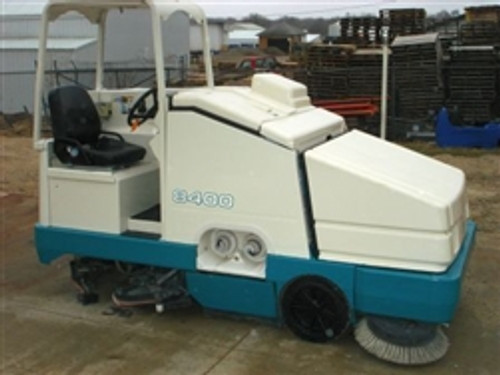
Now, for the big leagues: ride on sweepers. These are the Ferraris—room to sit, wide sweeping paths, monster debris hoppers, and filter cleaning systems that practically show off. If thousands of square feet stand between you and lunchtime, these machines will get you there with minimal sweat and maximum efficiency.
Comparison Table:
|
Sweeper Type |
Advantages |
Disadvantages |
Best For |
|
Manual Sweepers |
Affordable, maintenance is a breeze, uses zero electricity |
Slow-going, weak on dust control, you’ll feel it in your arms the next day |
Little offices, tiny messes |
|
Walk-Behind Sweepers |
Quick, user-friendly, handles fine dust well |
Not for big areas unless you’re marathon training |
Schools, clinics, moderate retail |
|
Ride-On Sweepers |
Fastest, most thorough, gigantic debris load |
Costs more upfront, plus storage isn’t always simple |
Warehouses, factories, sprawling car parks |
Surfaces and Environments Where Floor Sweepers Shine
Industrial floor sweepers operate like champs on large concrete slabs, with enough muscle to clear pallet chips and mystery debris from warehouse lanes.
For retail or commercial floors, a walk behind sweeper is a must for those high-traffic entranceways and checkout zones. Nobody likes a crunchy underfoot experience—staff or customers.
Outside, ride on sweepers dominate. We’re talking gravel, parking lot litter, fall leaves—you name it. Manual cleaning? Good luck. Here, go big or go home.
Let’s not overlook hospitals and schools. High foot traffic plus sensitive air quality? You need consistent pre-sweeping, not just for looks, but for everyone’s health and wellbeing.
The Benefits of Pre-Sweeping with Floor Sweepers
Improved Cleaning Efficiency
Get the dry stuff out of the way, and floor scrubbers work their magic far more efficiently. The cleaning solution actually meets the floor (not a stack of dirt), so your floor scrubbing machine isn’t fighting an uphill battle.
Enhanced Safety and Dust Control
Good filtration systems aren’t just about compliance—they help keep surfaces grippy and air clear. When a sweeping system locks debris down, your people aren’t breathing it or slipping on it. It’s smarter and safer.
Cost and Time Savings
Your machines last longer, and your team’s not doubling back to redo missed spots. With an efficient dumping system, your operators stay in the zone—no running out to the dumpster every ten minutes.
Professional Appearance and Consistency
You know the satisfaction of seeing sparkling, uniform floors? Industrial floor sweepers operate reliably and remove variance. Your space always looks ready for business, which is hard to achieve with manual cleaning.
Eco-Friendly Advantages of Floor Sweepers
Let’s face it—nobody wants a bigger carbon footprint if it can be helped. Modern floor sweepers, especially those with advanced filter cleaning systems, cut down airborne emissions and reduce reliance on water or harsh chemicals. Every time you use a proper cleaning machine, you’re making your entire cleaning process greener and more cost-effective. Ride on sweepers and walk behind sweepers also consume less power than a battalion of brooms—good news for both the planet and your electricity bill.
When Should You Use a Floor Sweeper?
Not sure when to break out your sweeper? Here’s a cheat sheet:
- Before you scrub or mop a large stretch of floor.
- If there’s visible debris that might eat your floor scrubbing machine for lunch.
- In spots that see more shoe treads than a marathon—high-traffic zones, in other words.
- Ahead of waxing, polishing, or laying down any specialty cleaning solution.
Cutting corners here? Expect shorter machine life and lackluster cleaning outcomes.
Choosing the Right Floor Sweeper for Your Facility
Key Factors to Consider
- How big is your cleaning challenge? Warehouses typically cry out for ride on sweepers, while tight retail aisles work well with walk behind floor sweepers.
- What kind of debris are you fighting—metal scraps? Food wrappers? Make sure your machine has the sweeping and filtration system for the job, and that the debris hopper holds enough to cut down dumping breaks.
- Indoors or out? Outdoor models need tough suspension and hearty suction. Indoors, focus on high-end filtration systems for that fine, annoying dust.
- Budgeting? Don’t just look at sticker prices. Consider the eventual maintenance—filters, brushes, and any random part that inevitably needs TLC. Models with smart, accessible parts design are a godsend for those inevitable service calls.
The Bottom Line: Why Pre-Sweeping Makes All the Difference
When it comes to the cleaning process, pre-sweeping isn’t just another chore. It’s the base layer that sets up every other cleaning solution for success. Invest in the right floor sweeper, and you’ll see it—cleaner floors, better air, lower costs, and less drama over brush replacements or suction system repairs. Whether you’re running a massive factory, a hospital ward, a corner store, or a city lot, the right sweeping system keeps you ahead of the mess, every time.
Ready to Transform Your Facility? Let’s Get Sweeping
If you’re ready to up your cleanliness game, let’s make it official. Check out PS Janitorial’s wide range of industrial floor sweepers: from manual to walk behind to ride on sweepers. Not sure which cleaning machine fits your needs? We’ll walk you through it, literally. Questions? We love those. Contact us. With our help, staying clean gets a whole lot easier—and a little more fun. Let’s make every cleaning process shine!