
The Ultimate Guide to Deep-Cycle Battery Maintenance for Your Scrubber
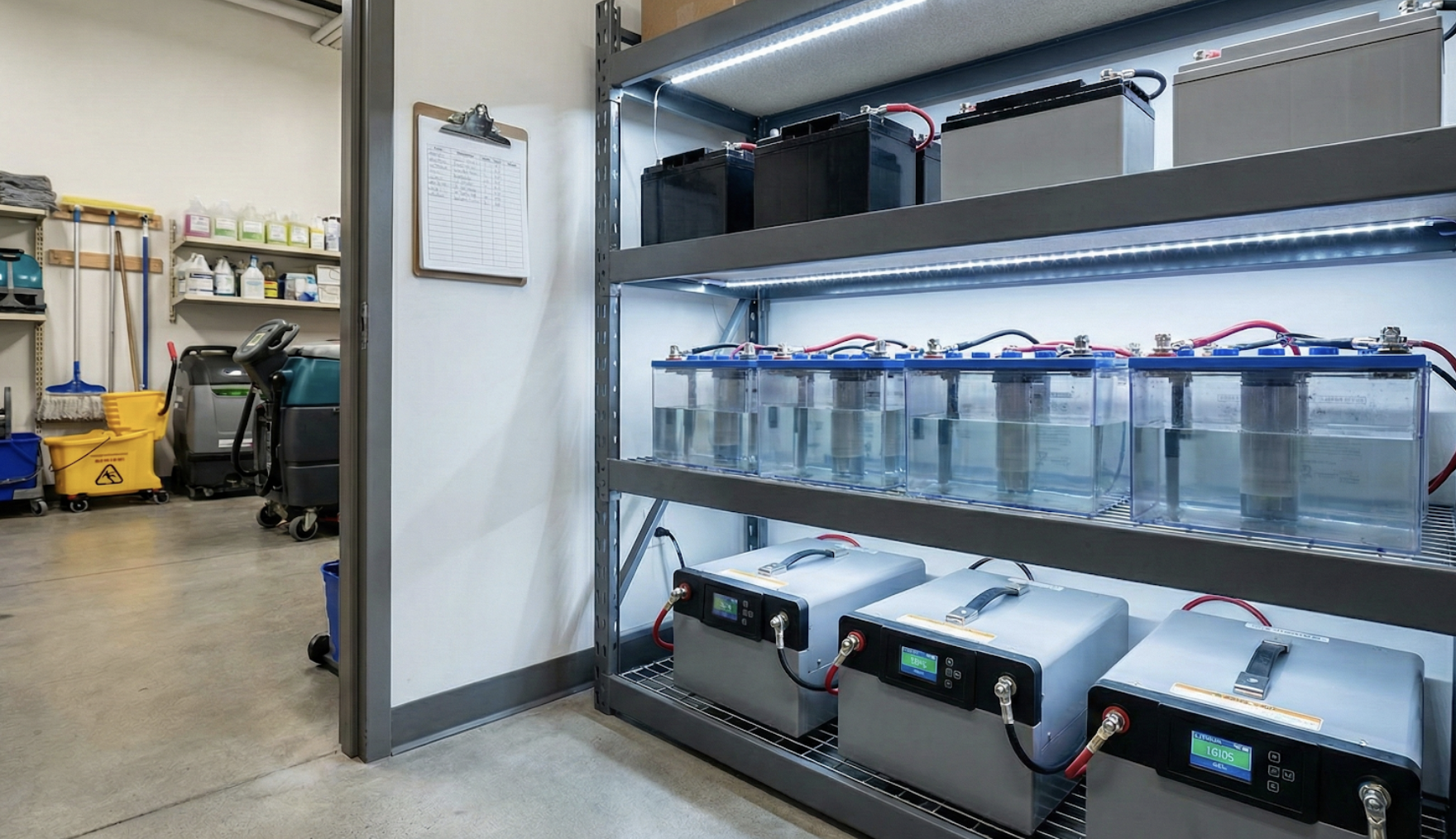
Let's be honest—battery maintenance might not be the most thrilling topic, but if you want your floor scrubber to keep humming along without throwing a fit, it's absolutely essential. We’ve seen firsthand how a little attention to your deep cycle batteries can pay off big time: longer battery life, smoother machine performance, and far fewer unexpected downtime headaches. After all, nobody wants to be stuck in the middle of a cleaning job because their scrubber batteries have called it quits early. So, if you’re ready to treat your equipment right and save money in the long haul, buckle up—we’re diving into the nitty-gritty of proper battery maintenance for your scrubber.
Understanding Deep-Cycle Batteries for Floor Scrubbers
You might wonder—what’s the deal with deep-cycle batteries anyway? Well, unlike the car batteries most folks think of, which deliver quick bursts of power, deep cycle batteries are built to power your scrubber steadily and reliably over longer stretches. They’re the workhorses behind your machine, designed to handle repeated charging and discharging without flinching.
Now, when it comes to floor scrubbers, these batteries have to deliver consistent juice, and their performance hinges on a few key aspects: battery capacity (how long they run before needing a recharge), voltage (which must line up exactly with what your scrubber demands), and the cycle life (how many times you can drain and recharge before they start losing steam). Keeping an eye on these can make all the difference.
Types of Batteries Used in Floor Scrubbers
Flooded Lead-Acid Batteries
Despite being the old-timers in the lineup, flooded lead acid batteries are still going strong for many. What makes them stick around? Well, they’re pretty cost-effective and durable if you’re willing to roll up your sleeves.
The catch? They need regular checking—refilling electrolyte levels is par for the course, and never with just any water; only distilled water will do the trick. Skimp on that, and you could be looking at reduced battery life or worse. Plus, keeping those battery terminals free of corrosion requires some elbow grease.
On the upside, flooded batteries deliver solid battery capacity, but the downside is, they can be a bit fussy—ventilation is a must due to the gases they emit during charging. It’s a classic case of “you get what you pay for,” but if you’re happy to stay on top of maintenance, these can be reliable buddies.
AGM (Absorbent Glass Mat) Batteries
If you hate fussing over batteries but still want solid performance, AGM batteries might be your best bet. They pack the electrolyte into a fiberglass mat, making the battery spill-proof and much easier to live with since they require minimal maintenance.
These babies charge quicker, take a beating when vibration comes into play, and won’t leave you constantly checking fluid levels. Sure, they cost a bit more upfront, but the hassle saved often justifies the price.
Gel Lead-Acid Batteries
Gel batteries are slightly different in that their electrolyte is in a gel form, preventing leaks and spills. They tolerate deep discharges better and can handle extremes in temperature, making them a solid choice if your scrubber works overtime or in challenging environments.
They’re virtually maintenance-free, but watch out—they don’t like overcharging. Proper chargers and mindful charging habits are key here. You wouldn’t want to nibble at your battery’s lifespan by letting it overcharge, right?
Lithium-Ion Batteries
Ah yes, the shiny new kid on the block—lithium ion batteries. These are the dream for anyone who wants high capacity, lightweight batteries that deliver exceptional performance without much fuss. Minimal maintenance, rapid charging, and longer cycle life make lithium batteries particularly attractive, especially if your scrubber is a vital cog in a busy operation.
Of course, they aren’t cheap. Plus, lithium batteries sidestep many of the issues lead acid batteries face, like corrosion on battery terminals and off-gassing.
How to Choose the Right Battery for Your Floor Scrubber
Picking the right battery isn’t just about grabbing the cheapest or flashiest model—it’s about tailoring the choice to your specific machine and how you run your operation. First up, voltage and amp-hour rating need to match what your scrubber’s manufacturer recommends. Running a battery that’s out of spec? Recipe for poor battery performance and a short life.
Then there’s usage. Are you running your scrubber for quick touch-ups or full-blown deep cleans? Longer runtimes call for batteries with more capacity. Maintenance-wise, if you’re the type who’d rather set it and forget it, AGM or lithium batteries might be more your speed, but if budget’s tight and you don’t mind a bit of maintenance, flooded lead acid batteries can still fit the bill.
And speaking of budgets, don’t just consider upfront cost. Total cost of ownership—that’s purchase price plus replacement frequency and downtime costs—is what really matters. If you’re weighing lithium versus lead acid options, remember that lithium batteries often pay for themselves over their longer life and performance gains.
Best Practices for Deep-Cycle Battery Maintenance
1. Checking and Refilling Electrolyte Levels (If Applicable)
If your scrubber is rocking flooded lead acid batteries, staying on top of electrolyte levels is crucial. Here’s the rundown:
- When to check: After every 20-30 charge cycles or if you notice diminished runtime.
- How to check: Always wear gloves and eye protection; handle batteries in a well-ventilated area.
- What to use: Only distilled water—tap water’s minerals can wreck your battery cells.
- Tip: Don’t overfill. Electrolyte should cover the plates but not overflow.
2. Correct Charging Procedures
Charging might seem straightforward, but getting it wrong can sabotage your batteries.
- Use the charger designed for your battery chemistry—AGM, gel, flooded or lithium ion all have different needs.
- Follow charging schedules religiously; don’t top the battery up halfway through a cleaning shift if it needs a full cycle.
- Avoid sulfation by fully charging the battery regularly.
- Connect chargers properly—usually positive to positive, negative to negative—and always follow safety guidelines.
3. Cleaning and Inspecting Battery Terminals and Connections
Corroded battery terminals and battery connections? No thank you.
- Regularly inspect and clean terminals with a baking soda solution—just a teaspoon in a cup of water works wonders.
- Use a soft brush or old toothbrush to scrub away corrosion gently.
- Disconnect batteries before cleaning to avoid shocks.
- After cleaning, apply a thin layer of petroleum jelly or terminal protectant to fend off future corrosion.
4. General Machine Maintenance Tips
Battery health can also hinge on how well you treat your floor scrubber itself.
- Empty rinse tanks after use to avoid gunky buildup.
- Clean brushes, pads, and squeegees thoroughly; dirty components make your machine work harder, chewing through battery capacity.
- Descale regularly and keep moisture buildup in check to prevent internal damage that strains the battery.
5. Monitoring Battery Age and Usage
Batteries don’t last forever, and knowing when to retire them can prevent surprise shutdowns.
- Typical lifespan varies: flooded lead acid around 1-2 years, AGM and gel often a bit longer, lithium pulling 3-5 years.
- Watch for signs like sudden runtime drops or inability to hold charge.
- Test battery voltage and try load tests if you suspect performance problems.
- If in doubt, replacement is cheaper than losing machine uptime mid-shift.
Common Issues and Troubleshooting
If your scrubber’s running time suddenly takes a nosedive, chances are sulfation or battery cell damage is to blame. Chargers that don’t match your battery chemistry can wreak havoc, so double-check compatibility. When using multiple batteries, imbalanced charge levels can throw off battery performance—balancing or replacing batteries might be necessary. Don’t ignore these signs; catching them early saves you from bigger headaches.
Battery Storage and Safety Considerations
Not everyone has the luxury of perfect storage conditions, but doing your best counts.
- Keep batteries in a cool, dry place away from direct sunlight or freezing temperatures.
- Handle batteries gently—no dropping or banging around.
- Follow proper disposal methods; these batteries aren’t garbage.
- Safety first: wear gloves and goggles during maintenance, avoid metal tools shorting terminals, and keep sparks far, far away.
The Power of Proper Battery Care for Your Floor Scrubber
At the end of the day, keeping your floor scrubber batteries in prime condition is about more than just avoiding downtime—it’s about protecting your investment and ensuring your cleaning operations run without a hitch. With a bit of proper maintenance, timely care, and smart battery management, your scrubber machines won’t just get by; they’ll outperform expectations. And that’s exactly where we come in.
Here at PS Janitorial, we know how critical reliable equipment is for your business—whether you’re maintaining a cozy office or a sprawling industrial facility. Our selection of floor scrubber batteries, combined with trusted advice on battery maintenance, helps you keep your floors spotless while steering clear of those unexpected—and costly—breakdowns.
So, why settle for short runtimes and frustrating interruptions when the right battery care and support from PS Janitorial can keep you one step ahead? Because, let’s be real, a well-kept battery is often the unsung hero powering a consistently clean floor—and a happier you.