Top 3 Carpet Pre-Treatment Methods That Actually Work
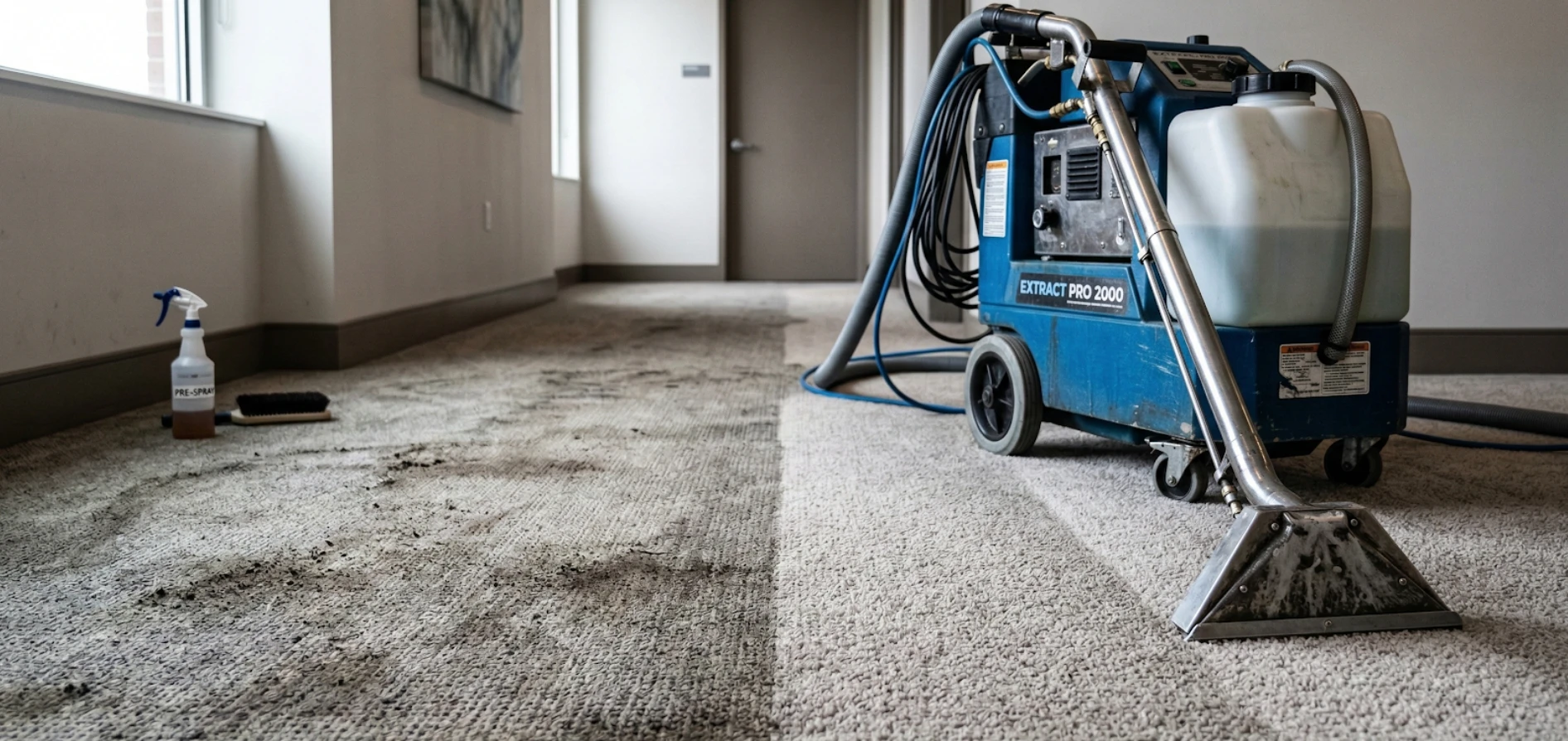
Why Carpet Pre-Treatment Matters Before Deep Cleaning
If you want the best carpet cleaning results, pre-treatment is the most important step you can take. Before you even break out your hot water extraction system or start steam cleaning, applying the right pre-treatment can make all the difference. Over time, carpets accumulate dirt particles, oils, and stains that actually adhere to or penetrate carpet fibers. These soils and sticky residues can become tightly bonded, making them difficult to remove with extraction alone.
This is where professional carpet cleaners have the edge: the most popular carpet cleaning methods always begin with a thorough pre-treatment process. By targeting stains and embedded soils ahead of time, you dramatically increase how much dirt and grime is released during cleaning. The carpet dries faster, deep stains lift out more effectively, and the cleaning solution doesn’t need to work as hard. Pre-treatment also protects carpet fibers and carpet backing from permanent damage, extending carpet life and leaving you with truly clean carpets.
The Role of Pre-Treatment in Professional Carpet Cleaning
Professional cleaning isn’t just about powerful extraction equipment. The real secret lies in how you prepare the fibers first. Pre-treatments—whether chemical or mechanical—penetrate the carpet, breaking down soil, oils, and contaminants before you start hot water extraction, carpet shampooing, or dry cleaning. By loosening soils and emulsifying oils, the cleaning products you use in the main cleaning step become far more effective. This translates to less work, less risk of excessive moisture, and less chance of stains or odors remaining after the carpet dries.
Common Carpet Soils That Require Pre-Treatment
- Oils and grease: From tracked-in body oils to cooking residue.
- Food and beverage stains: Wine, coffee, soda, and sauces can bond with carpet fibers.
- Pet stains and organic residues: Urine, vomit, or tracked-in animal debris.
- Embedded dirt and tracked-in soil: Fine particles ground deep into the pile, especially in high-traffic zones.
These types of contamination often demand a specific pre-treatment strategy, or you risk leaving tough stains or sticky residue behind.
Method #1: Carpet Pre-Spray (Chemical Soil Breakers)
Pre-spray is among the best carpet cleaning methods for tackling heavily soiled carpets. With this approach, you spray a carefully formulated cleaning solution—often a blend of detergents and soil-breaking agents—across the carpet surface before the main cleaning. The objective is to dissolve stubborn soils, oils, and grease so they can be removed during extraction.
How Carpet Pre-Sprays Work
When you apply a carpet pre-spray, special cleaning agents work their way into carpet fibers, targeting soil at the molecular level. These chemicals break the bond between soils and fiber, suspending dirt particles and oils so they can be extracted. This is especially effective prior to hot water extraction, as the cleaning solution can then rinse away loosened contaminants, leaving carpets truly clean.
Best Situations for Using a Pre-Spray Treatment
- High-traffic commercial areas: Where embedded dirt accumulates rapidly.
- Heavily soiled carpets: The more contamination, the more essential pre-spray becomes.
- Restaurants and office environments: These areas see repeated spills and oil buildup.
By using pre-sprays, you ensure effective removal of stains and reduce cleaning time—key for professional cleaners working on tight schedules.
Tips for Applying Carpet Pre-Spray Effectively
- Apply evenly across the carpet surface: Uniform coverage prevents missed spots.
- Allow proper dwell time: Let the chemicals sit so they can penetrate and work on tough soils.
- Avoid over-saturating the carpet: Too much moisture can lead to carpets soaking wet and increase the risk of mold growth in the carpet backing.
Method #2: Agitation-Based Pre-Treatment
Mechanical agitation is a cornerstone of deep cleaning and often follows chemical pre-spray. Agitation involves using specialized tools to work cleaning solutions deep into carpet fibers, ensuring even coverage and maximum soil release.
Why Agitation Improves Pre-Treatment Results
When you agitate carpet fibers, you’re lifting the pile, distributing cleaning solutions evenly, and physically loosening dirt particles that have settled deep within the carpet. This process helps to lift soil and break up sticky residues that pre-spray chemicals have softened, making it much easier to remove stains during extraction or dry cleaning.
Types of Agitation Tools Used in Carpet Cleaning
- Counter-rotating brush machines: These specialized machines use counter-rotating brushes to agitate the pile from multiple angles, excellent for deep cleaning.
- Carpet rakes or grooming tools: Effective for residential carpets and distributing cleaning products.
- Rotary floor machines with carpet brushes: Rotary action helps with heavily contaminated or matted carpets.
When Agitation Is Most Important
- Deeply embedded soils: Dirt that’s woven deep into the pile.
- Commercial carpets with heavy foot traffic: Where standard extraction isn’t enough.
- Sticky residues or grease contamination: Agitation helps break up and remove what chemicals alone leave behind.
Method #3: Targeted Spot and Stain Pre-Treatment
Not all stains respond to general cleaning agents. That’s why targeted spot and stain pre-treatment is essential for certain messes. Before you start any larger carpet cleaning project, target deep stains and tough spots with specialized products. This method is crucial for removing dirt and contaminants that are oil-based, protein-based, or prone to setting if ignored.
How Spot Treatments Break Down Stains
These formulations contain cleaning agents designed to react with specific stain molecules—dissolving coffee, red wine, food grease, or pet messes so they can be extracted or blotted away. By neutralizing or breaking down the chemical structure of the stain, these products prevent permanent discoloration and keep your carpets looking fresh.
Examples of Stains That Need Targeted Pre-Treatment
- Coffee and beverage stains: Acidic and often set quickly.
- Grease and oil-based stains: From both food and machinery.
- Food and organic spills: Including sauces, syrups, and protein-based residues.
- Pet accidents: Where enzyme spotters may be needed to break down organic material.
Best Practices for Spot Pre-Treatment
- Blot instead of scrubbing: Scrubbing can push the stain deeper or damage fibers.
- Treat stains as quickly as possible: Immediate action produces the best carpet cleaning results.
- Use appropriate chemistry for the stain type: Not all cleaning solutions are effective on every stain; use spotters matched to the specific contaminant.
How to Choose the Right Pre-Treatment Method
The most effective pre-treatment for your carpets depends on fiber type, the nature of the soils, and your planned cleaning methods. A synthetic fiber in a high-traffic lobby will need a different approach than a delicate wool carpet in your living room.
Factors That Affect Pre-Treatment Effectiveness
- Carpet fiber type: Nylon, wool, polyester, or blends react differently to cleaning products.
- Soil composition: The source of contamination (oil, organic, mineral) dictates chemistry and technique.
- Traffic levels: Higher traffic brings more embedded dirt and calls for more aggressive pre-treatment.
- Cleaning method being used: Not all pre-treatments are suitable for steam cleaning, hot water extraction, or dry carpet cleaning.
Combining Multiple Pre-Treatment Methods
Professional carpet cleaners often stack their methods for the best results. A chemical pre-spray may be paired with mechanical agitation, followed by targeted spot treatment for stubborn stains before extraction. Combining approaches ensures you lift soil efficiently, shorten cleaning times, and avoid excessive moisture.
Common Carpet Pre-Treatment Mistakes to Avoid
- Skipping dwell time: Not letting solutions sit reduces their effectiveness.
- Over-wetting carpets: Too much moisture can damage the carpet backing and delay drying.
- Using incorrect chemicals: The wrong cleaning products can leave residue, damage fibers, or fail to remove stains.
- Failing to agitate the cleaning solution: Without agitation, soil remains trapped deep within the pile.
Pre-Treatment Is the Key to Better Carpet Cleaning Results
If you’re aiming for cleaner, brighter, and longer-lasting carpets, pre-treatment isn’t optional—it’s necessary. These three top methods—pre-spray application, mechanical agitation, and targeted spotting—aren’t just the foundation of professional cleaning, they’re the best carpet cleaning methods for those tough stains and deep cleaning challenges you face in your home or business. Proper pre-treatment lifts soil, prevents excessive moisture, and ensures every carpet cleaning session delivers on its promise.
Recommended Equipment for Effective Carpet Pre-Treatment
To make pre-treatment easier and more effective, invest in professional-grade tools like powerful carpet extraction equipment, rotary floor machines with carpet brushes, and counter-rotating brush machines. Paired with the right cleaning solution, these machines ensure your carpets get the proper deep clean, remove stains fully, and dry quickly—so you can enjoy clean carpets that last.
Choosing and combining the right carpet pre-treatment methods will help you get the most from your cleaning products, lift even the most stubborn stains, and keep your carpet fibers looking their best year after year.