Top 4 Floor Sweeping Techniques for Maximum Dust Control in Warehouses
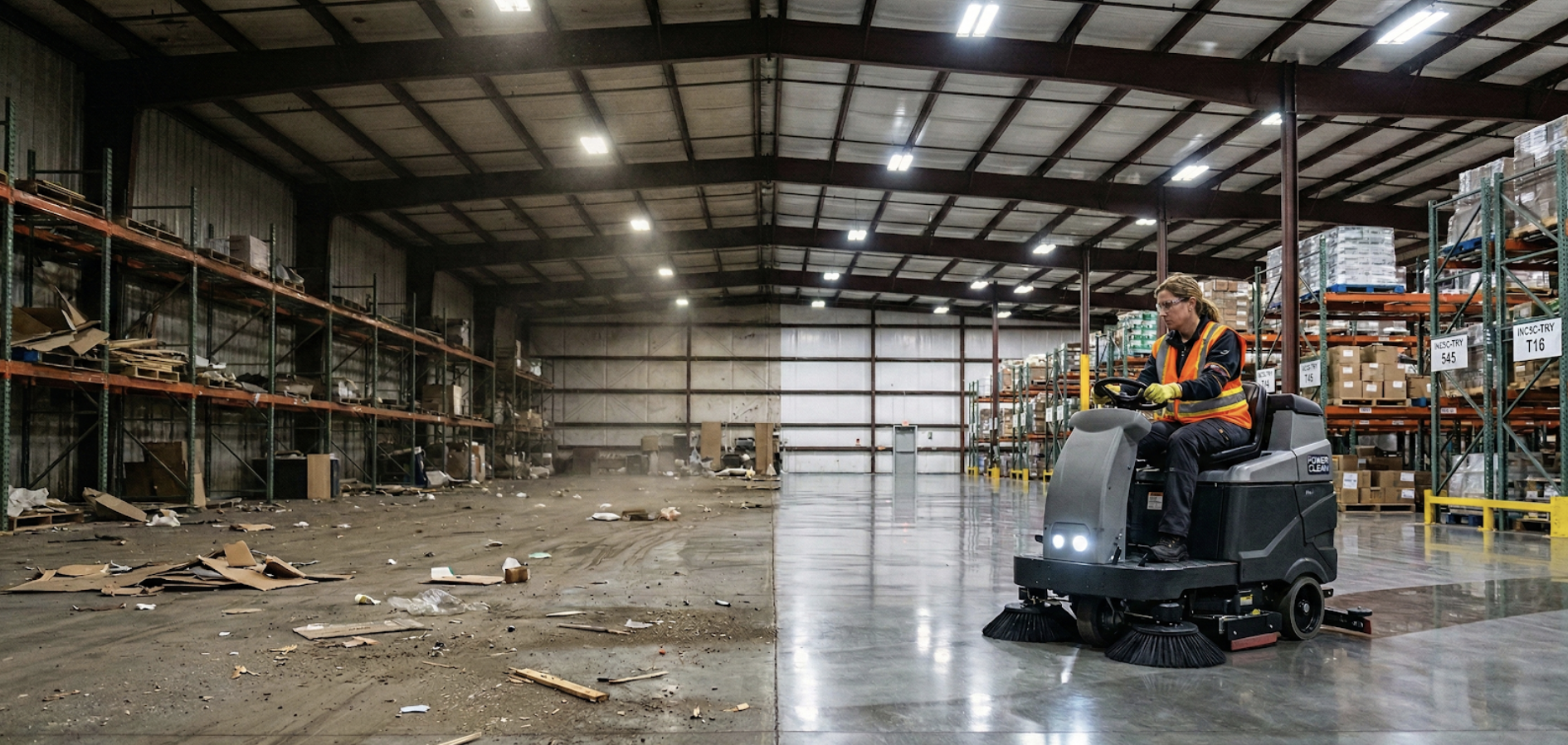
Effective floor sweeping and dust control aren’t just good habits—they’re vital components of your warehouse cleaning strategy. Without a disciplined process, dust buildup on warehouse floors can lead to a cascade of problems: compromised air quality, shortened equipment lifespan, greater slip hazards, and reduced operational efficiency. Warehouses are dynamic environments, with forklift traffic, open loading docks, and ongoing inventory movement churning up loose debris daily. Maintaining a clean and safe environment isn’t just about appearances; it directly supports productivity, regulatory compliance, and the well-being of everyone working in your facility.
Understand the Importance of Proper Sweeping
Regular sweeping is foundational to any effective cleaning process in a warehouse.
- Helps reduce slip, trip, and fall hazards by removing dust and debris that can make surfaces slippery or obscure hazards.
- Prevents dust buildup, which can infiltrate and damage sensitive industrial cleaning equipment, from forklifts to floor scrubbers.
- Improves overall air quality, minimizing poor air quality conditions that can affect worker health and contribute to absenteeism.
- Maintains workplace cleanliness, fostering a productive work environment and supporting compliance with safety regulations.
By prioritizing warehouse floor cleaning, you minimize day-to-day disruptions and ensure your facility supports efficient, safe operations.
Technique #1: Establish a Regular Sweeping Schedule
Daily Sweeping for High-Traffic Zones
The busiest areas of your warehouse—loading docks, main aisles, and shipping zones—demand special cleaning attention. Implementing a daily sweeping routine in these high-traffic zones eliminates loose debris and dust before it spreads to less active areas. This practice not only keeps the clean floor appearance but also tackles contaminants while they're easiest to control. Consistently addressing these pathways allows you to respond swiftly to any spills or new hazards, maintaining operational efficiency and a safe environment.
Weekly & Monthly Deep Sweeps
Beyond daily routines, it’s essential to conduct more thorough, scheduled cleanings on a weekly or monthly basis. During these deep sweeps, focus on hard-to-reach areas, under racks, and around corners that might escape day-to-day maintenance. Deep cleaning cycles target stubborn dust and residues that accumulate beyond surface levels. Incorporating the right cleaning solution for these periodic tasks further amplifies results, supporting comprehensive warehouse floor cleaning and preventing recurring dust control issues.
Technique #2: Choose the Right Tools & Machines
Industrial Sweepers & Vacuum Systems
Selecting appropriate industrial cleaning equipment directly influences dust containment and facility cleanliness. Modern floor sweepers equipped with high-efficiency filtration—like those featuring HEPA filters—are especially effective at trapping fine dust instead of recirculating it back into the warehouse air. Industrial vacuum cleaners add another layer of performance, excelling with fine particulates and achieving superior results along edges and corners. These machines ensure contaminants are permanently removed from your environment, rather than pushed from one area to another.
Automatic Scrubbers & Ride-On Machines
Complement your sweeping regime with walk behind floor scrubbers or ride on floor scrubbers. While sweepers lift and remove loose debris, scrubbers are designed to tackle what’s left behind: fine dust, sticky residues, and ingrained grime. Utilizing automatic scrubbers after sweeping not only further controls airborne dust but also leaves floors sanitary and ready for daily traffic. When paired with the right cleaning solution, these machines handle both visible messes and invisible particles, reinforcing a robust cleaning process.
Manual Tools and Ergonomic Considerations
Not all floor maintenance needs require heavy machinery. Manual tools—like ergonomic brooms, microfiber dust mops, and handheld vacuums—are essential for quick touch-ups or accessing confined spaces. Ergonomic design helps reduce operator fatigue and supports best practices for safety. These tools are indispensable for cleaning underneath equipment, along baseboards, and in corners where larger machines can’t reach.
Technique #3: Sweep with Correct Patterns and Methods
Systematic Sweeping Routes
A methodical approach to warehouse cleaning ensures no area goes untouched. Develop consistent sweeping routes that start with the perimeter, progress through aisles, and finish in high-traffic zones. This perimeter-to-center strategy prevents you from re-contaminating freshly cleaned areas and ensures complete floor coverage. By following an established route, you streamline the cleaning procedures for your team and maintain a clean floor standard.
Use of Proper Speed, Brush Width & Pressure
The efficiency of your floor sweepers depends on using the correct settings and technique. Moving too quickly can scatter dust, while excessive brush pressure may wear down both your equipment and flooring. Choosing the appropriate brush width for each zone and adjusting pressure optimally helps increase pickup efficiency and prolong the lifespan of both brushes and surfaces. It’s vital to match tool settings to the environment—high-traffic areas may need more frequent, lighter passes, while tougher zones require higher pressure or multiple sweeps.
Segmented Area Sweeping
Large warehouses are best cleaned in segments. Divide the space into logical zones and assign cleaning tasks to each one in rotation. This compartmentalized approach ensures all areas receive equal attention and prevents overlooked “dead zones” where dust can accumulate unchecked. Scheduling rotating deep cleans for each zone improves accountability and achieves thorough, reliable dust control.
Technique #4: Combine Sweeping with Dust-Minimizing Practices
Pre-Sweep Debris Removal
Before deploying any sweeping or scrubbing machines, hand-pick large debris from the floor. This preemptive step prevents machine clogs and reduces chances for generating excess airborne dust. By removing obstacles, your cleaning equipment operates smoothly and delivers maximum effectiveness.
Air Filtration & Containment Strategies
Investing in air filtration systems, like portable air scrubbers, enhances your warehouse cleaning strategy. These units help capture airborne dust during cleaning, anchoring fine particles before they settle. Likewise, installing mats at entrances, dust curtains, and other containment barriers minimizes external dust migration into your facility. These combined efforts strengthen air quality while reducing your daily cleaning burden.
Coordinate With Scrubbing and Mopping
The most effective warehouse floor cleaning routines integrate multiple methods. After sweeping, deploy automatic or manual floor scrubbers to collect finer particles and remove residues left behind. Follow up in vulnerable spots with targeted mopping, using the right cleaning solution for any spills or stains. This layered process sets a new baseline for warehouse floors, promoting long-lasting cleanliness.
Maintenance Tips for Your Sweeping Equipment
Consistent results depend on the reliability of your cleaning machines. Make it routine to inspect sweeper brushes, replace or clean filters (especially HEPA and other high-efficiency filters), and test batteries on your floor scrubbers and sweepers. Check for wear or damage and address issues immediately to avoid downtimes. Regular lubrication of moving parts and emptying dustbins after each use guarantees peak machine performance and extends the lifespan of your valuable industrial cleaning equipment.
Safety Tips Every Warehouse Should Follow
Dust control activities bring unique risks. Always ensure operators use personal protective equipment such as dust masks, gloves, and safety glasses. Clearly mark cleaning zones with caution signage to prevent accidents and keep staff informed. Schedule major cleaning procedures during low-traffic periods to minimize disruption and avoid incidents. Follow safety regulations for chemical usage and equipment maintenance, fostering a clean and safe environment for everyone.
How Often Should You Sweep Your Warehouse?
The ideal frequency for warehouse floor cleaning depends on your specific environment. For high-traffic areas or facilities with constant inventory movement, sweeping should occur daily to stay ahead of dust and loose debris. Medium-traffic warehouses might reserve deep cleaning and scrubbing activities for weekly rotations, while less active storage zones could suffice with monthly attention. The essential factor is consistency—creating and following a realistic, repeatable cleaning process prevents dust buildup before it becomes a bigger issue and supports sustained efficiency for your team.
Maximize Results: The Lasting Benefits of Professional Warehouse Sweeping
Maximizing dust control on warehouse floors begins with a comprehensive and disciplined approach to sweeping. By implementing the top four techniques—establishing regular schedules, selecting the right industrial cleaning equipment, perfecting your sweeping methods, and complementing with dust-minimizing practices—you vastly improve air quality, safety, and operational efficiency throughout your facility. Maintain and inspect your machines, uphold best practices for safety, and refresh your cleaning procedures as your warehouse evolves. The payoff is a consistently clean floor, a healthier work environment, and a more productive warehouse for everyone.