
What Material Should I Choose for My Floor Scrubber Brush
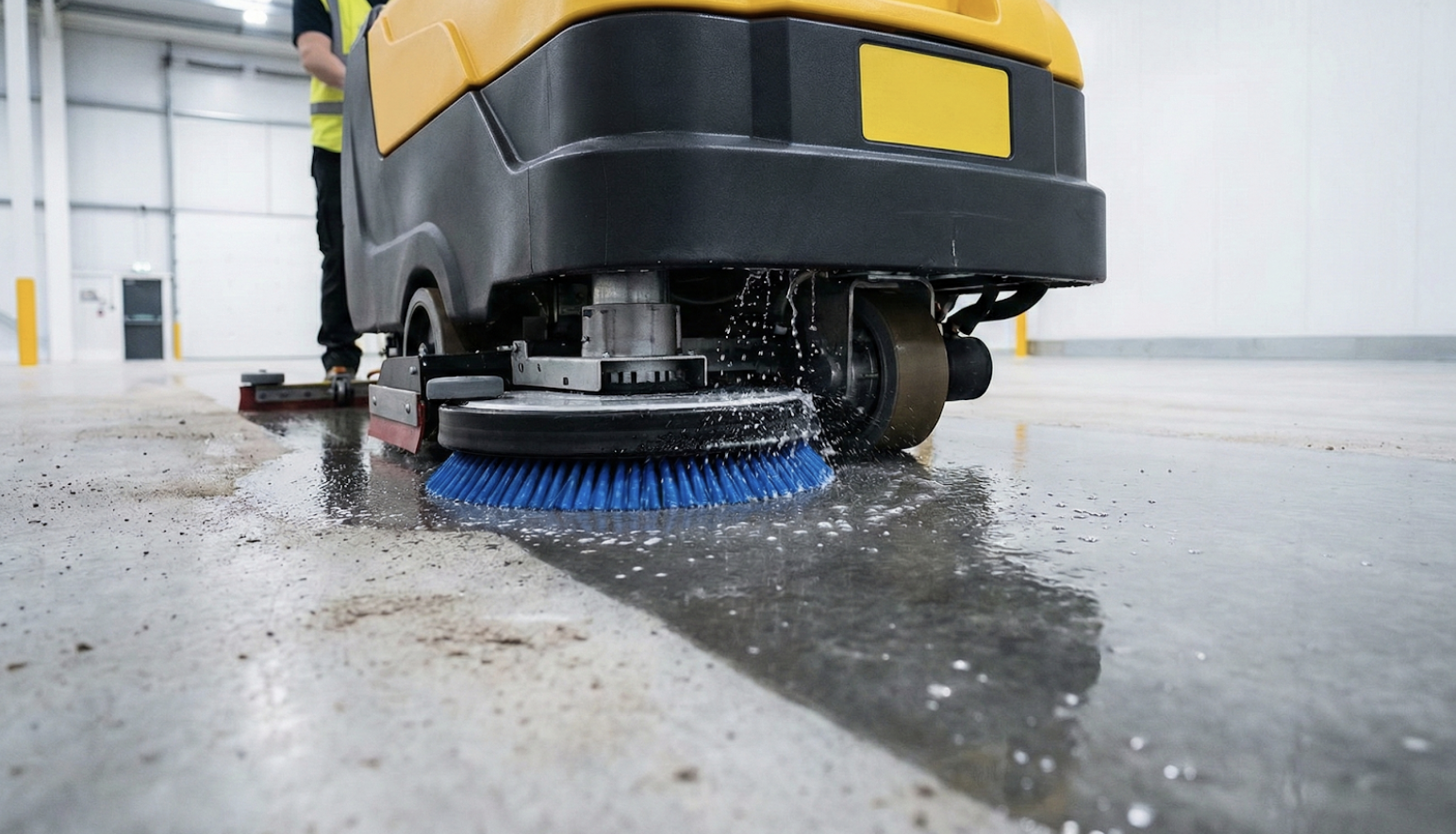
Choosing the right floor scrubber brush material isn’t just about picking what looks good on paper; it’s about safeguarding your floor surfaces while making sure your cleaning game is on point. You want effective scrubbing without leaving your floors worse for wear. If you’ve ever thought that all brushes are created equal, well, spoiler alert—they aren’t. Using the wrong one could mean more harm than help, especially when you’re dealing with a variety of surfaces in a real-world business setting. We’ve seen it firsthand—one of our clients learned this the hard way, and trust me, you want to avoid that headache.
Understanding Floor Scrubber Brushes
What is a Floor Scrubber Brush?
Here’s the scoop—a floor scrubber brush is the backbone of your floor scrubbers. It’s the part that does the heavy lifting, scrubbing off the grime, dirt, and everything in between on your floors. When it comes to commercial or industrial cleaning, these brushes aren’t just tools; they’re your frontline troops. Without the right scrubber brush, those nasty stains don’t stand a chance, but your floors might—well, not so much.
Types of Floor Scrubber Brushes
- Disc Brushes: Think of these as your straightforward, get-the-job-done types. They spin flat and fast, perfect for smooth floors and wide-open spaces.
- Cylindrical Brushes: These guys come at the dirt differently—rolling horizontally, great for uneven floors, and they get into all those tricky cracks and nooks.
- Oscillating Brushes (if applicable): Not as common, but they have their charm. Instead of full spins, they swing back and forth gently, which is fantastic for delicate floor surfaces.
Common Floor Scrubber Brush Materials and Their Uses
You know how they say “different strokes for different folks”? Well, that totally applies here—the material of your scrubber brush makes all the difference. Let’s talk about the contenders, starting from gentle to rough-and-tough.
Natural Fiber Brushes
These brushes are like the soft whispers of the scrubbing world. Made from plant fibers, they’re gentle enough for sensitive surfaces like rubber floor coverings or cushioned floors. Sure, they wear out faster on abrasive surfaces, but if your priority is protecting fragile floors, they’re worth every penny.
Nylon Brushes
If versatility were a person, it’d be nylon brushes. Durable, with scrubbing power that adapts—from soft bristles for tile or stone to firmer ones for those stubborn concrete floors. They’re like the trusty sidekick every floor scrubber machine needs. Need something that can handle a little roughhousing but won’t leave scratches? Nylon brushes got your back.
Polypropylene Brushes
Here’s the budget-friendly, no-nonsense option. Polypropylene brushes deliver decent performance on moderately soiled concrete floors and resilient floors alike. They won’t win any awards for finesse, but if you’re managing day-to-day cleaning and need something reliable, they’re solid.
Carbide Grit Nylon Brushes
Now we’re talking about stepping up the game. These brushes combine the durability of nylon with embedded carbide grit for that extra abrasive punch. Perfect when you meet moderately challenging messes on concrete floors—think of them as the middle ground: tough enough to cut through grime but not too harsh to wreck your surface.
Metallic Wire Brushes
Last but not least, wire brushes are the burly giants in the room. They’re no joke when it comes to heavy-duty scrubbing and stripping tasks. But here’s a heads-up—they’ll scratch up delicate floors if you’re not careful. Use them where the floor’s got battle scars to gut out, like rough concrete or industrial sites. If you don’t want your floor crying foul, steer clear from wire brushes on finished surfaces.
Choosing the Right Brush Material Based on Floor Type
Your floors aren’t all cut from the same cloth, right? So, why treat them that way? The right floor scrubber brush isn’t just about aggressiveness but about compatibility. Here’s the lowdown:
- Smooth Concrete
Medium stiffness nylon brushes or polypropylene brushes work wonders here. They give you that thorough clean without turning your floor into a scratch pad. - Highly Finished Concrete
You want to be gentle—so lean towards softer nylon or natural fiber brushes. A hard hand here and you risk dulling the polished look you’ve worked hard to maintain. - Rough Concrete
Bring in the big guns—cylindrical brushes with carbide grit nylon or even wire brushes if it’s tough enough. These can tackle embedded dirt in uneven floors like a champ. - Stained or Painted Concrete
Soft brushes only, please. Nylon or polypropylene brushes will clean without peeling off your stain or paint job, so your floors stay looking sharp. - Resinous Coated Concrete (e.g., epoxy, urethane)
These floors demand respect. Medium to soft nylon brushes are your go-to, as anything too harsh and you may prematurely wear down that protective coating. - Stone, Marble, Granite, Ceramic
Here, softness is king. Natural fiber or soft nylon brushes make sure you’re cleaning, not scratching those elegant surfaces. - Resilient Floor Coverings (vinyl, linoleum, rubber, cork)
We’re talking delicate here. Natural fibers or gentle nylon brushes clean effectively without causing surface damage—especially important if you’ve got a rubber floor that can’t take too much abuse.
Additional Factors to Consider for Brush Selection
Scrub Deck Type and Brush Compatibility
This one's crucial and often overlooked. Disc decks favor flat, consistent contact—perfect for smooth surfaces. Cylindrical decks excel on uneven floors, fitting the contours where dirt hides. Oscillating decks? They add finesse, ideal when your goal is a gentle yet thorough clean. Mixing the wrong brush with your deck type? Recipe for inefficient cleaning and accelerated brush wear.
Brush Dimensions and Shape
Don’t overlook size and shape. Larger diameters cover more ground but can limit your maneuverability—especially in tight spaces. Bristle height matters, too; taller bristles reach down for deep cleaning but wear faster on rough concrete floors. The trick? Match dimensions thoughtfully to your specific cleaning scenario.
Brush Pressure and Speed Settings
This balance often feels like tightrope walking. Crank up pressure and speed for stubborn grime; pull back to protect softer floors. It's not one-size-fits-all. Often, dialing in settings for your specific floors will save you from costly mistakes while maintaining scrubber efficacy.
Brush Maintenance Tips
- Listen, nobody loves maintenance, but if you want those scrubbing brushes to last and perform, you've got to play caretaker:
- Clean your brushes regularly. Dirt and debris sticking around only dull their effectiveness.
- Inspect often. Look for uneven wear or bruised bristles.
- Rotate brushes to avoid lopsided wear patterns.
- Replace when bristles become too short or wear indicators warn you. It’s tempting to squeeze every last use out, but don’t—underperforming brushes mean sloppy cleaning.
Testing and Spot Cleaning
Here’s a nugget of wisdom we always share: never just dive in blindly. Try your new scrubber brush on a small, out-of-the-way spot first. This little test run can save you from major headaches down the line, proving the brush won’t harm your floors and will truly clean as promised.
Choosing the Perfect Floor Scrubber Brush
So, what’s the takeaway here? Matching your floor scrubber brush material to the type and condition of your floors isn’t just smart; it’s essential. With thoughtful selection, you protect your investments—both your floors and your floor scrubber machines—while achieving spot-on deep cleaning results. And yes, brush maintenance isn’t glamorous, but it’s what keeps the wheels turning smoothly. Stick with best practices, trust your instincts, and your floors will thank you. After all, good cleaning isn’t magic—it’s a craft, and you’re the artisan.