
Why Does My Floor Buffer Leave Swirl Marks?
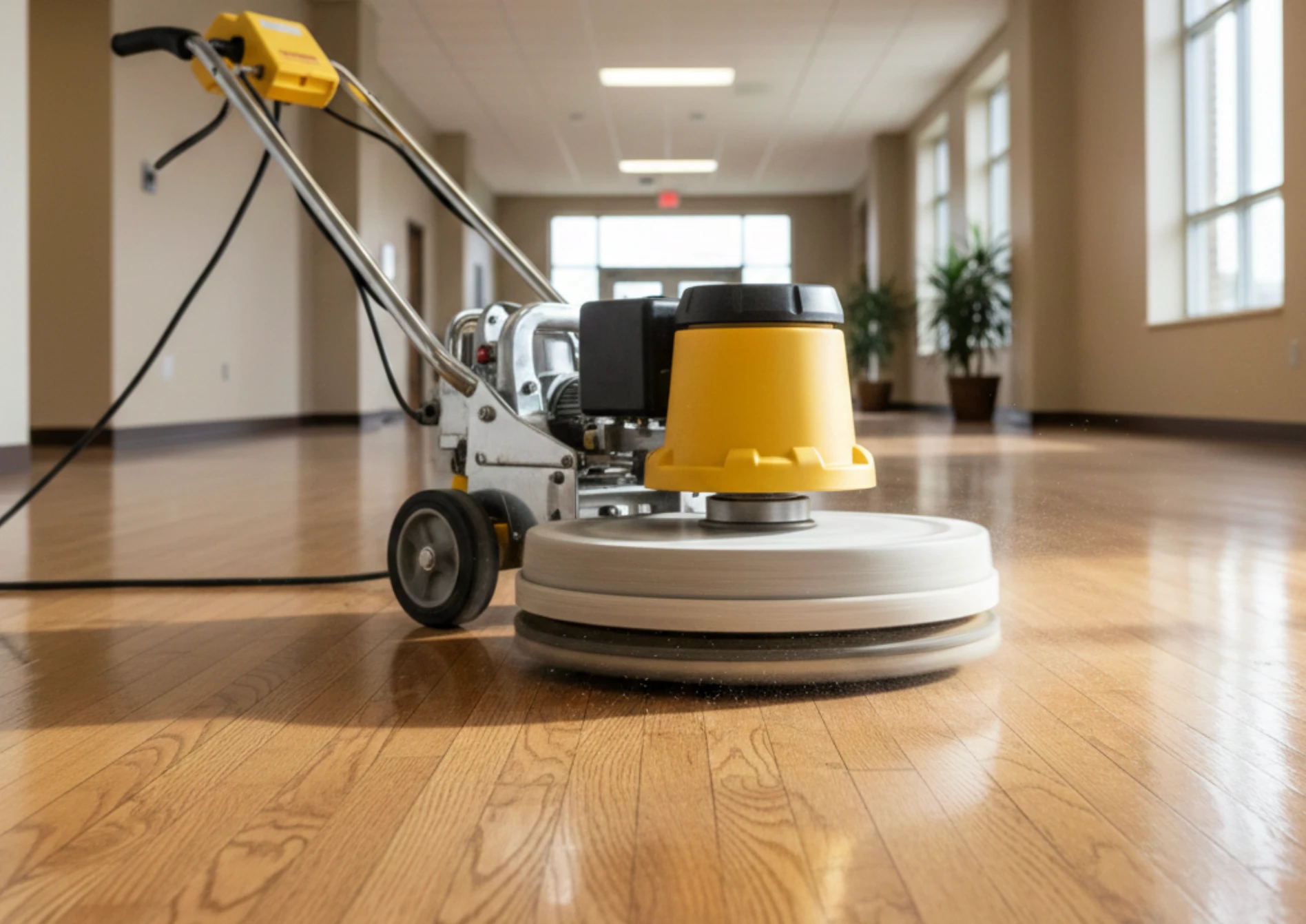
Swirl marks on your floor can be frustrating to deal with, especially when you've invested time and effort into buffing it to a shine. These marks may seem like minor imperfections, but they are significant because they affect the overall appearance and longevity of your flooring. Achieving a swirl-free finish is essential not only for aesthetic reasons but also for simplifying maintenance and preserving the floor's surface. Whether you're working with hardwood floor surfaces or other materials, understanding the cause and prevention of swirl marks can help you maintain a flawless look every time you buff.
What Are Swirl Marks?
Swirl marks are circular scratches or patterns that appear on the surface of your floor after using a floor buffer or polishing equipment. These marks result from abrasive action that doesn't distribute evenly or from contaminants trapped under abrasive pads. Although usually subtle at first, swirl marks can become more pronounced over time, drawing attention to imperfections and reducing the floor's visual appeal.
Common Causes of Swirl Marks from Floor Buffers
Abrasive Grit and Pads
One primary cause of swirl marks is the use of abrasive grit or pads that are too aggressive or damaged. Using an abrasive grit not meant for the specific floor or finish can create scratches instead of polishing the surface to a smooth gloss. Damaged or worn-out pads can also contribute to uneven abrasion, leading to swirl marks. Always ensure the abrasive materials are appropriate for your floor type and are in good condition before starting.
Improper Buffering Technique
How you handle the buffer significantly impacts the outcome. Buffing too fast generates heat and friction, which can damage the floor or finish. Inconsistent overlapping—where some areas receive more passes than others—can cause uneven wear, leading to visible swirls. Applying too much pressure during buffing can also leave marks that are difficult to remove, making it essential to use a light, steady touch.
Equipment Issues
Problems with the buffer itself often contribute to swirl marks. Machines that are unbalanced or have damaged drive blocks or pads create uneven motion or pressure on the floor surface. Using incorrect buffer speeds—either too fast or too slow—also increases the chance of leaving swirl marks. Regular equipment inspection and maintenance are critical to ensuring smooth operation.
Floor and Finish Conditions
Buffing over floors that are not flat or have imperfections can result in swirl marks. Similarly, buffing a finish that is not fully cured or dried may cause damage or lifting of the sealer coat, creating swirls. Additionally, buffing a dirty floor that has debris or grit on the surface can grind those particles into the finish, leading to scratches and marks.
Contaminants Underneath Buffing Pads
Dust, dirt, or debris caught underneath buffing pads or screens cause uneven abrasion and visible swirls. These contaminants act like sandpaper grit in unwanted areas and disrupt the smooth finish you want to achieve. Cleaning pads thoroughly and vacuuming the whole floor before buffing are essential steps to avoid this issue.
How to Prevent Swirl Marks When Using a Floor Buffer
Choose the Right Grit and Pads
Selecting the appropriate abrasive grit tailored to your floor type and finish plays a vital role in avoiding swirl marks. For hardwood floors, using too coarse a grit can result in improper sanding and more swirls, while too fine a grit may not adequately smooth the surface. Always ensure pads are clean, undamaged, and suitable for the task.
Prepare the Floor Properly
Before buffing, clean the entire floor thoroughly. Vacuum the whole floor area to remove dust and debris to prevent contaminants from ending up under the buffing pads. Proper preparation minimizes the risk of swirl marks and ensures a smoother finish.
Use Correct Buffering Technique
- Buff with consistent, purposeful motion.
- Overlap passes properly to avoid unevenness.
- Keep buffer speed moderate and avoid excessive pressure.
Maintain Your Equipment
Regularly check your buffer for balanced operation to avoid vibration that can cause marks. Replace worn pads frequently and use quality drive blocks to ensure smooth abrasion. Proper maintenance supports consistent results and prolongs the life of your equipment.
Consider Floor Surface and Finish
Make sure the floor surface is flat, smooth, and free of defects before buffing. If you’ve recently applied a finish like Bona Traffic HD or a sealer coat, allow it to cure fully before starting buffing or sanding steps like final grit or final screening. Buffing too soon can damage finishes and cause swirl marks.
Dealing with Existing Swirl Marks
If you notice swirl marks after buffing, assess the severity first. Minor marks may be minimized by a hand sand or a light buff with an appropriate fine pad. For deeper or more widespread swirls, screening the whole floor with the correct grit or a final screening step can restore smoothness. In some cases, refinishing the surface by sanding back to bare wood and applying a new finish, possibly with water popping to open the grain before applying stain like a darker stain on Brazilian cherry, may be necessary to fully eliminate swirls.
Expert Tips for Professionals
- Using vacuum assist with buffers to remove dust and debris during buffing, preventing contaminants from causing swirls.
- Final preparation using orbital sanders before buffing can achieve a more uniform surface and reduce swirls.
- Water popping technique is a valuable step before staining, helping raise the grain for a deeper, more even color.
- Stay updated with new abrasive materials and technology to avoid causing more swirls and achieve the same result more efficiently.
Ensure Flawless Buffing Results Every Time
Understanding why does my floor buffer leave swirl marks is key to avoiding this common problem. By selecting the right abrasive grit and pads, preparing the floor properly, using correct buffering techniques, maintaining your equipment, and considering the floor surface and finish conditions, you can achieve a swirl-free, professional-looking floor. Whether you are maintaining hardwood floors or working with bare wood needing stain application, applying these practices will help ensure flawless results. Share knowledge, practice care, and your floors will shine with fewer swirls and greater durability for years to come.
In the end, achieving a swirl-free floor finish goes beyond just making your hardwood or commercial floor look good—it’s about preserving the longevity, safety, and professionalism of your space. With the right floor buffer, proper technique, and diligent maintenance, your floors can maintain their shine and durability without the frustration of swirl marks. That’s where we come in. At PS Janitorial, we provide a wide selection of top-quality floor buffers—both brand new and refurbished—designed to give you the results you want without overspending. Investing in the right equipment and knowledge isn’t merely a choice; it’s essential for flawless floor care. So why compromise when a well-maintained buffer, the correct pads, and expert guidance from PS Janitorial can transform your floor care routine? After all, a perfectly buffed floor is often the understated foundation of a well-kept, professional environment.