
Why Your Floors Are Sticky After Scrubbing
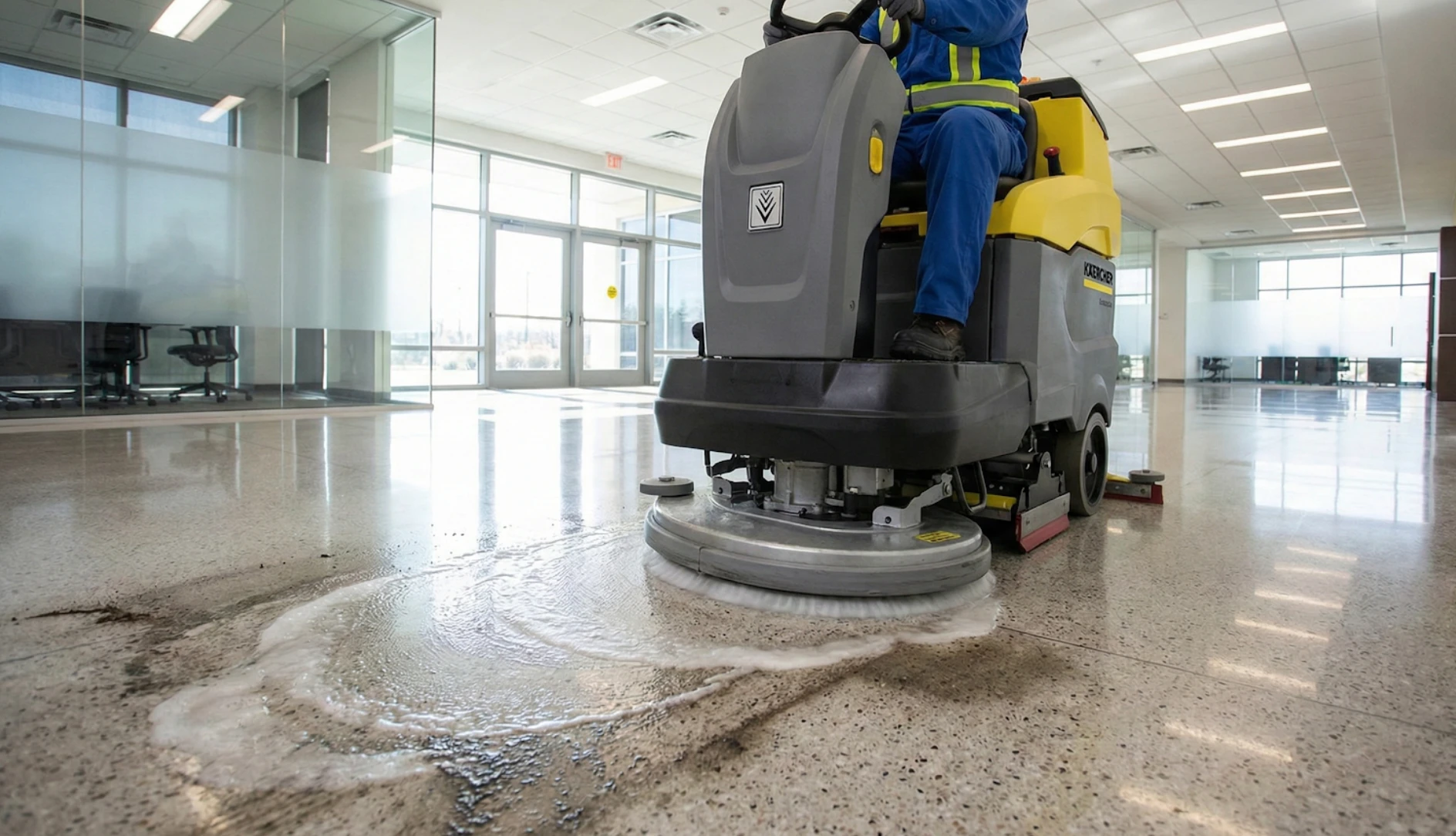
Sticky floors after scrubbing are nobody’s idea of a clean home or business. It’s one of those pesky issues that can make even the best cleaning efforts feel like a waste of time. You know the feeling—walking across a floor that should be gleaming but instead leaves a tacky trail behind you. Not exactly the impression you want to leave, right? That’s why it’s so important we get to the bottom of this problem and sort it out properly. Because sticky floors don’t just look bad; they trap dirt, invite grime, and can even become a slip hazard—none of which anyone wants on their watch.
Why Are My Floors Sticky After Scrubbing?
1. Incorrect Dilution of Cleaning Chemicals
First off, let’s talk chemical dilution. It sounds straightforward, but it’s a stumbling block we see all the time. Pouring in too much cleaning solution thinking "more is better" is a classic mistake. Too much cleaning solution can leave a gummy residue that feels like glue underfoot. On the flip side, using too little means you’re not really cleaning at all—just moving mess around. The trick? Always follow the manufacturer’s dilution recommendations to a T. Trust us, this small attention to detail does wonders in keeping those sticky hardwood floors at bay.
2. Use of Alkaline or Incompatible Cleaners
Now, here’s where things get a little trickier. Some cleaning solutions, especially alkaline ones or those with a pH that doesn’t gel with your floor type, can leave a sticky film that just won’t quit. Hardwood floors are especially sensitive—using the wrong cleaner there is like wearing white shoes in a mud puddle. You might think you're giving your floors a deep clean, but the reality? You’ve just invited sticky residue to crash the party. Our advice? Stick with pH-neutral or floor-safe cleaners. They’re gentle, effective, and will keep your floors from feeling like a bad deal.
3. Mopping with Dirty Water or Mop
Here’s another curveball: using dirty mop water or a dirty mop. Makes sense, right? If your mop bucket is filled with dirty water, you’re basically redepositing grime over your hard work. A dirty mop or worn mop pads hold onto dirt and grime, spreading it around instead of cleaning it up. For everyday cleaning, a microfiber mop works wonders, especially when paired with frequent water changes. Don't let your mop be the villain in your cleaning story.
4. Skipping the Final Rinse Step
Ever rushed through cleaning, skipping that final rinse? Boy, that’s a shortcut to sticky floors. The final rinse with clean water is your unsung hero—it washes away leftover cleaning chemicals and dissolved dirt, leaving your floors truly clean. Without it, you’re left with sticky residue that just pulls in more dirt, making your fresh-cleaned floors the perfect magnet for mess. Don’t skip it. Seriously.
5. Residue From Overuse of Cleaning Solutions
Some of our clients are guilty of “too much cleaning solution” syndrome. It’s understandable—if a little is good, surely a lot is better. Not quite. Overusing soaps and detergents creates a sticky film that layers up, especially in high-traffic business areas. This buildup makes floors sticky after mopping and harder to clean over time. The goal isn’t to drown your floors in suds, but to clean smartly. One of the subtle arts in janitorial care.
6. Floor Finish or Surface Damage
Sometimes, the problem isn’t what you’re putting on the floor but what’s already there. Damaged or worn floor finishes, especially on hardwood floors, can become tacky or sticky. Think of it like old varnish peeling or degrading—it grabs at dirt and feels unpleasant underfoot. In these situations, a deep clean might not cut it; you might need a professional refinish or protective coat to get your floors back to their smooth, non-sticky glory.
Common Mistakes That Cause Sticky Floors
- Not following product dilution guidelines properly (because who really measures, right?)
- Using harsh or inappropriate cleaners that don’t suit your floor type
- Reusing mop water without changing it frequently enough (a rookie error that’s easy to avoid)
- Failing to rinse the floor after scrubbing (skimping on that final rinse costs you)
- Using dirty mop heads or mop pads repeatedly (they’re catching and spreading dirt, not cleaning it)
How to Prevent Sticky Floors After Scrubbing
1. Follow Manufacturer’s Dilution Recommendations
You might think it’s nitpicking, but precise dilution is a game-changer—always measure and dilute cleaning chemicals exactly as the label says. We’ve seen businesses save time, money, and headaches by just sticking to this simple step. Remember, the difference between a clean floor and a floor sticky is often just a few ounces too much cleaning solution.
2. Use pH-Neutral or Floor-Safe Cleaners
For routine maintenance, pH-neutral cleaners are your best friends. They clean effectively, protect floor finishes, and steer clear of the sticky residue trap. Hardwood floors, in particular, benefit greatly from such mild cleaners—they keep the surface happy without risk of damage.
3. Implement a Two-Bucket System
Now, let’s talk about this old janitorial chestnut: the two-bucket system. One bucket for your cleaning solution, one for rinse water—this approach keeps your mop water fresher, prevents dirty water from redepositing grime, and helps trap dirt more efficiently. It might feel like extra work, but in the long run, it cuts down on sticky floors and repeat cleaning.
4. Always Rinse with Clean Water
Don’t just mop and walk away. Rinsing with clean water is non-negotiable if you want to prevent sticky floors. Think of this step as the final polish. It whisks away leftover cleaning agents and grime and stops sticky residue from settling in. Give your floors this royal treatment every time.
5. Use Clean Mop Heads and Change Water Frequently
You can skip this advice, but your floors won’t thank you. Using clean mop heads or microfiber mops and changing your mop water often keeps dirt from being trapped and spread around. Clean mop pads and fresh mop water are your secret weapons against sticky floors that just won't quit.
How to Fix Sticky Floors After They Occur
1. Immediate Rinse with Plain Water
Got floors sticky right after cleaning? Don’t panic. Grab a mop and some fresh water and start rinsing immediately. Mop thoroughly, changing water as needed. This step will lift the fresh sticky residue while it’s still soft—before it turns into a stubborn mess.
2. Use Appropriate Pads or Brushes on Floor Machines
For that tougher sticky film that doesn’t budge with water alone, deploy the right tools. Red pads from the floor machine are gentle but effective; if you’re dealing with heavier buildup, blue pads offer more abrasive action but require a careful touch. Better safe than sorry—use the least aggressive method that works to avoid damaging your floors.
3. Use a Floor Stripper or Residue Remover if Needed
If your floors stay sticky after mopping and scrubbing programs, a dedicated floor stripper or residue remover might be your savior. This is for those times when buildup layers have gotten out of hand. Just remember: these chemicals demand respect and adherence to instructions. Follow up with a floor finish to protect your hard-earned clean surface.
Tips for Choosing the Right Floor Care Equipment
Let's face it, the right equipment makes a world of difference. Whether you’re a busy office, a retail store, or managing a large facility, smart janitorial gear like floor buffers and scrubbers from PS Janitorial can streamline your cleaning process and keep sticky floors where they belong—nowhere near your feet. And if you prefer something quick and efficient, steam mops and microfiber mops can be lifesavers. They trap dirt like a pro and minimize sticky residue, making your cleaning job that much easier and more effective.
Say Goodbye to Sticky Floors
To wrap it up, sticky floors usually boil down to familiar pitfalls: neglecting dilution instructions, using the wrong cleaner, dirty mop water, and skipping that all-important final rinse. If you stay sharp on these fronts—using proper cleaners, rinsing thoroughly, and keeping your mop bucket fresh—you’ll be well on your way to clean sticky floors no more. And when you want to kick your floor care up a notch, remember PS Janitorial is here to help with expert advice and reliable equipment. After all, we all deserve floors that shine without any sticky surprises lurking beneath.