How Carpet Extractors Work and Why They Outperform Regular Vacuuming
What Is a Carpet Extractor?
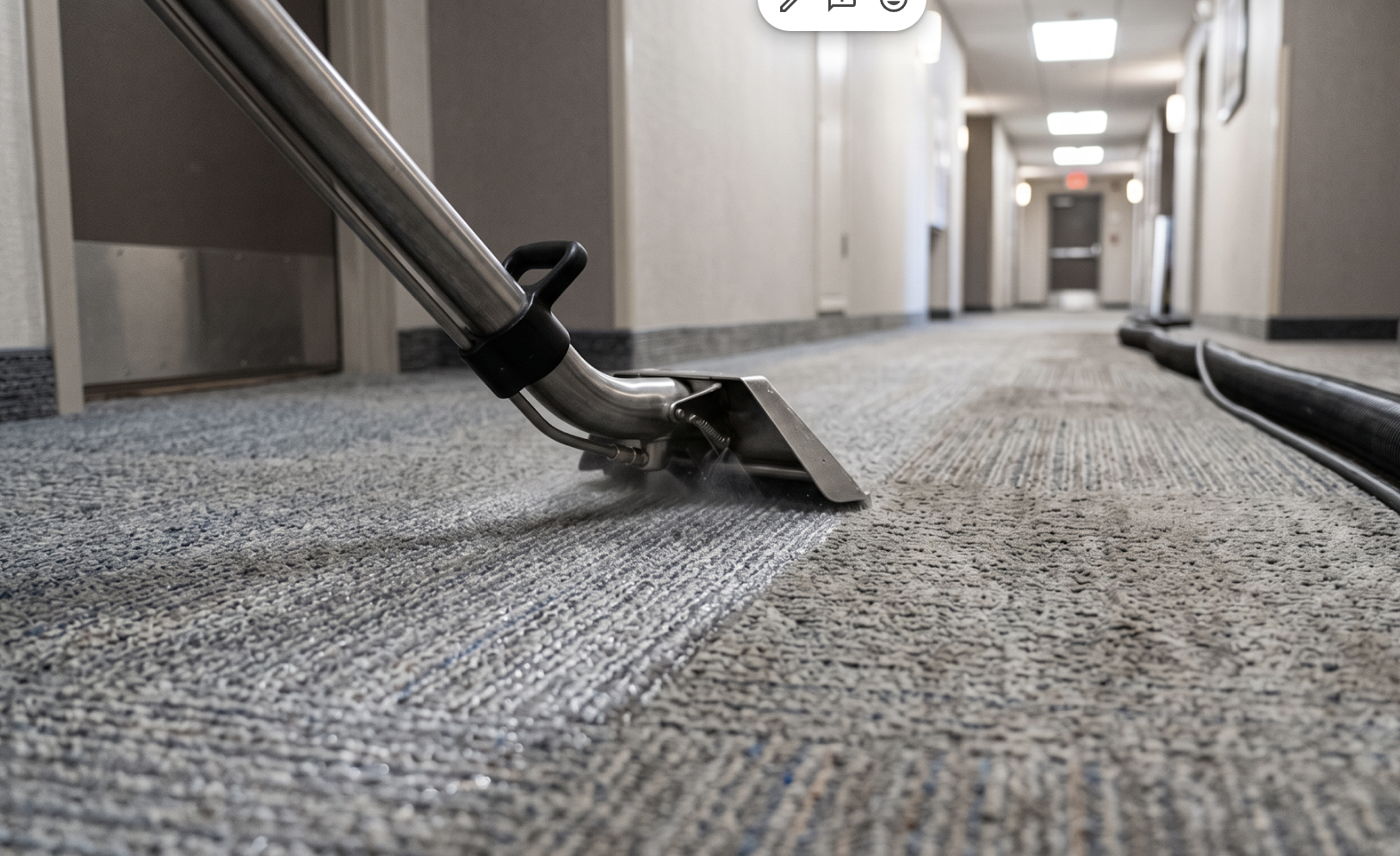
A carpet extractor is a piece of equipment that sprays water and cleaning solution deep into carpet fibers, then uses strong suction to pull that solution back out along with the dirt, oils, and grime it loosened along the way. This is fundamentally different from a vacuum, which only moves air across the surface of your carpet and picks up loose debris sitting on top. If you have ever run a vacuum over a carpet and still noticed dullness, odors, or stains that will not lift, that is a sign the problem lives below the surface, and surface level cleaning simply cannot reach it. A carpet extractor built for commercial carpet care is designed specifically to solve that problem, which is why it has become the standard tool in offices, hotels, medical facilities, schools, and any other space where appearance and hygiene both matter.
Carpet Extractor vs Carpet Shampooer vs Steam Cleaner
These three terms get used interchangeably online, and that confusion leads a lot of buyers to purchase the wrong machine for their needs. A carpet shampooer applies a foaming cleaning chemical and agitates it into the carpet, but it typically leaves much of that solution behind for you to vacuum up later once it dries, which can leave sticky residue if not fully removed. A true steam cleaner uses dry vapor at high heat to sanitize surfaces, and while that is useful for killing germs on hard surfaces or refreshing fabric, it is not built for deep extraction and will not pull embedded dirt out of carpet fibers the way an extractor does. A carpet extractor, sometimes called a carpet cleaner in casual conversation, combines injection and extraction in a single pass, applying solution and immediately pulling the dirty water back out with a vacuum motor. Understanding this distinction early will save you from buying equipment that cannot deliver the deep clean your carpets actually need.
How a Carpet Extractor Works Step by Step
Every carpet extractor, regardless of brand or size, follows roughly the same cleaning cycle. Knowing each stage helps you get better results from the machine you already own, and our full guide on how to use a carpet extractor walks through additional setup tips if you are shopping for commercial carpet extractors for the first time.
Step 1: Pre Vacuum the Carpet
Before any water touches the carpet, you want to remove as much dry soil as possible with a standard vacuum. Skipping this step turns loose dirt into a muddy slurry once it mixes with cleaning solution, which makes the carpet harder to rinse clean and puts unnecessary wear on your machine's pump and hoses. A quick pre vacuum pass sets up everything that follows for better cleaning performance.
Step 2: Apply Cleaning Solution
Next, a cleaning solution formulated for carpet fibers is applied to the area, often with a pretreatment sprayer. Letting it dwell for roughly 10 to 15 minutes gives the chemical time to break down oils, grease, and ground in dirt before extraction begins. Skipping the dwell time is one of the most common reasons people feel disappointed with their results, since the solution never gets the chance to do its job.
Step 3: Inject Water and Solution Into the Carpet
Once the dwell time is up, the machine's pump forces hot or cold water and solution directly into the carpet fibers under pressure. Water pressure in most extractors runs from about 100 to 500 psi, with higher pressure generally giving you more control over how deep the water reaches and how thoroughly it flushes out embedded dirt. This injection stage is what physically forces cleaning solution past the surface and into the pile where trapped soil actually lives.
Step 4: Extract the Dirty Solution
Immediately after injection, the vacuum motor pulls that same water back out of the carpet, now carrying dissolved dirt, oils, and residue with it, into a recovery tank. This is the step that actually removes dirt from your facility rather than simply relocating it around the carpet, which is exactly why extraction outperforms shampooing or plain vacuuming. Recovery tanks typically hold anywhere from 4.5 to 15 gallons depending on the machine, and larger tanks mean less downtime spent walking back to refill or empty water.
Step 5: Dry the Carpet
Water lift, measured in inches, describes how strongly the vacuum motor pulls moisture out of the carpet, and it directly affects how quickly your floors air dry. Stronger water lift combined with good airflow leaves carpet only lightly damp rather than soaked. For high traffic areas or facilities that cannot afford extended downtime, pairing extraction with an air mover speeds up drying considerably and gets the space back in use faster.
Key Components of a Carpet Extractor
Understanding what makes up a new carpet extractor helps you compare machines and features when shopping, since these are the specs that actually determine cleaning performance in the field.
Pump
The pump generates the pressure that injects water and cleaning solution into the carpet. Higher pressure pumps generally push solution deeper into the pile, which matters most in industrial settings with heavy foot traffic and deeply embedded dirt.
Vacuum Motor
Vacuum motors come in two stage and three stage configurations. Two stage motors are common in portable extractors and handle light to moderate use well, while three stage motors deliver stronger suction strength, better water lift, and faster drying, making them a better fit for large areas or frequent commercial use. Airflow, measured in CFM, and water lift together determine how effectively the machine dries carpet as it cleans.
Solution Tank and Recovery Tank
Every extractor keeps clean solution and dirty water in separate tanks so you are never reapplying contaminated water to the carpet. Solution tanks and recovery tanks on commercial extractors typically range from about 1 to 20 gallons. A larger solution tank and larger recovery tank both mean fewer trips to refill or dump water, which adds up to real time savings when cleaning large areas.
Heating Unit
Many extractors include heating elements that warm the cleaning solution before it reaches the carpet. Heated units can bring water up to around 210 degrees Fahrenheit, with some models reaching that temperature in as little as three minutes. Hot water extraction breaks down stubborn stains, grease, and oils far more effectively than cold water, which is why it is the standard choice for restaurants, gyms, and other spaces with heavy soil loads. Not every job needs high heat, but when you are dealing with tough stains, hot water extraction makes a noticeable difference in cleaning results.
Wands, Hoses, and Attachments
Wand width affects how much carpet you cover in a single pass, with wider wands suited to open floors and narrower wands built for tighter spaces. Attachments designed for upholstery and stairs extend the machine's use well beyond flat carpet, letting one piece of equipment handle spot cleaning on furniture, vehicle interiors, and stairwells in addition to standard floors.
Why Carpet Extractors Outperform Regular Vacuuming
The comparison at the center of this article comes down to one core idea: vacuuming and extraction are solving two different problems, and only one of them reaches what is actually damaging your carpet and your indoor air. If your facility also has hard surfaces to maintain, pairing a carpet extractor with the right floor scrubbers rounds out a complete floor care program.
Vacuums Only Remove Surface Debris
A standard vacuum relies entirely on airflow to lift loose particles off the top of the carpet. It has no way to reach oils, allergens, bacteria, or ground in dirt that has worked its way down into the base of the fibers. Over time, that trapped material builds up regardless of how often you vacuum, which is why carpets in busy facilities start looking dull and smelling musty even with a consistent vacuuming schedule.
Extractors Remove What's Trapped Below the Surface
Carpet extraction combines three things a vacuum cannot offer on its own: pressurized water, cleaning solution, and mechanical agitation working together to loosen deeply embedded dirt before pulling it out with strong suction. That combination is what allows extraction to remove most of the dirt and solution in a single pass, restoring both the look and feel of the carpet in a way dry vacuum suction alone never could.
Impact on Carpet Lifespan and Indoor Air Quality
Embedded grit acts like sandpaper on carpet fibers every time someone walks across the floor, gradually wearing down the pile and shortening the carpet's usable life. Regular extraction removes that grit before it can cause lasting damage, which helps maintain fiber integrity and extends carpet life. Extraction also pulls out dust, allergens, and trapped odors that would otherwise recirculate into the air every time the carpet is disturbed, so facilities that extract regularly tend to see real improvements in indoor air quality alongside a better overall appearance rating.
Types of Carpet Extractors
Carpet extractors come in a few distinct categories, and choosing the right type has more to do with the space you are cleaning than any single feature on the spec sheet. Our roundup of the best commercial carpet extractors breaks down specific models if you want to compare options side by side.
Portable Spotters
Portable extractors are compact, easy to carry, and ideal for small areas, spot cleaning spills, and upholstery. They are user friendly and require no special training, which makes them a practical fit for smaller offices or spaces without a dedicated cleaning crew.
Canister or Box and Wand Extractors
These self contained units separate the tank and motor assembly from the wand, giving you more control and reach in tighter spaces, corners, and areas a large walk behind machine simply cannot access. They strike a useful balance between portability and cleaning power.
Self Contained Walk Behind Extractors
Built for cleaning large areas efficiently, self contained walk behind machines house the pump, vacuum motor, and both tanks in a single unit, often with a built in agitating brush that scrubs the carpet as it cleans. Some larger commercial models are even available as ride on units for facilities with extensive square footage, offering greater efficiency and better performance across wide open floors than any portable or wand style machine could match.
When Should You Use a Carpet Extractor?
Carpet extraction is not a daily task, and knowing the right frequency helps you plan cleaning schedules without over cleaning or under cleaning your facility.
Recommended Cleaning Frequency
Most facilities do well with a full extraction once or twice a year as part of routine maintenance. High traffic areas such as entryways, hallways, and lobbies collect dirt faster and generally benefit from more frequent attention, sometimes quarterly, to keep pace with the extra foot traffic they absorb every day.
Signs Your Carpet Needs Extraction
Lingering odors that vacuuming will not resolve, visible traffic lanes along common walking paths, stains that survive routine cleaning, and messes left behind after an event or construction project are all clear signals that it is time for a deeper clean than a vacuum alone can provide.
Choosing the Right Carpet Extractor for Your Facility
With the fundamentals covered, here is how to match a machine to your specific facility rather than buying based on price or size alone.
Facility Size and Square Footage
Small offices and light commercial spaces are usually well served by portable extractors, while larger facilities with significant square footage get more value from a self contained walk behind machine that can cover ground quickly without constant refilling.
Job Frequency
If your team is cleaning carpets several times a month, owning a dedicated machine is typically more affordable upfront and more practical long term than renting equipment on a per job basis. Occasional cleaning needs may not justify that investment, in which case a smaller portable unit, a rental, or one of our refurbished carpet extractors can make more sense.
Motor Type: Two Stage vs Three Stage
Two stage motors handle lighter, less frequent cleaning well and tend to come with a lower price point and simpler parts replacement. Three stage motors offer stronger water lift, faster drying, and better performance for heavy duty or daily commercial use, which makes them the better long term choice for facilities that put their equipment through regular, demanding work.
Tips for Getting the Best Results From a Carpet Extractor
If your machine ever starts underperforming, our guide to troubleshooting common carpet extractor issues covers the most frequent fixes. In the meantime, these habits will help you get consistent results from every job.
- Always vacuum thoroughly before extracting so loose debris does not turn into slurry once solution is applied
- Use the correct dilution ratio for your cleaning solution, since over saturating the carpet only extends drying time without improving cleaning results
- Avoid hot water extraction on natural fibers like wool, which can be damaged by high heat
- Pair extraction with an air mover to speed up drying and prevent mold or mildew from developing in damp carpet
Frequently Asked Questions
How often should carpets be extracted?
Most facilities benefit from full carpet extraction once or twice a year, with high traffic areas needing more frequent attention, sometimes every few months, to keep pace with heavier foot traffic.
What is the difference between a carpet extractor and a steam cleaner?
A carpet extractor injects water and cleaning solution into carpet fibers and immediately vacuums it back out, physically removing embedded dirt in the process. A steam cleaner uses dry vapor for sanitizing and is not designed for deep extraction, so it will not pull trapped dirt out of carpet the way an extractor does.
Can a carpet extractor be used on upholstery?
Yes. Many extractors, especially portable spotters, include upholstery attachments specifically designed for spot cleaning furniture, vehicle interiors, and other fabric surfaces beyond standard carpet.
Do I need a heated extractor?
A heated extractor is not required for every job, but hot water extraction makes a noticeable difference on tough stains, grease, and oils, which is why it is common in restaurants, gyms, and other facilities dealing with heavier soil loads on a regular basis.